How to Drive Away an Entire Swarm of Rats Using Just a Handful of Rice
No Toxic Chemicals. No Harmful Poisons. Just Understanding Behavior.
Rats are among the most adaptable and intelligent animals on the planet. They survive in cities, farms, kitchens, warehouses, and even places humans consider impossible to live. So when a claim appears saying that a simple handful of rice can drive away an entire swarm of rats, it immediately grabs attention.
It sounds almost too easy.
No traps. No poison. No chemicals.
Just rice.
But does it actually work?
The short answer: not in the way most people think.
The long answer reveals something far more interesting—about rat behavior, survival instincts, and why some “folk methods” keep going viral.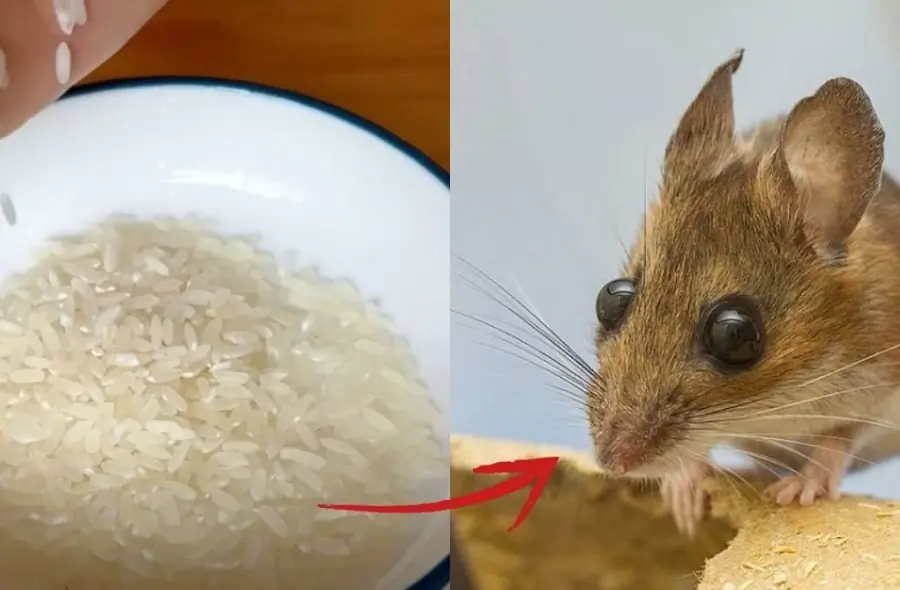
Where Did the “Rice Trick” Come From?
The rice method is often shared online with claims like:
-
Rats eat dry rice.
-
Rice expands in their stomachs.
-
The expansion harms or scares them.
-
As a result, rats leave the area permanently.
This idea has circulated for decades, especially in regions where rice is a staple food. It sounds logical on the surface, but biology does not work that way.
Rats have extremely resilient digestive systems. They routinely consume hard grains, seeds, and dry foods. Their stomach acid and chewing behavior prevent dry rice from expanding in a dangerous way.
So no—rice does not explode inside rats, and it does not kill them.
But the story does not end there.
Why Rice Sometimes Appears to “Work”
Even though rice is not lethal to rats, placing rice can still change rat behavior, which is why some people believe the method works.
Here’s what actually happens:
1. Rats Are Extremely Cautious Eaters
Rats do not blindly eat unfamiliar food. They are known for neophobia—a fear of new things.
When rats encounter:
-
A sudden pile of dry rice
-
In an area where rice is not normally present
-
Without familiar smells
They often avoid it at first.
That avoidance can make it seem like rats are “leaving,” when in reality, they are simply observing from a distance.
2. Rice Disrupts Established Food Patterns
Rats rely on routine. They memorize food sources and return to the same spots repeatedly.
When a new food source suddenly appears:
-
It disrupts their learned pathways.
-
It creates uncertainty.
-
It forces them to reassess the environment.
Some rats may temporarily relocate to safer, more predictable food zones. This can reduce visible rat activity for a short period.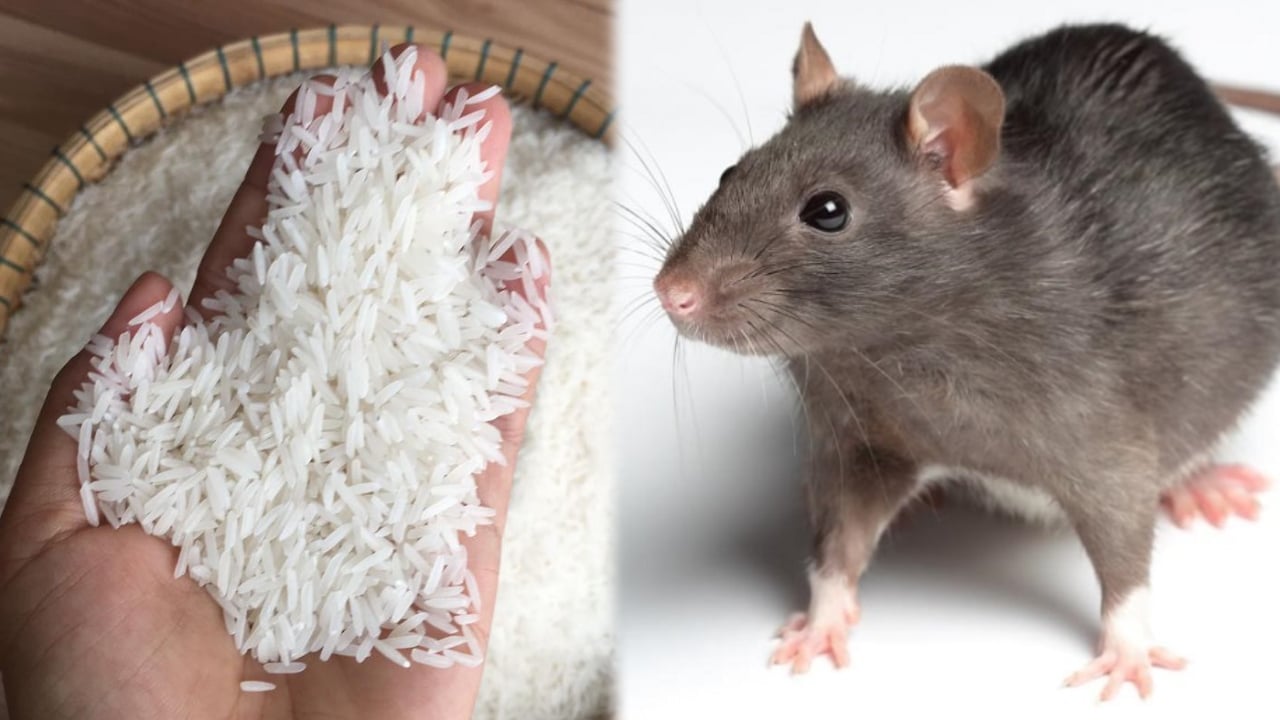
3. Dry Rice Lacks Strong Smell
Rats are guided heavily by scent. Foods that attract them usually have:
-
Strong oils
-
Protein
-
Fermented or sweet smells
Plain dry rice is low-odor and low-reward. Compared to leftovers, trash, pet food, or grain stores, rice is not exciting.
So rats may ignore it—again creating the illusion that rice is “repelling” them.
What Rice Does NOT Do
It is important to be clear about the myths.
Rice does NOT:
-
Kill rats
-
Cause internal swelling
-
Poison them
-
Guarantee permanent removal
-
Solve an infestation on its own
Any claim suggesting otherwise is scientifically incorrect.
Rats that are hungry enough will eventually eat rice if no better options exist.
Why Viral “Natural Hacks” Spread So Fast
Content like this spreads because it hits several emotional triggers:
-
Fear of rats
-
Desire for a simple solution
-
Aversion to poison or cruelty
-
Trust in “natural” methods
But rodents have survived thousands of years alongside humans. They adapt quickly to new threats, new foods, and new environments.
There is no single magic ingredient that scares them forever.
What Actually Works Better Than Rice
If the goal is to drive rats away without toxic chemicals, behavior-based methods are far more effective.
1. Remove Competing Food Sources
Rats stay where food is reliable.
-
Seal trash bins
-
Store grains in airtight containers
-
Clean food residue thoroughly
No food = no reason to stay.
2. Eliminate Shelter
Rats prefer:
-
Dark corners
-
Clutter
-
Hidden gaps
Reducing nesting spaces makes the area uncomfortable.
3. Use Smell-Based Deterrents
Certain smells are genuinely unpleasant to rats, such as:
-
Peppermint oil
-
Ammonia (used carefully)
-
Vinegar in specific locations
These affect their sensitive noses more than rice ever could.
4. Break Their Routes
Rats memorize paths.
-
Blocking entry points
-
Sealing holes
-
Changing layouts
This creates confusion and stress, pushing them to relocate.
So Why Does the Rice Image Keep Going Viral?
Because it represents hope.
Hope that:
-
A simple solution exists
-
No animals need to be harmed
-
No money needs to be spent
-
No professional help is required
And while rice alone is not the solution, the idea behind it—understanding animal behavior instead of relying on poison—is not wrong.
Final Reality Check
A handful of rice will not magically drive away an entire swarm of rats.
But the conversation it sparks is important.
Rats are not defeated by tricks.
They are managed by strategy, consistency, and environmental control.
The real power lies not in rice—but in knowing how rats think, move, and survive.
And once that is understood, they stop feeling unstoppable.