The liver is one of the hardest-working organs in the human body.
Every day, it filters toxins from the blood, processes nutrients, regulates metabolism, and helps maintain overall balance. When the liver is under stress—from poor diet, alcohol, medications, or environmental toxins—liver enzymes can rise, signaling inflammation or damage.
While medical treatment is essential for serious liver conditions, diet plays a crucial supportive role. Certain vegetables contain compounds that help the liver detoxify more efficiently and may support healthier enzyme levels.
Here are five types of vegetables that doctors and nutrition experts often recommend for liver health.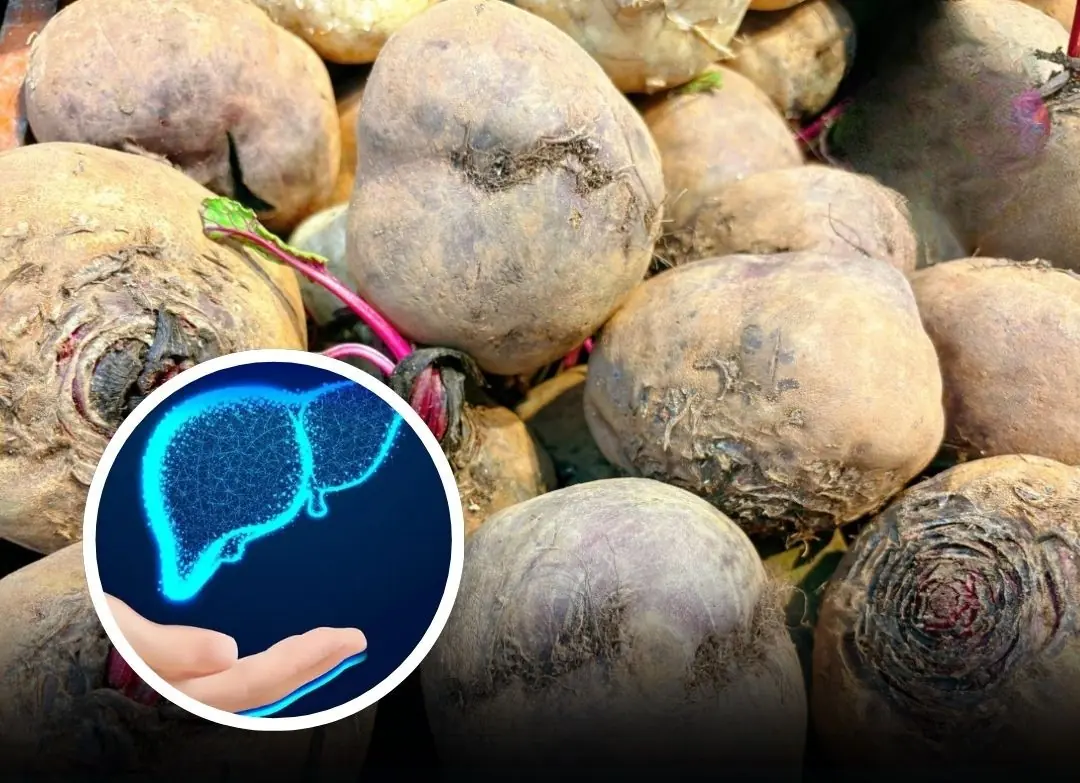
1. Beets
Beets are widely recognized as one of the most liver-friendly vegetables.
They are rich in betalains, natural pigments with strong antioxidant and anti-inflammatory properties. These compounds help protect liver cells from oxidative stress and may assist the liver in flushing out toxins more efficiently.
Beets also support bile production, which is essential for breaking down fats and removing waste products from the body.
Studies suggest that regular beet consumption may help reduce liver inflammation and support healthier liver enzyme levels, especially when combined with a balanced diet.
Best ways to eat them:
-
Steamed or roasted
-
Added to salads
-
Blended into fresh juice (in moderation)
2. Cruciferous Vegetables
Cruciferous vegetables are a powerhouse for liver detoxification.
This group includes:
-
Broccoli
-
Cauliflower
-
Cabbage
-
Brussels sprouts
These vegetables are rich in glucosinolates, compounds that help activate the liver’s natural detox enzymes. They support phase II detoxification, a process that helps the liver convert harmful substances into forms that can be safely excreted.
Regular consumption has been linked to improved liver function and reduced toxin buildup, particularly in people exposed to pollutants or unhealthy diets.
For maximum benefit, lightly steam or sauté them rather than overcooking.
3. Leafy Green Vegetables
Leafy greens are gentle yet powerful allies for liver health.
Vegetables such as:
-
Spinach
-
Kale
-
Swiss chard
-
Arugula
are high in chlorophyll, which helps neutralize toxins and heavy metals before they overload the liver. They also provide magnesium, fiber, and antioxidants that support overall metabolic health.
Leafy greens help reduce fat accumulation in the liver, a key factor in non-alcoholic fatty liver disease.
Including leafy greens daily can help support stable liver enzyme levels over time.
They are easy to add to meals through salads, smoothies, or lightly cooked side dishes.
4. Garlic and Onions
Although often overlooked as vegetables, garlic and onions play a crucial role in liver support.
They contain sulfur-based compounds that stimulate liver enzymes responsible for detoxification. Garlic, in particular, activates enzymes that help flush out toxins and reduce oxidative damage.
These vegetables also contain selenium, a mineral that supports antioxidant activity in the liver.
Even small amounts consumed regularly may help enhance the liver’s ability to cleanse itself, especially when combined with other nutrient-rich foods.
Raw or lightly cooked garlic tends to offer the strongest benefits.
5. Carrots
Carrots are rich in beta-carotene, a powerful antioxidant that the body converts into vitamin A. This nutrient helps protect liver cells from damage caused by toxins and inflammation.
Carrots also support healthy bile flow and digestion, which reduces the liver’s workload. Their fiber content helps remove waste through the digestive tract, preventing toxin buildup.
Consistent carrot intake has been associated with improved liver health and reduced oxidative stress.
They can be eaten raw, cooked, or juiced, making them easy to include in a daily routine.
How Vegetables Support Lower Liver Enzymes
Elevated liver enzymes often indicate inflammation or liver stress. While vegetables are not a cure, they can support the liver in several important ways:
-
Reducing oxidative stress
-
Supporting detoxification pathways
-
Improving fat metabolism
-
Lowering overall inflammation
When combined with reduced alcohol intake, proper hydration, and regular medical monitoring, diet changes can make a meaningful difference.
A Final Reminder
Vegetables alone cannot “detox” the liver overnight.
The liver is already a natural detox organ, but it works best when supported—not overloaded. Eating a variety of nutrient-dense vegetables daily helps create the conditions for healing and balance.
If liver enzymes remain elevated, medical evaluation is essential. However, building meals around liver-friendly vegetables is a simple, accessible step toward better long-term health.
Sometimes, the most powerful support comes not from drastic cleanses—but from consistent, nourishing choices.