If you drink cucumber water every morning, this is what happens to your body
Health 23/05/2026 11:31
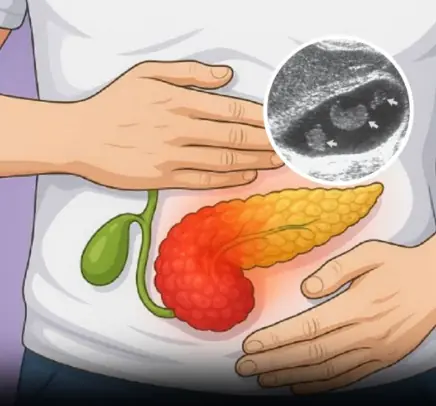
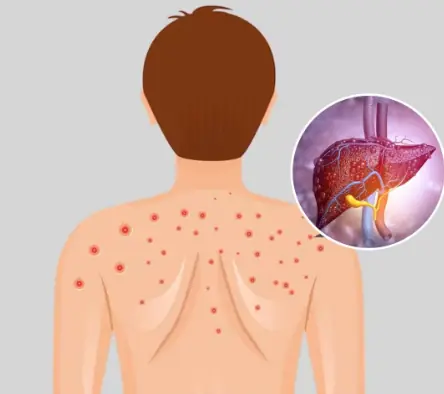
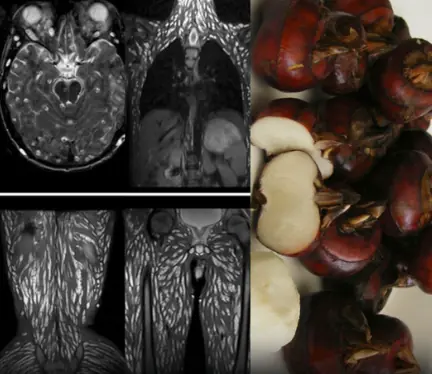
Images like this spread quickly online: a red, winding rash on human skin, microscopic parasites, and a bold warning claiming that some vegetables should “absolutely not be eaten raw” because they can cause poisoning.
While the message may sound alarming, health experts say the reality is more nuanced. Vegetables are essential to a healthy diet, but not all of them are safe to eat raw in every situation. Some require proper preparation or cooking to unlock nutrients and reduce potential health risks.
This is not about fear — it is about food safety and informed choices.

Raw vegetables are often praised for retaining vitamins and enzymes. However, certain vegetables naturally contain compounds that can be irritating, toxic in high amounts, or difficult to digest when uncooked.
In most cases, the risk does not come from occasional exposure, but from repeated consumption, poor handling, or improper preparation.
Cooking, soaking, or fermenting can dramatically reduce these risks.
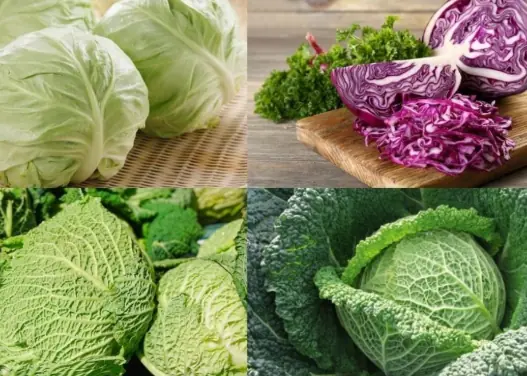
Vegetables such as broccoli, cabbage, kale, and cauliflower belong to the cruciferous family. When eaten raw and in large quantities, they contain compounds called goitrogens, which may interfere with iodine absorption in the body.
For most people, this is not dangerous. However, individuals with thyroid conditions are often advised to moderate raw intake.
Light cooking helps deactivate these compounds while preserving most nutrients.
Key takeaway:
Raw cruciferous vegetables are safe in moderation, but cooking improves digestibility and nutrient absorption.
Raw bamboo shoots contain naturally occurring cyanogenic glycosides, which can release cyanide when consumed.
In regions where bamboo shoots are commonly eaten, they are always boiled, soaked, or fermented before use. Eating them raw can cause nausea, vomiting, dizziness, and in severe cases, poisoning.
This is one vegetable where the warning is absolute.
Key takeaway:
Bamboo shoots must be thoroughly cooked before eating.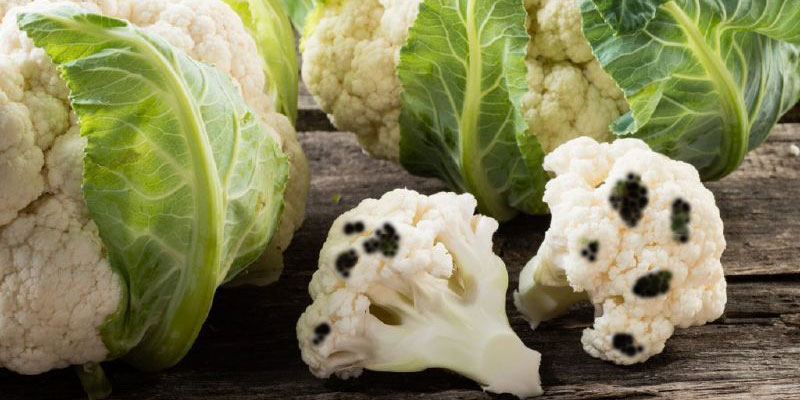
Raw potatoes contain solanine, a natural toxin that protects the plant from pests. Solanine levels increase when potatoes are exposed to light and turn green or begin sprouting.
Eating raw or improperly stored potatoes can cause digestive upset, headaches, and neurological symptoms in extreme cases.
Cooking significantly reduces solanine levels and makes potatoes safe and nutritious.
Key takeaway:
Avoid eating raw potatoes, and never eat green or sprouted ones.
Eggplants, like potatoes, belong to the nightshade family and contain small amounts of solanine. While cooked eggplant is widely consumed and safe, raw eggplant can be bitter and irritating to the digestive system, especially for sensitive individuals.
Symptoms may include stomach discomfort or nausea if eaten raw in large amounts.
Key takeaway:
Eggplant is best enjoyed cooked.
Some viral images associate raw vegetables with parasites or strange skin markings. Health professionals caution that these visuals are often misleading.
Parasites are rarely caused by vegetables themselves, but rather by contaminated water, improper washing, or unsafe food handling.
Thorough washing, peeling when appropriate, and cooking are effective safeguards.
Doctors emphasize that the biggest danger does not come from vegetables, but from:
Poor hygiene during preparation
Contaminated water sources
Cross-contamination with raw meat
Eating unfamiliar plants without proper knowledge
Vegetables remain one of the healthiest food groups when handled correctly.
Contrary to popular belief, cooking does not always reduce nutritional value. In fact, cooking can:
Improve absorption of certain antioxidants
Break down tough fibers for easier digestion
Neutralize harmful compounds
The goal is balance, not extremes.
Instead of avoiding vegetables out of fear, experts advise:
Wash all produce thoroughly
Learn which vegetables require cooking
Rotate raw and cooked vegetables in your diet
Avoid raw consumption of unfamiliar plants
Follow medical advice if you have specific conditions
Health professionals urge the public to be cautious with sensational online claims.
“Food safety is about context,” one nutritionist explains. “Vegetables are not dangerous by default. Misinformation is.”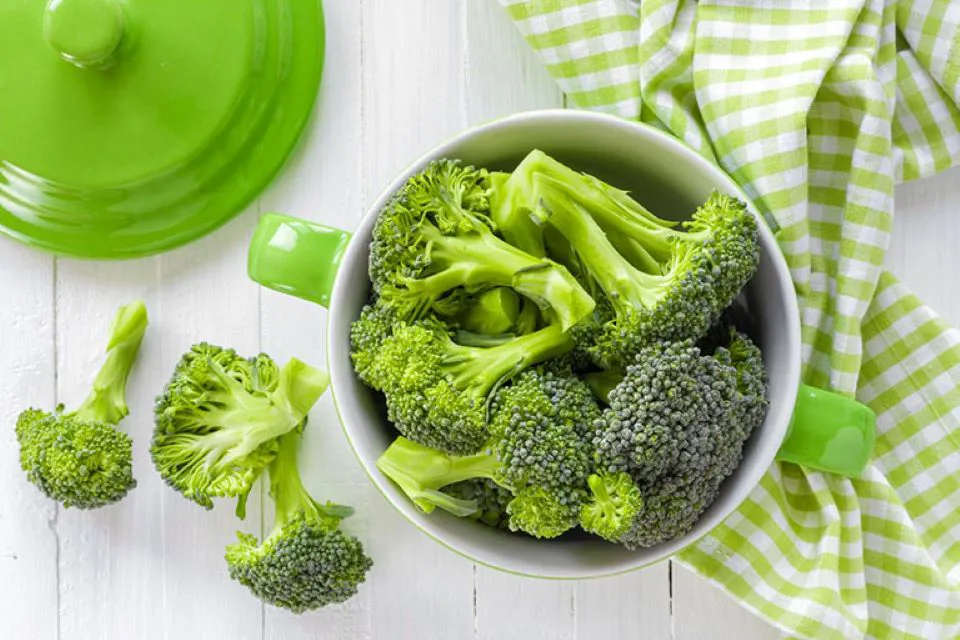
Vegetables are not the enemy.
Fear-based headlines are.
Understanding how and when to eat certain vegetables makes all the difference. With proper preparation, vegetables remain one of the most powerful tools for long-term