The kidneys are among the hardest-working organs in the human body. Every single day, these bean-shaped organs quietly help:
- Filter waste from the blood
- Balance fluids
- Control electrolytes
- Support blood pressure regulation
- Produce important hormones
Despite their critical role, kidney health is often overlooked until serious problems begin to appear. One of the most dangerous things about kidney disease is that it may develop silently over many years without obvious symptoms.
Doctors say certain everyday habits may gradually place stress on the kidneys over time — sometimes without people even realizing it. While occasional unhealthy choices are usually not dangerous, long-term patterns may increase the risk of kidney damage, especially in people already vulnerable because of:
- Diabetes
- High blood pressure
- Obesity
- Family history
The good news is that many kidney-related risks may be reduced through healthier lifestyle habits and regular medical care.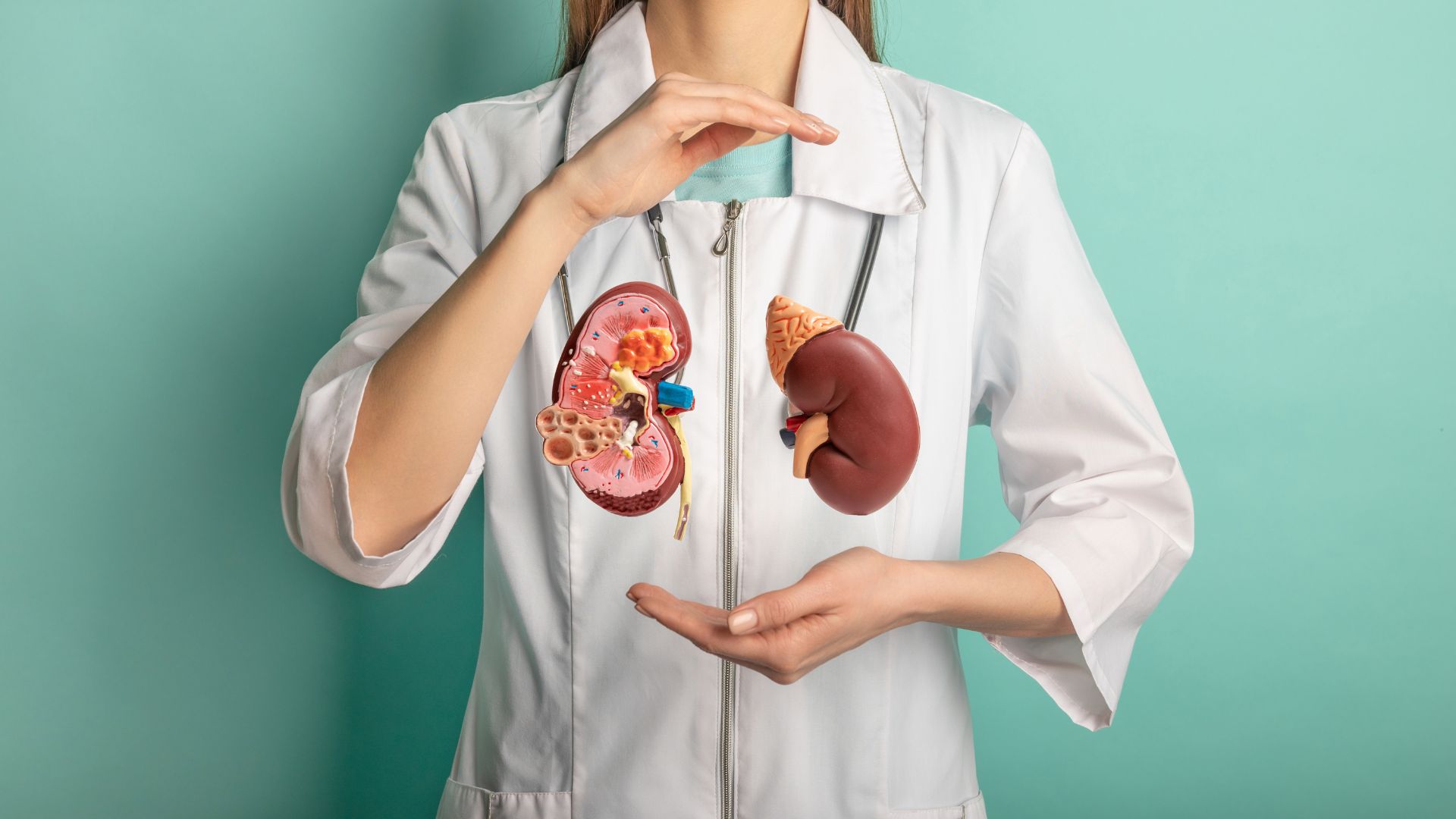
Why Kidney Health Is So Important
The kidneys filter roughly dozens of gallons of blood every day.
They help remove:
- Toxins
- Excess salts
- Waste products
- Extra fluids
through urine.
Healthy kidneys also help regulate:
- Blood pressure
- Bone health
- Red blood cell production
- Mineral balance
When kidney function declines, waste and fluid may build up inside the body, potentially affecting many organs.
1. Not Drinking Enough Water
One of the most common habits that may stress the kidneys is chronic dehydration.
Water helps the kidneys:
- Flush waste
- Maintain fluid balance
- Support normal filtration
When the body becomes dehydrated regularly, the kidneys may work harder.
Possible Risks of Poor Hydration
Insufficient water intake may contribute to:
- Kidney stones
- Concentrated urine
- Urinary tract issues
Hydration needs vary depending on:
- Weather
- Activity level
- Medical conditions
2. Excessive Salt Intake
Too much sodium may increase:
- Blood pressure
- Fluid retention
- Kidney workload
Highly processed foods are often major sources of excess salt, including:
- Instant noodles
- Processed meats
- Chips
- Fast food
- Packaged snacks
Over time, uncontrolled high blood pressure is one of the leading causes of kidney damage worldwide.
3. Overusing Pain Medications
Frequent overuse of certain painkillers may potentially harm the kidneys, especially when used long-term without medical supervision.
Some medications may reduce blood flow to the kidneys.
Risk may increase when combined with:
- Dehydration
- Existing kidney disease
- Advanced age
People should always follow proper dosing instructions and consult healthcare professionals when using medications regularly.
4. Ignoring High Blood Pressure
High blood pressure and kidney disease are closely connected.
Uncontrolled hypertension may gradually damage delicate blood vessels inside the kidneys.
At the same time, kidney disease may worsen blood pressure problems.
Because high blood pressure often has no symptoms, regular monitoring is important.
5. Consuming Too Many Sugary Drinks
Excessive intake of sugary beverages may contribute to:
- Obesity
- Diabetes
- Metabolic problems
These conditions are major risk factors for kidney disease.
Soft drinks and heavily sweetened beverages may also contain high amounts of:
- Sugar
- Sodium
- Artificial additives
Water is generally one of the healthiest beverage choices for kidney support.
6. Smoking
Smoking affects circulation throughout the body, including blood flow to the kidneys.
It may contribute to:
- Blood vessel damage
- High blood pressure
- Increased kidney disease risk
Smoking also increases the risk of many other serious health conditions.
7. Lack of Physical Activity
A sedentary lifestyle may increase risk for:
- Obesity
- Diabetes
- High blood pressure
all of which may affect kidney health over time.
Regular movement supports:
- Circulation
- Heart health
- Blood sugar balance
Even moderate exercise may provide long-term health benefits.
8. Holding Urine Too Long
Frequently delaying urination may increase pressure in the urinary system and may sometimes contribute to:
- Bladder problems
- Urinary tract infections
Although occasional delays are usually harmless, making it a constant habit may not be ideal.
9. Poor Blood Sugar Control
Diabetes is one of the leading causes of kidney disease.
Chronically elevated blood sugar may damage tiny blood vessels inside the kidneys over time.
Proper diabetes management is extremely important for protecting kidney function.
10. Ignoring Early Symptoms
Many people dismiss early warning signs such as:
- Swelling
- Foamy urine
- Fatigue
- Frequent urination
- High blood pressure
because symptoms may seem mild at first.
Unfortunately, kidney disease often progresses quietly.
Kidney Disease Often Has No Early Symptoms
This is one reason regular health screenings matter so much.
Blood tests and urine tests may sometimes detect problems before severe symptoms develop.
People with higher risk factors may especially benefit from routine monitoring.
Healthy Habits That Support Kidney Function
Doctors commonly recommend:
- Staying hydrated
- Limiting excess salt
- Managing blood pressure
- Exercising regularly
- Avoiding smoking
- Controlling blood sugar
- Eating balanced meals
Small long-term habits often make a major difference.
Foods That May Support Kidney Health
A balanced diet rich in:
- Fruits
- Vegetables
- Whole grains
- Healthy fats
may support overall wellness.
However, people with existing kidney disease may need individualized dietary guidance because certain nutrients sometimes require restriction.
Why Prevention Matters
Advanced kidney disease may eventually require:
- Dialysis
- Intensive treatment
- Transplantation
Protecting kidney health early is often easier than treating severe damage later.
Most Kidney Damage Develops Gradually
Kidney problems rarely appear overnight.
In many cases, years of:
- High blood pressure
- Diabetes
- Poor lifestyle habits
gradually damage kidney tissue.
This is why consistency matters more than perfection.
When Should Someone See a Doctor?
Medical evaluation may be important if symptoms include:
- Blood in urine
- Persistent swelling
- Severe fatigue
- Ongoing high blood pressure
- Major changes in urination
Early evaluation may help slow disease progression.
Final Thoughts
The kidneys quietly protect the body every day by filtering waste, balancing fluids, and supporting many essential functions. However, habits such as dehydration, excessive salt intake, smoking, poor blood sugar control, inactivity, and overusing certain medications may gradually place stress on these vital organs over time.
Doctors emphasize that healthy daily routines, preventive care, and regular monitoring remain some of the most effective ways to protect kidney function and support long-term wellness.