Coconut water is widely praised as a refreshing and natural drink that contains important electrolytes and hydration-supporting minerals. Over the years, it has become especially popular among people looking for healthier alternatives to:
- Soda
- Sugary juices
- Artificial sports drinks
Many people enjoy coconut water because it is:
- Naturally refreshing
- Low in fat
- Rich in potassium
- Lightly sweet
In moderate amounts, coconut water may fit well into a balanced diet. However, doctors and nutrition experts say that excessive consumption may not always be ideal for everyone. Like many foods and beverages, too much coconut water may sometimes create unwanted effects — especially in people with certain medical conditions.
The key issue is moderation.
What Is Coconut Water?
Coconut water is the clear liquid naturally found inside young green coconuts.
It contains:
- Water
- Natural sugars
- Electrolytes
- Potassium
- Magnesium
- Sodium
Because of its electrolyte content, many people use coconut water after:
- Exercise
- Hot weather exposure
- Sweating
to help support hydration.

Why Coconut Water Became So Popular
Coconut water gained popularity because it is often marketed as:
- A natural hydration drink
- A low-calorie beverage
- A source of electrolytes
Compared to many sugary drinks, coconut water may indeed contain:
- Less processed sugar
- Fewer artificial ingredients
This makes it attractive to health-conscious consumers.
However, “natural” does not always mean unlimited consumption is harmless.
1. Too Much Potassium May Become a Problem
One of the biggest concerns doctors mention is potassium overload.
Coconut water naturally contains significant amounts of potassium, an important mineral involved in:
- Muscle function
- Heart rhythm
- Nerve signaling
While potassium is essential, excessive intake may sometimes become dangerous — especially for individuals with:
- Kidney disease
- Heart problems
- Certain medication use
Why the Kidneys Matter
Healthy kidneys help regulate potassium balance.
When kidney function declines, excess potassium may build up in the bloodstream, potentially affecting the heart.
2. Excessive Coconut Water May Affect Blood Pressure
Coconut water is sometimes associated with blood pressure support because potassium may help balance sodium levels.
However, drinking very large amounts may potentially contribute to:
- Excessively low blood pressure
- Dizziness
- Weakness
especially in people already taking blood pressure medications.
3. Some Coconut Water Products Contain Added Sugar
Not all coconut water products are the same.
Packaged versions may contain:
- Added sugar
- Flavoring
- Preservatives
Excess sugar intake may contribute to:
- Weight gain
- Blood sugar spikes
- Metabolic problems
Reading labels is important when purchasing commercial products.
4. Digestive Discomfort May Occur
Some individuals may experience:
- Bloating
- Stomach discomfort
- Diarrhea
after consuming excessive amounts of coconut water.
This may happen because of:
- Natural sugars
- Electrolyte concentration
- Individual digestive sensitivity
Moderation often helps prevent these issues.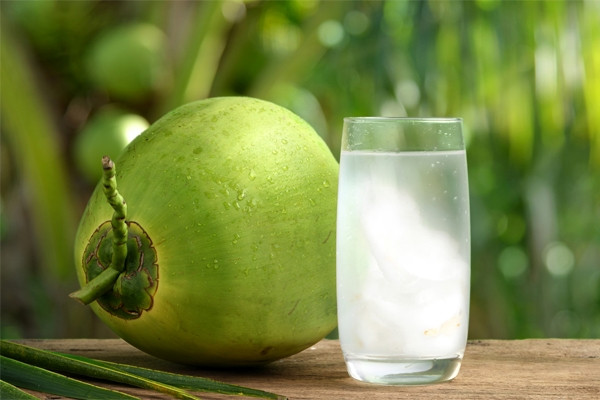
5. People With Kidney Disease Should Be Especially Careful
Doctors often advise people with kidney disease to monitor potassium intake carefully.
Because coconut water can contain large amounts of potassium, excessive consumption may not be appropriate for everyone with impaired kidney function.
Medical guidance is especially important in these situations.
6. Coconut Water Is Not a Miracle Cure
Social media sometimes exaggerates coconut water as a solution for:
- Detoxification
- Weight loss
- Blood pressure cures
- Instant hydration miracles
In reality, no single beverage can replace:
- Balanced nutrition
- Proper medical care
- Healthy lifestyle habits
Coconut water may support hydration, but it is not a magical health solution.
Hydration Still Matters
Despite the warnings about excessive intake, hydration remains extremely important.
Coconut water may still be a refreshing option in moderation, especially:
- After exercise
- During hot weather
- As an alternative to sugary beverages
The key is balance rather than overconsumption.
Who Should Be More Careful?
Doctors say extra caution may be needed for people with:
- Kidney disease
- Severe diabetes
- Blood pressure disorders
- Heart conditions
especially if consuming large amounts regularly.
Moderation Is the Key to Healthy Nutrition
Many healthy foods may become problematic when consumed excessively.
This applies not only to coconut water but also to:
- Salt
- Sugar
- Supplements
- Certain vitamins
Balance is one of the most important principles in nutrition.
Healthier Ways to Enjoy Coconut Water
People who enjoy coconut water may consider:
- Choosing unsweetened varieties
- Drinking moderate portions
- Combining it with balanced meals
- Avoiding excessive daily intake
Fresh coconut water may also contain fewer additives than some packaged versions.
What Experts Generally Recommend
For most healthy people, moderate coconut water consumption is unlikely to cause problems.
Nutrition experts typically encourage:
- Variety in beverages
- Balanced hydration
- Awareness of portion sizes
Water itself remains one of the best hydration choices overall.
Why Internet Health Trends Can Be Misleading
Online wellness trends often oversimplify nutrition.
Some viral posts claim coconut water:
- Cures diseases
- Detoxifies organs
- Can be consumed without limits
Others exaggerate dangers dramatically.
The reality is usually more balanced and moderate.
Final Thoughts
Coconut water can be a refreshing source of hydration and electrolytes when consumed reasonably. However, doctors say excessive coconut water intake may sometimes lead to problems involving potassium balance, digestion, blood pressure, or blood sugar — especially in individuals with kidney disease or certain medical conditions.
Rather than treating coconut water as either dangerous or miraculous, experts encourage moderation, balanced nutrition, and personalized medical advice for long-term health and wellness.