Most people think of diabetes as a condition that only affects blood sugar. But what many don’t realize is that your skin can often reveal the earliest warning signs long before more serious symptoms appear.
In fact, doctors say certain skin changes may develop months — or even years — before someone is diagnosed with diabetes. Because high blood sugar affects blood circulation, nerves, hydration, and the immune system, the skin is often one of the first places the body shows distress.
While these symptoms don’t always mean you have diabetes, ignoring them could delay early detection and treatment.
Here are 12 skin changes that may be quietly signaling hidden diabetes.
1. Dark Patches on the Neck or Armpits
One of the most common skin-related signs of diabetes is dark, velvety skin that appears around the neck, underarms, groin, or elbows. This condition is called acanthosis nigricans.
These patches are usually harmless and painless, but they are strongly linked to insulin resistance — a major warning sign for type 2 diabetes.
Many people mistake it for poor hygiene or skin discoloration, but it may actually be your body struggling to regulate blood sugar properly.
2. Constantly Dry and Itchy Skin
High blood sugar can reduce the body’s ability to retain moisture and may also affect circulation. As a result, many people with diabetes experience persistent dry skin and itching.
The itching often appears on the lower legs, feet, arms, or hands. In some cases, the skin may become flaky, cracked, or unusually sensitive.
If moisturizers don’t seem to help and the problem keeps returning, it may be worth checking your blood sugar levels.
3. Slow-Healing Cuts and Wounds
Have you noticed that small cuts, scratches, or blisters take much longer to heal than they used to?
Diabetes can damage blood vessels and reduce circulation, making it harder for oxygen and nutrients to reach injured areas. This slows down the body’s natural healing process.
Slow-healing wounds — especially on the feet — should never be ignored.
4. Frequent Skin Infections
People with undiagnosed diabetes often experience recurring bacterial or fungal infections.
These can include:
- Boils
- Red swollen skin
- Nail infections
- Athlete’s foot
- Yeast infections
Excess sugar in the blood creates an environment where bacteria and fungi thrive more easily.
If skin infections keep coming back despite treatment, diabetes could be an underlying cause.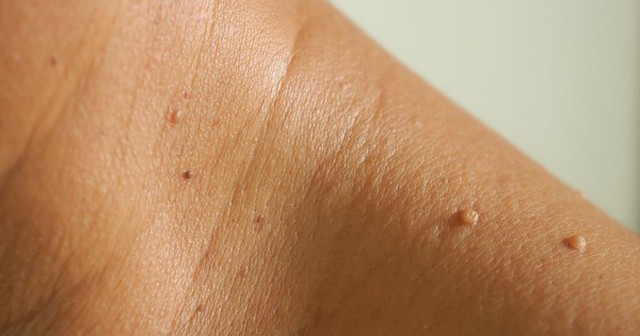
5. Tiny Skin Tags
Skin tags are small, soft growths that commonly appear around the neck, eyelids, chest, or underarms.
Although harmless, having multiple skin tags may be associated with insulin resistance and metabolic imbalance.
Researchers have found that people with numerous skin tags may have a higher risk of developing type 2 diabetes.
6. Yellow, Reddish, or Brown Patches
Some people with diabetes develop shiny, discolored patches on the skin — often on the shins.
These spots may appear yellow, reddish-brown, or slightly scaly. This condition is known as diabetic dermopathy.
It’s caused by changes in small blood vessels and is especially common in people who have had high blood sugar for years.
7. Sudden Blisters
Although less common, diabetes can sometimes cause large, painless blisters that resemble burn blisters.
They usually appear on the hands, feet, fingers, or legs and may come on suddenly without injury.
These blisters often heal on their own, but they can be an important sign of uncontrolled blood sugar.
8. Thick or Tight Skin
Diabetes may cause the skin to become thickened, waxy, or unusually tight — especially on the fingers, hands, and toes.
Some people notice difficulty bending their fingers or a stiff feeling in the joints.
This can happen when excess sugar affects collagen and connective tissue beneath the skin.
9. Persistent Redness or Swelling
Chronic inflammation caused by high blood sugar may lead to unexplained redness, puffiness, or swelling in certain areas of the body.
This may be subtle at first but can worsen over time if blood sugar remains uncontrolled.
The feet and lower legs are especially vulnerable due to circulation problems.
10. Cracked Heels and Foot Problems
Foot problems are extremely common in diabetes because nerve damage and poor circulation can reduce sensation and slow healing.
Dry, cracked heels may seem minor at first, but deep cracks can become infected if left untreated.
This is why proper foot care is so important for people with diabetes.
11. Unusual Skin Darkening Around Joints
In some cases, darkened skin may appear on the knuckles, knees, elbows, or fingertips.
This can be another sign of insulin resistance, especially when combined with fatigue, weight gain, or increased thirst.
Because these changes happen gradually, many people overlook them completely.
12. Persistent Acne-Like Bumps or Rashes
High blood sugar can trigger inflammation and immune dysfunction, leading to recurring bumps, rashes, or irritated skin.
Some people develop small yellowish bumps surrounded by redness, particularly on the arms, legs, or buttocks.
These skin eruptions may improve once blood sugar levels are controlled.
Why These Skin Changes Matter
Your skin is your body’s largest organ — and often one of the first to react when something is wrong internally.
Many people live with undiagnosed diabetes for years because early symptoms can be subtle. Fatigue, thirst, and frequent urination are widely known warning signs, but skin changes are often ignored or mistaken for normal aging, allergies, or cosmetic issues.
Recognizing these signs early may help prevent serious complications such as:
- Nerve damage
- Vision problems
- Kidney disease
- Poor circulation
- Heart disease
When Should You See a Doctor?
If you notice several of these symptoms together — especially alongside fatigue, excessive thirst, blurred vision, or unexplained weight changes — it’s important to speak with a healthcare professional.
A simple blood sugar test may help identify diabetes early, when it is often easier to manage through lifestyle changes, diet, exercise, and medical care.

Final Thoughts
Not every skin problem means diabetes. But your body has ways of sending silent warnings before a condition becomes serious.
Pay attention to unusual changes in your skin, especially if they persist or keep returning. Early awareness could make a major difference in protecting your long-term health.
Sometimes, the signs are right in front of us - reflected in the mirror every day.