These Foods May Be Preventing Your Ulcer from Healing
Stomach ulcers—often linked to Peptic Ulcer Disease—can be painful, persistent, and frustrating to deal with. While medication and medical care play a major role in treatment, what you eat every day can significantly affect how quickly (or slowly) your ulcer heals.
If your symptoms don’t seem to improve, your diet might be part of the problem.
Let’s take a closer look at the foods that could be irritating your stomach and delaying recovery—and what you should do instead.
Why diet matters for ulcer healing
An ulcer is essentially an open sore in the lining of your stomach or small intestine. When this lining is irritated repeatedly, healing becomes much more difficult.
Certain foods can:
- Increase stomach acid
- Irrate the stomach lining
- Trigger pain or inflammation
Avoiding these triggers is a key step toward recovery.
1. Spicy foods 🌶️
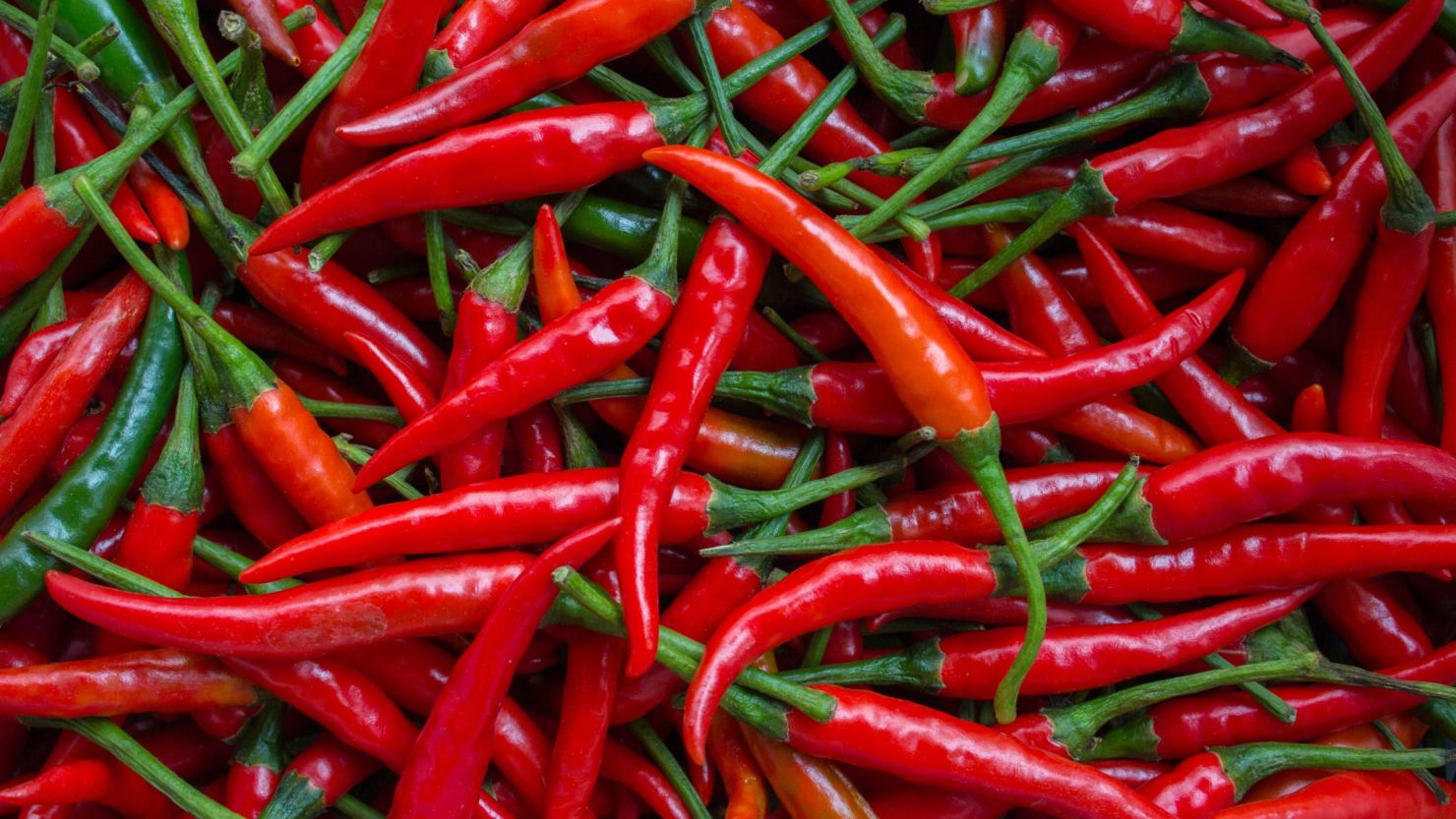
Spicy dishes don’t cause ulcers, but they can irritate existing ones.
Hot peppers, chili sauces, and heavily spiced meals may worsen symptoms like burning pain and discomfort.
👉 If you notice your symptoms flare up after spicy meals, it’s best to limit or avoid them during the healing process.
2. Fried and fatty foods 🍟
Greasy, high-fat foods slow down digestion and can increase acid production in the stomach.
Examples include:
- Fried chicken
- Fast food
- Oily snacks
These foods can leave your stomach working harder and longer—giving your ulcer more time to become irritated.
3. Coffee and caffeine ☕

Caffeine stimulates acid production, which can aggravate ulcers.
This includes:
- Coffee
- Strong tea
- Energy drinks
👉 Even decaffeinated coffee may still irritate some people, so it’s worth paying attention to how your body reacts.
4. Alcohol 🍺
Alcohol can damage the protective lining of the stomach and increase inflammation.
Regular consumption may:
- Slow healing
- Worsen symptoms
- Increase the risk of complications
👉 If you’re dealing with an ulcer, avoiding alcohol altogether is usually the safest choice.
5. Acidic foods 🍊
Highly acidic foods can irritate the stomach lining, especially when it’s already damaged.
Common triggers include:
- Citrus fruits (oranges, lemons)
- Tomatoes
- Vinegar-based foods
These don’t affect everyone the same way, but if you notice discomfort, it’s best to reduce intake.
6. Carbonated drinks 🥤

Sodas and fizzy drinks can cause bloating and increase pressure in the stomach, which may worsen pain and discomfort.
Some also contain caffeine or added acids, making them even more irritating.
7. Processed and salty foods 🧂
Highly processed foods—especially those high in salt—may contribute to stomach irritation and are often low in nutrients needed for healing.
What should you eat instead?
Healing an ulcer isn’t just about avoiding certain foods—it’s also about choosing the right ones.
Consider adding:
- Soft, easy-to-digest foods (rice, bananas, oatmeal)
- Lean proteins (chicken, fish, tofu)
- Vegetables (especially cooked rather than raw)
- Foods rich in fiber and nutrients
Eating smaller, more frequent meals can also help reduce stomach irritation.
Don’t forget the real causes
Most ulcers are caused by:
- Infection with Helicobacter pylori
- Long-term use of anti-inflammatory medications like Ibuprofen
Diet alone won’t cure an ulcer—but it plays a crucial role in recovery.
Final thoughts
If your ulcer isn’t healing, your daily food choices may be slowing the process more than you realize.
👉 Avoiding irritating foods
👉 Choosing gentle, nourishing options
👉 Following medical advice
These simple steps can make a real difference.
Healing takes time—but with the right habits, your body has a much better chance to recover.