Does your child develop itchy, sore ears in the spring or early summer? Do their ears turn red, swollen, and blistered, almost like a mild sunburn or nettle rash? This may be a condition called Juvenile Spring Eruption.
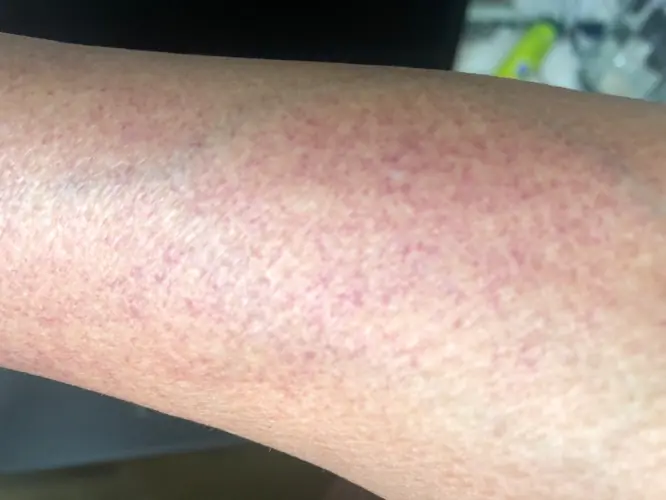
Juvenile Spring Eruption is a seasonal skin reaction that mainly affects children and teenagers. It typically appears in early spring and summer as red, itchy, swollen skin on the outer ears. The rash may look like hives at first and can later crust over. In most cases, it clears up on its own within one to two weeks, though symptoms vary in severity.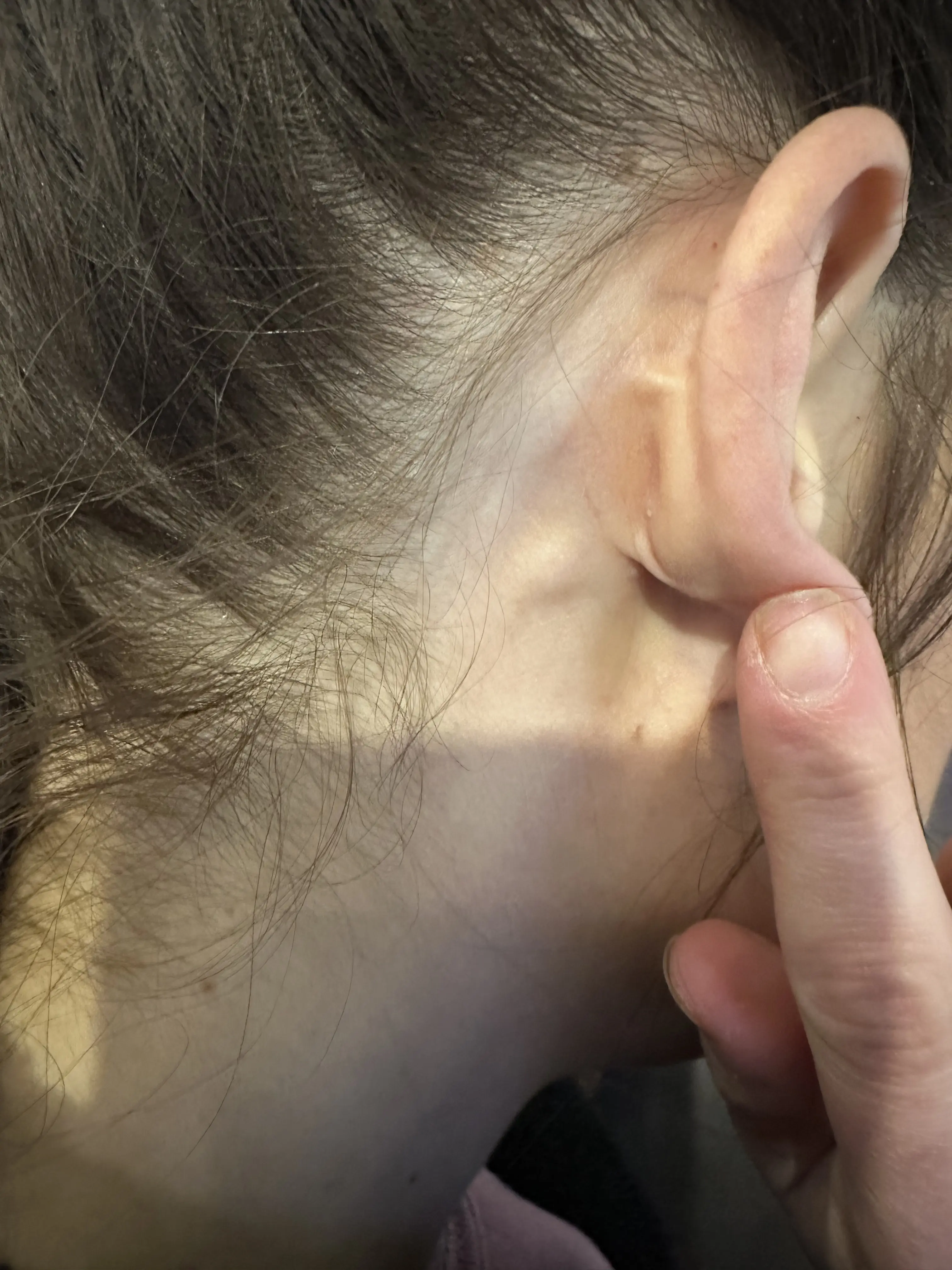
What Causes It?
The exact cause is not fully understood, but it is believed to be linked to sun sensitivity (especially UVA rays) and allergic reactions. Children who are prone to allergies such as asthma, eczema, or hay fever may be more likely to develop it.
Even mild sun exposure can trigger symptoms, sometimes through thin clothing or window glass. Standard sunscreens may not fully prevent reactions because they often offer limited UVA protection.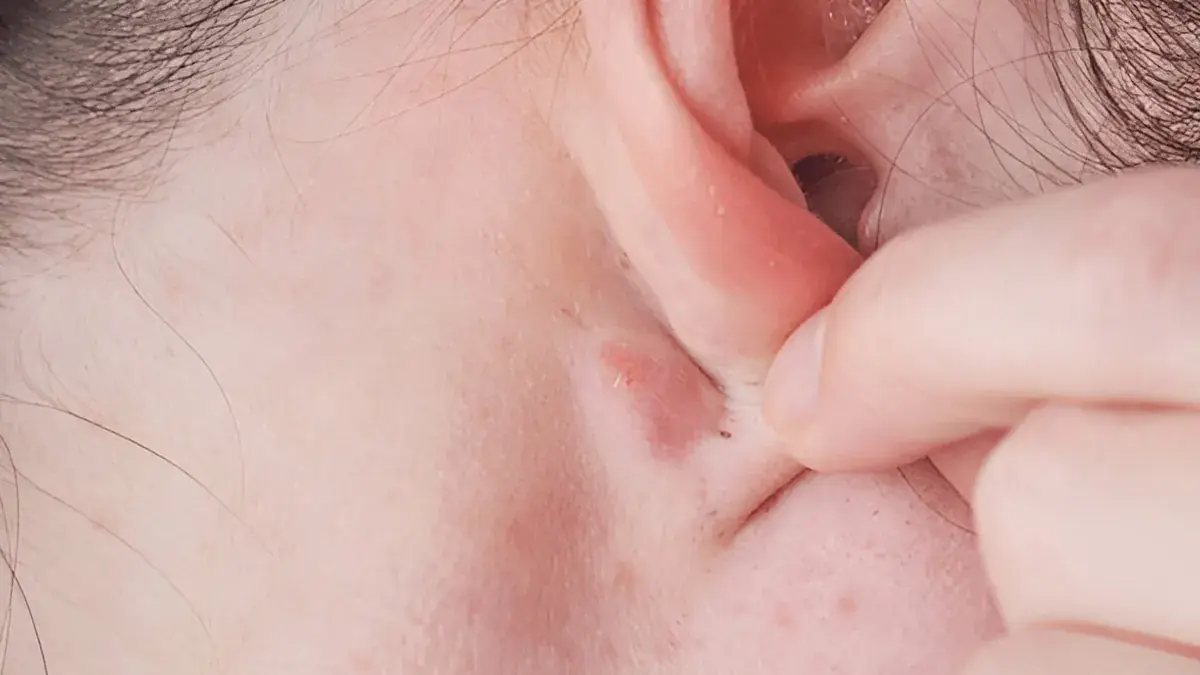
Histamine, a chemical released during allergic reactions, is thought to contribute to the itching, redness, and swelling.
Can Nutrition Help?
There is no specific cure, but certain nutrients may help reduce symptoms: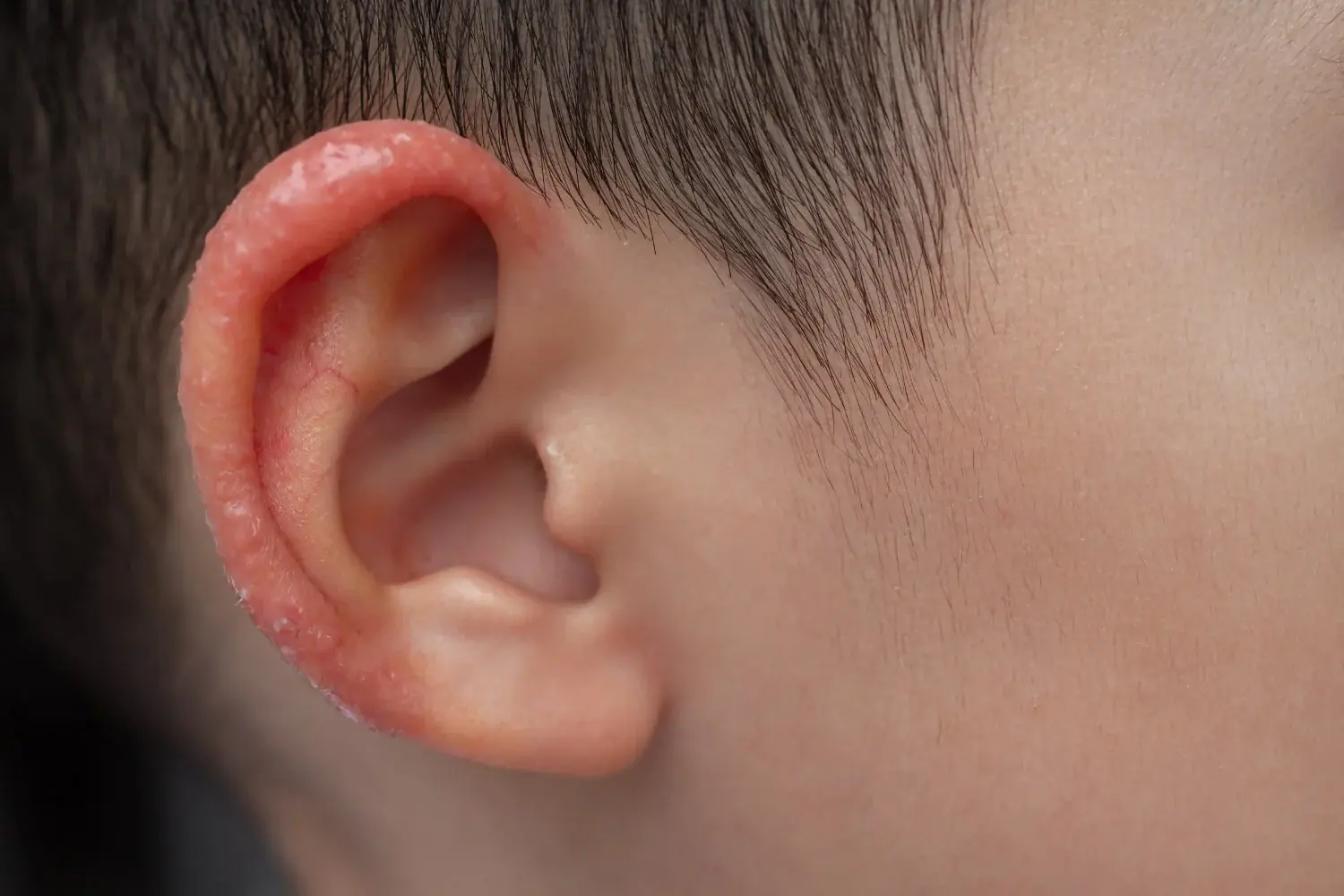
-
Vitamin C may help lower histamine levels and support the immune system. It is found in citrus fruits, strawberries, bell peppers, broccoli, and other fruits and vegetables.
-
Quercetin, a plant compound found in apples, red onions, and leafy greens, has anti-inflammatory and antihistamine properties.
Summary
Juvenile Spring Eruption is a temporary but uncomfortable seasonal condition that affects the ears of children and teens. While it usually resolves on its own, managing sun exposure and supporting the body’s response to allergens may help ease symptoms.