
3 Unusual Pain Signals That May Be Associated with Lung Cancer
Lung cancer is one of the leading causes of cancer-related deaths worldwide.
Health 04/03/2026 11:39
For centuries, medicinal plants have played an important role in traditional healing systems around the world. Among these natural remedies, Dog Rose (Rosa canina) has quietly earned a reputation for its impressive nutritional profile and potential health-supporting properties. Although often overlooked compared with more popular herbs, Dog Rose contains a variety of beneficial compounds that have been valued in traditional medicine for generations.
Native to Europe, North Africa, and parts of Western Asia, Dog Rose is a wild rose species known for its delicate pink flowers and bright red fruits known as rose hips. These small fruits are particularly rich in nutrients and have been used historically in teas, jams, powders, and herbal preparations.
Modern research continues to explore the potential benefits of Dog Rose, especially its antioxidant and anti-inflammatory properties. Below are ten notable health benefits associated with Rosa canina, along with practical ways to incorporate it into a daily wellness routine.
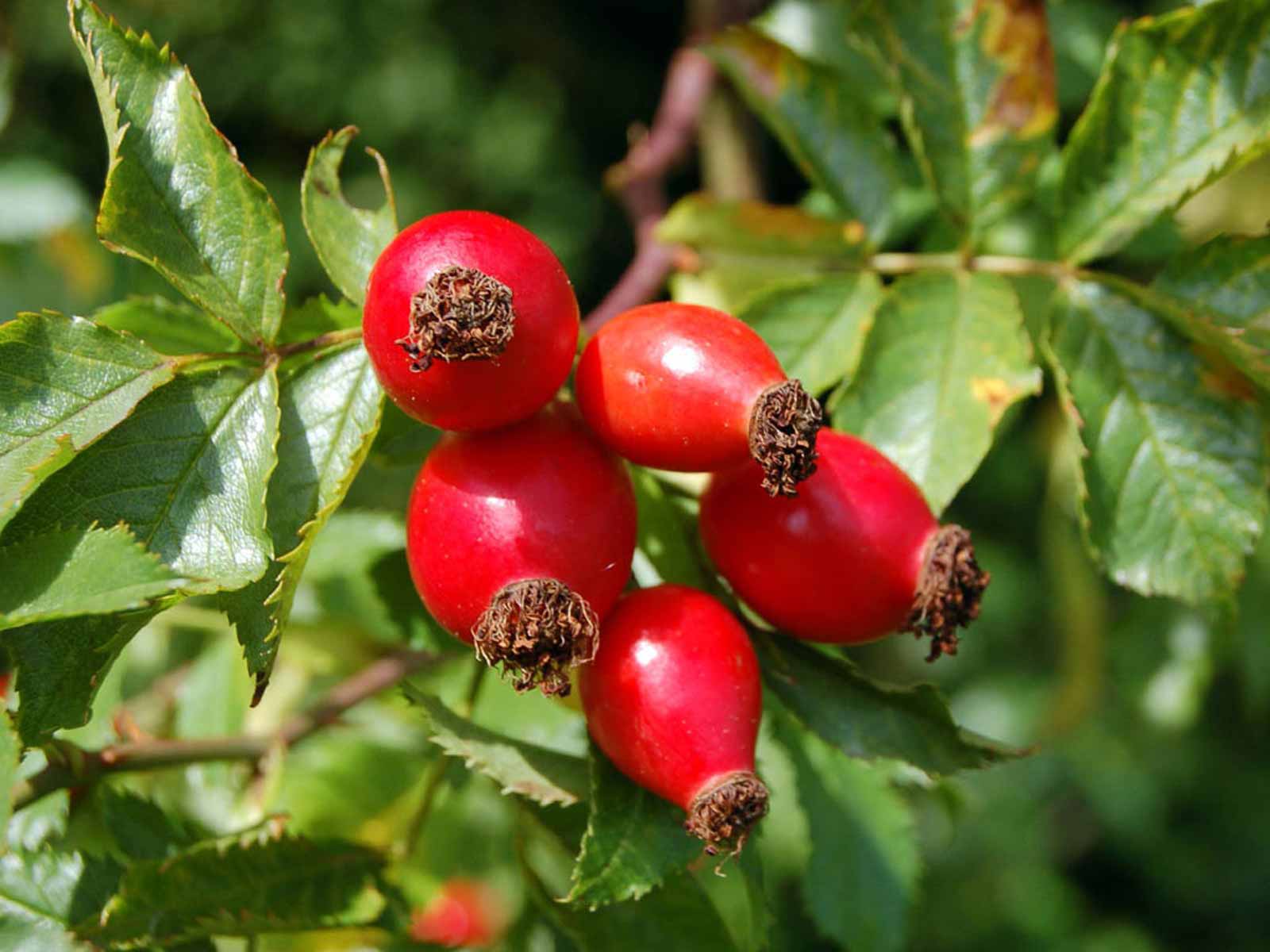
One of the most remarkable characteristics of Dog Rose is its exceptionally high vitamin C content. In fact, rose hips from Rosa canina contain significantly more vitamin C than many citrus fruits.
Vitamin C plays several critical roles in the body, including:
Supporting immune function
Promoting collagen production
Protecting cells from oxidative stress
Enhancing iron absorption
Because of these properties, rose hips have historically been used during times when fresh fruit was scarce to help prevent vitamin deficiencies.
Dog Rose contains a variety of antioxidant compounds, including:
Polyphenols
Carotenoids
Flavonoids
Vitamin E
Antioxidants help neutralize free radicals—unstable molecules that can damage cells and contribute to aging and chronic disease.
Regular consumption of antioxidant-rich foods may support overall health by helping reduce oxidative stress in the body.
Chronic inflammation is associated with many long-term health conditions, including arthritis, cardiovascular disease, and metabolic disorders.
Research suggests that compounds found in Rosa canina may have anti-inflammatory effects, particularly those derived from rose hip extracts. Some studies have examined rose hip powder as a complementary option for people experiencing joint discomfort.
While more research is still needed, these findings highlight the plant’s potential role in supporting joint health.
Traditional herbal medicine has long used rose hips to support mobility and joint comfort.
Several studies have explored rose hip powder as a supplement that may help reduce stiffness and support joint flexibility. Some researchers believe certain active compounds may help influence inflammatory pathways associated with joint discomfort.
For this reason, Dog Rose preparations are sometimes included in natural formulations designed to support musculoskeletal health.
The nutrients present in Dog Rose can contribute to skin health in several ways.
Vitamin C helps stimulate collagen production, which supports skin elasticity and structural integrity. Additionally, antioxidants help protect skin cells from environmental stressors such as UV radiation and pollution.
Rose hip oil—derived from the seeds of the fruit—is often used in skincare products because it contains:
Essential fatty acids
Vitamins A and C
Skin-nourishing antioxidants
These compounds may help improve skin texture and hydration.
Some of the polyphenols and antioxidants found in Dog Rose may contribute to cardiovascular health.
Antioxidants help protect blood vessels from oxidative stress, while certain plant compounds may support healthy cholesterol levels and circulation.
Although rose hips should not be viewed as a replacement for medical treatment, incorporating antioxidant-rich plant foods into a balanced diet may contribute to heart health over time.

Dog Rose has traditionally been used to support digestion.
The fruit contains natural fiber and plant compounds that may help maintain healthy digestive function. In herbal traditions, rose hip preparations have been used to:
Support regular bowel movements
Promote gentle digestive comfort
Provide mild digestive support
However, individuals with digestive sensitivities should start with small amounts when trying herbal products.
Because of its vitamin C content and antioxidant properties, Dog Rose may play a supportive role in immune health.
Vitamin C helps stimulate white blood cell activity and supports the body’s natural defense mechanisms. Herbal teas made from rose hips have historically been used during cold seasons to support general wellness.
While no plant can completely prevent illness, nutrient-rich foods help maintain a resilient immune system.
Some preliminary studies have examined rose hip extract in relation to metabolism and weight management.
Certain compounds present in Rosa canina may influence fat metabolism and energy regulation. However, research in this area is still developing, and results should be interpreted cautiously.
Healthy weight management ultimately depends on balanced nutrition, physical activity, and lifestyle factors.
In addition to vitamin C, Dog Rose contains several other beneficial nutrients, including:
Vitamin A
Vitamin E
Calcium
Magnesium
Potassium
These nutrients contribute to overall nutritional balance and support many essential bodily functions.
Because of this, rose hips are often included in herbal blends designed to promote general well-being.
There are several ways to incorporate Dog Rose into a health-supportive lifestyle.
One of the most common uses is rose hip tea.
To prepare:
Add dried rose hips to hot water.
Allow the mixture to steep for about 10–15 minutes.
Strain and enjoy.
The tea has a mildly tart flavor and can be enjoyed warm or chilled.
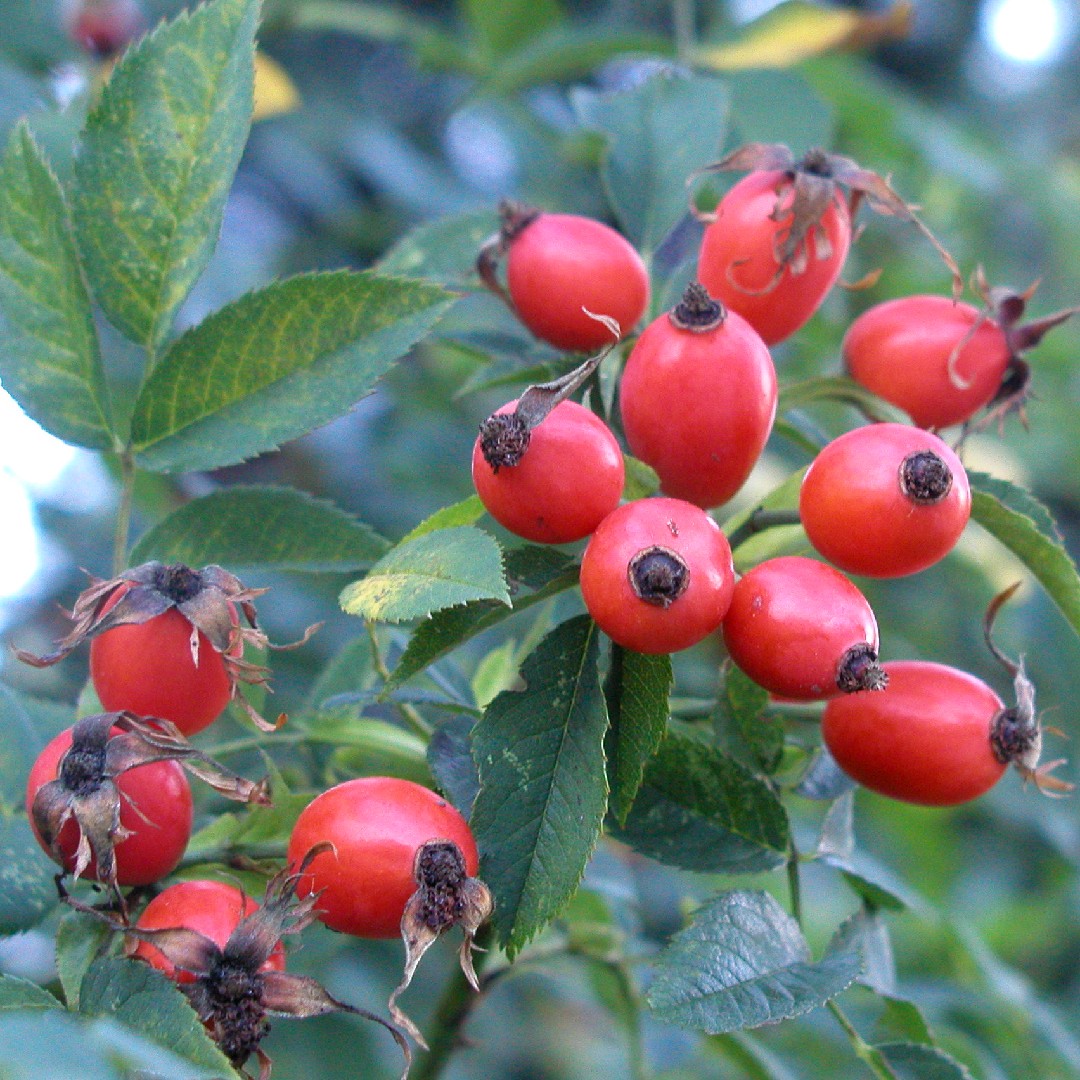
Dried rose hips can also be ground into powder and added to:
Smoothies
Yogurt
Oatmeal
Herbal blends
This form is often used as a dietary supplement.
Rose hip oil is commonly used in skincare routines.
It may be applied to the skin to support hydration and improve appearance. Many cosmetic products include rose hip oil due to its nourishing properties.
In some cultures, rose hips are used to prepare:
Herbal syrups
Fruit preserves
Nutrient-rich spreads
These traditional preparations allow the fruit to be enjoyed as part of everyday meals.
Although Dog Rose is generally considered safe for most people when consumed in moderate amounts, a few precautions are worth noting.
Some individuals may experience mild digestive discomfort when consuming large quantities of rose hip products. People taking certain medications or managing medical conditions should consult healthcare professionals before introducing new herbal supplements.
Herbal remedies can complement wellness practices but should not replace professional medical care when needed.
Dog Rose (Rosa canina) may appear to be just another wild plant growing along roadsides and forest edges, but its small red fruits contain an impressive range of nutrients and bioactive compounds.
From antioxidant protection to potential support for immune, skin, and joint health, this traditional plant continues to attract interest from both herbal practitioners and modern researchers.
Incorporating rose hips into a balanced diet—whether through tea, powder, or natural preparations—can be a simple way to enjoy the nutritional benefits of this remarkable plant.
As with all natural remedies, the greatest benefits arise when it is used thoughtfully as part of a healthy lifestyle that includes balanced nutrition, regular activity, and proper medical care when necessary.
Lung cancer is one of the leading causes of cancer-related deaths worldwide.
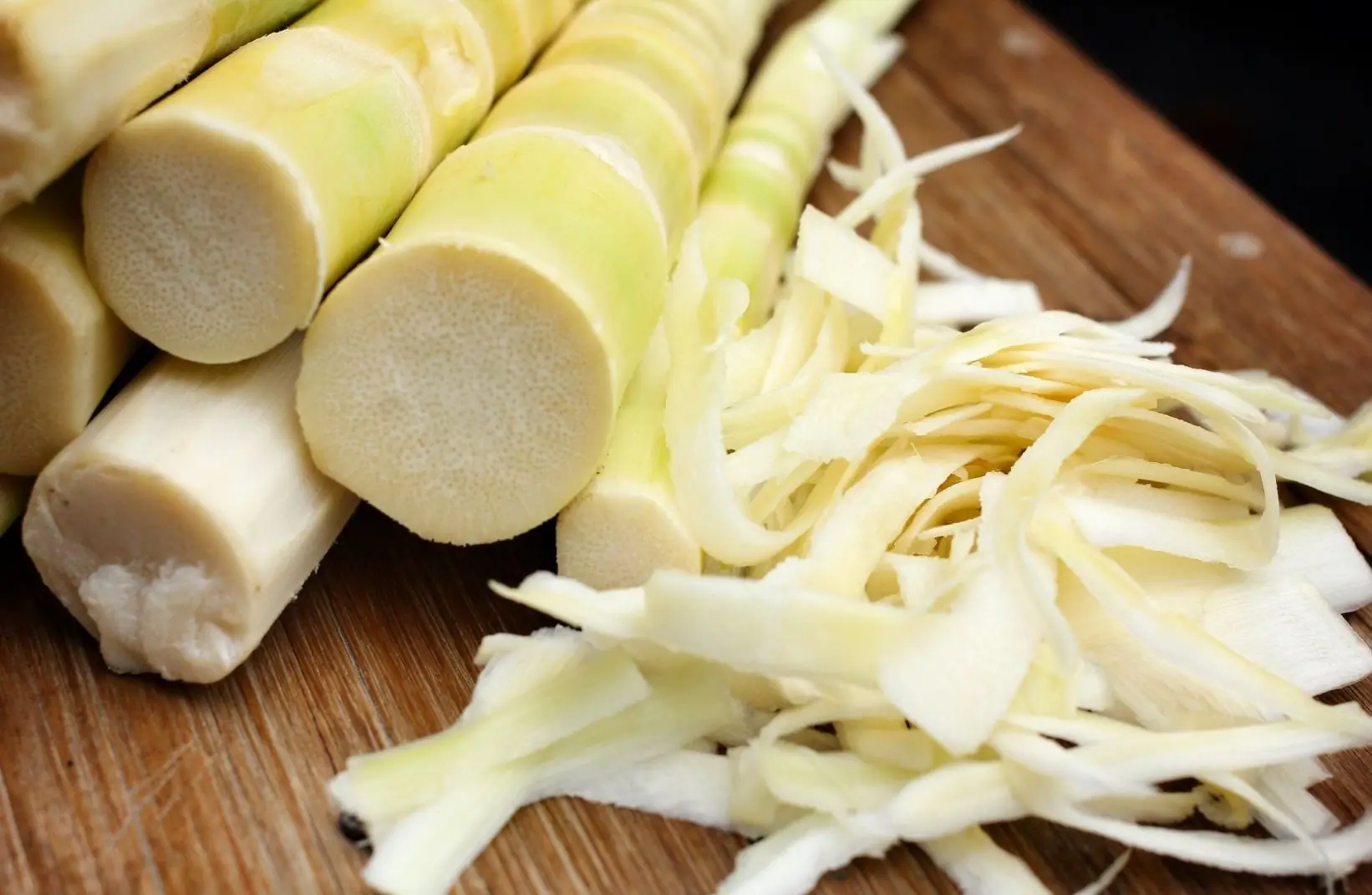
Are Bamboo Shoots Harmful in Large Amounts?

Itchy Ears? Beware of Juvenile Spring Eruption

Serious Health Clues Hidden in Your Nasal Symptoms

Don’t ignore this unusual sign in your body - it may indicate late-stage nasopharyngeal can.cer

Is tilapia really good for you? Some facts might make you think twice

White Coating on Your Tongue? Here’s What Your Body Might Be Telling You

3 overlooked spousal habits that may put wives at greater risk for cer.vical can.cer - awareness matters

The 3-Hour Rule Before Bed: A Simple Habit for Better Blood Pressure and Blood Sugar

These 5 strange signs could be warning signals of dia.betes - don’t ignore them

Why People in Japan Sleep on the Floor and 5 Reasons to Give It a Try

7 Important Signs Your Body Is Crying Out for Help
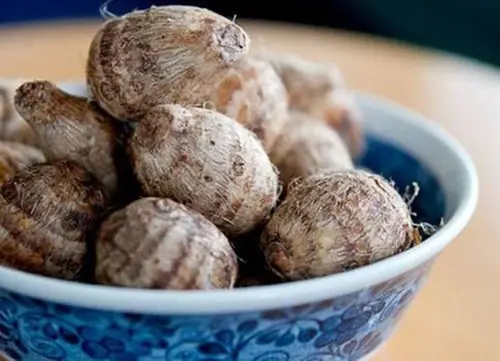
Taro: The Underrated Superfood That Could Transform Your Energy, Digestion, and Overall Wellness

At just 20 years old, Linh Nguyen (name changed), a young and passionate teacher at a local elementary school, passed away from liver cancer — a disease typically associated with older individuals or those with long-term health issues.
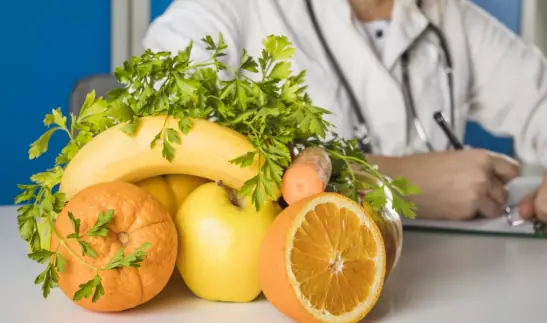
Cancer is one of the leading causes of death worldwide, but the good news is that certain foods contain powerful compounds that may help prevent and even fight cancer.
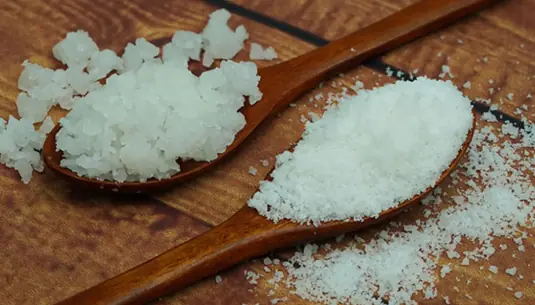
Magnesium is an essential mineral in the human body, playing a critical role in over 300 enzymatic processes.

Three Morning Habits Young People Often Ignore That Can Seriously Dam:age Their Kidneys — Quit These Now

If Your Parent Shows These 4 Signs, It May Be Time to Prepare

7 Signs Your Kidneys Are Working Well — Check Yourself
Lung cancer is one of the leading causes of cancer-related deaths worldwide.
Are Bamboo Shoots Harmful in Large Amounts?
Itchy Ears? Beware of Juvenile Spring Eruption

Simple ways to recognize venomous snakes and protect yourself in the wild
Serious Health Clues Hidden in Your Nasal Symptoms
Don’t ignore this unusual sign in your body - it may indicate late-stage nasopharyngeal can.cer
Is tilapia really good for you? Some facts might make you think twice
White Coating on Your Tongue? Here’s What Your Body Might Be Telling You
3 overlooked spousal habits that may put wives at greater risk for cer.vical can.cer - awareness matters
The 3-Hour Rule Before Bed: A Simple Habit for Better Blood Pressure and Blood Sugar
These 5 strange signs could be warning signals of dia.betes - don’t ignore them
Why People in Japan Sleep on the Floor and 5 Reasons to Give It a Try
7 Important Signs Your Body Is Crying Out for Help
Taro: The Underrated Superfood That Could Transform Your Energy, Digestion, and Overall Wellness
At just 20 years old, Linh Nguyen (name changed), a young and passionate teacher at a local elementary school, passed away from liver cancer — a disease typically associated with older individuals or those with long-term health issues.
Cancer is one of the leading causes of death worldwide, but the good news is that certain foods contain powerful compounds that may help prevent and even fight cancer.
Magnesium is an essential mineral in the human body, playing a critical role in over 300 enzymatic processes.
Three Morning Habits Young People Often Ignore That Can Seriously Dam:age Their Kidneys — Quit These Now
If Your Parent Shows These 4 Signs, It May Be Time to Prepare