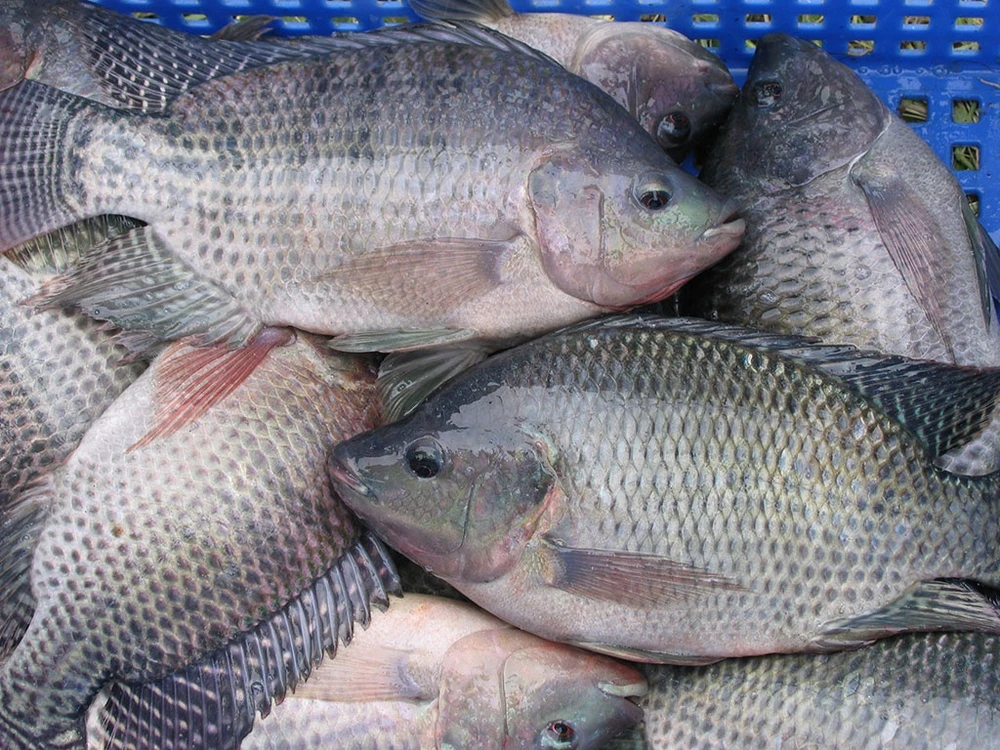
Tilapia has become one of the most widely consumed fish in the world. It is affordable, mild in flavor, easy to cook, and commonly marketed as a healthy protein option. In supermarkets and restaurants, tilapia is often promoted as a lean fish that fits well into a balanced diet.
However, over the past decade, nutrition experts and food safety researchers have raised concerns about certain aspects of tilapia production and nutritional composition. While tilapia is not inherently dangerous, there are several reasons why some people are choosing to limit or avoid it, especially when better seafood alternatives are available.
Understanding these concerns helps consumers make more informed dietary choices.
Why Tilapia Became So Popular
Tilapia’s popularity is not accidental. It has several characteristics that make it attractive for large-scale aquaculture and consumer markets.
First, tilapia grows quickly and adapts well to farming environments. This makes it inexpensive to produce compared with many other fish species. Second, its mild taste appeals to people who find stronger-flavored fish like sardines or mackerel overwhelming.
Because of these traits, tilapia has become one of the most farmed fish globally, especially in countries such as China, Indonesia, Egypt, and parts of Latin America.
But large-scale farming has also introduced questions about quality and sustainability.

Concern #1: Low Omega-3 Content
Fish is often recommended as a healthy food because it contains omega-3 fatty acids, which support heart health, brain function, and inflammation control.
Fatty fish such as salmon, sardines, and mackerel are particularly rich in these beneficial fats. Tilapia, however, contains much lower levels of omega-3 fatty acids compared with these species.
Instead, tilapia contains a relatively higher amount of omega-6 fatty acids. While omega-6 fats are not harmful by themselves, excessive intake relative to omega-3s may contribute to inflammation in some individuals.
For people specifically eating fish to obtain omega-3 benefits, tilapia may not be the most effective choice.
Concern #2: Farming Conditions
Most tilapia sold in supermarkets is farm-raised rather than wild-caught. Aquaculture can be a responsible and sustainable way to produce seafood, but conditions vary significantly between farms.
In some regions, reports have raised concerns about:
-
Overcrowded farming environments
-
Poor water quality
-
Use of antibiotics to control disease
-
Limited regulation of farming practices
When fish are raised in overcrowded or poorly managed environments, the risk of contamination and reduced nutritional quality may increase.
Not all farms operate this way, but the variability in production standards has led some experts to recommend caution when selecting farmed tilapia.
Concern #3: Diet and Feed Quality
What fish eat influences their nutritional profile.
In natural environments, fish often consume algae, plankton, and smaller aquatic organisms. In farmed environments, however, tilapia are frequently fed commercial feed mixtures that may contain corn, soy, or other plant-based ingredients designed to accelerate growth.
While this approach improves efficiency for aquaculture operations, it can affect the fish’s fatty acid composition, potentially reducing beneficial nutrients.
Feed quality can vary widely depending on farming practices and regional regulations.
Concern #4: Potential Contaminants
Another concern occasionally discussed in food safety reports involves contamination risks in certain aquaculture systems.
Possible contaminants may include:
-
Environmental pollutants in water
-
Residues from antibiotics or chemicals used in fish farming
-
Heavy metals in some environments
It is important to note that many countries regulate seafood imports and conduct safety inspections. However, inconsistencies in oversight between regions mean that quality may vary depending on the source of the fish.
Consumers who are concerned about contaminants often choose seafood from certified sustainable fisheries or trusted suppliers.
Concern #5: Nutritional Comparisons with Other Fish
When comparing tilapia to other seafood options, its nutritional profile may appear less impressive.
For example, fatty fish such as salmon, sardines, and anchovies provide:
-
Higher omega-3 levels
-
Greater amounts of vitamin D
-
Higher concentrations of beneficial fatty acids
Tilapia still provides lean protein, but it lacks some of the unique nutritional advantages that make other fish especially valuable in a heart-healthy diet.
For individuals seeking maximum nutritional benefit from seafood, other options may offer more.
Is Tilapia Actually Unsafe?
Despite these concerns, it is important to maintain a balanced perspective.
Tilapia is not inherently toxic or dangerous. When raised in well-regulated aquaculture environments and prepared properly, it can still be part of a healthy diet.
It provides:
-
High-quality protein
-
Essential amino acids
-
Low saturated fat
-
Important micronutrients such as selenium and vitamin B12
The issue is not necessarily that tilapia must be avoided entirely, but that it may not always be the best seafood choice compared with alternatives.

Healthier Seafood Alternatives
If the goal is to maximize nutritional value, several fish options provide greater health benefits.
Examples include:
Salmon
Rich in omega-3 fatty acids and vitamin D.
Sardines
High in calcium, omega-3s, and essential nutrients.
Mackerel
A powerful source of heart-healthy fats.
Trout
Another excellent source of omega-3 fatty acids.
These fish are often recommended in dietary guidelines for cardiovascular health.
Tips for Choosing Better Seafood
For consumers who still enjoy tilapia but want to reduce potential risks, a few simple strategies can help.
Choose tilapia from reputable sources with strong aquaculture regulations. Look for certifications related to sustainable or responsibly farmed seafood when available.
Variety is also important. Rather than relying on a single type of fish, incorporating different seafood options into a diet provides a wider range of nutrients.
Balanced consumption remains the key to a healthy diet.
Final Thoughts
Tilapia gained popularity because it is affordable, accessible, and easy to prepare. While it offers some nutritional value, concerns about its omega-3 levels, farming practices, and feed quality have led many nutrition experts to recommend moderation.
For people seeking the greatest health benefits from seafood, fish richer in omega-3 fatty acids may be a better choice.
The most important takeaway is not necessarily to eliminate tilapia completely, but to understand its limitations and make informed decisions when selecting seafood.
A diverse, balanced diet that includes high-quality protein sources and nutrient-rich foods will always provide the best support for long-term health.