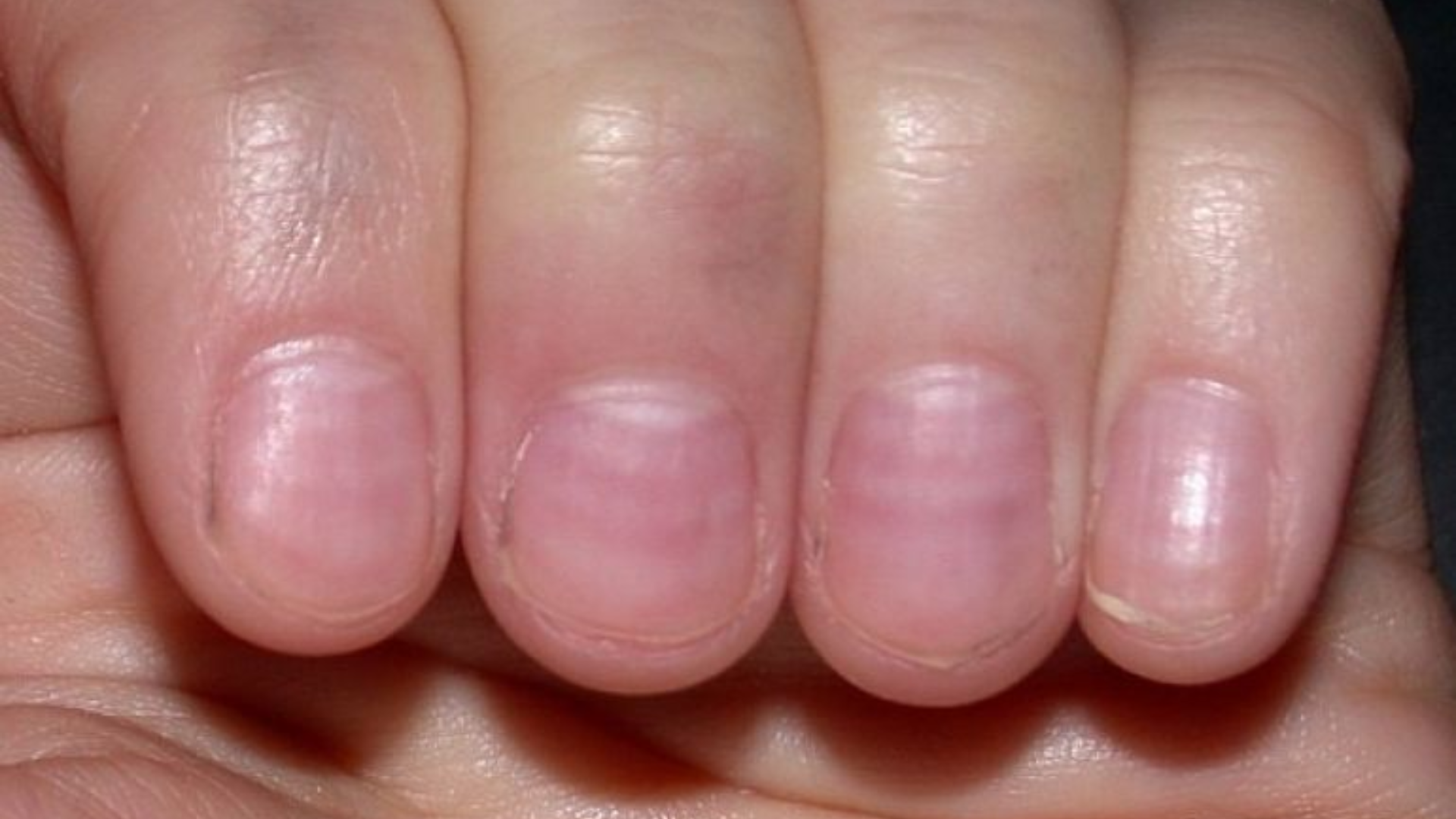
Our bodies often send subtle signals when something is not quite right. While many people focus on obvious symptoms such as pain, fatigue, or fever, smaller changes in the body can also provide valuable clues about overall health. One area that can sometimes reflect internal conditions is the nails.
Nails grow slowly over time, and their appearance may change based on nutrition, health conditions, or external factors. In some cases, lines or ridges on the nails may appear. While these changes are often harmless, certain patterns can occasionally signal underlying health issues.
Understanding the different types of nail lines can help people recognize when a change may simply be part of normal aging or when it may be worth discussing with a healthcare professional.
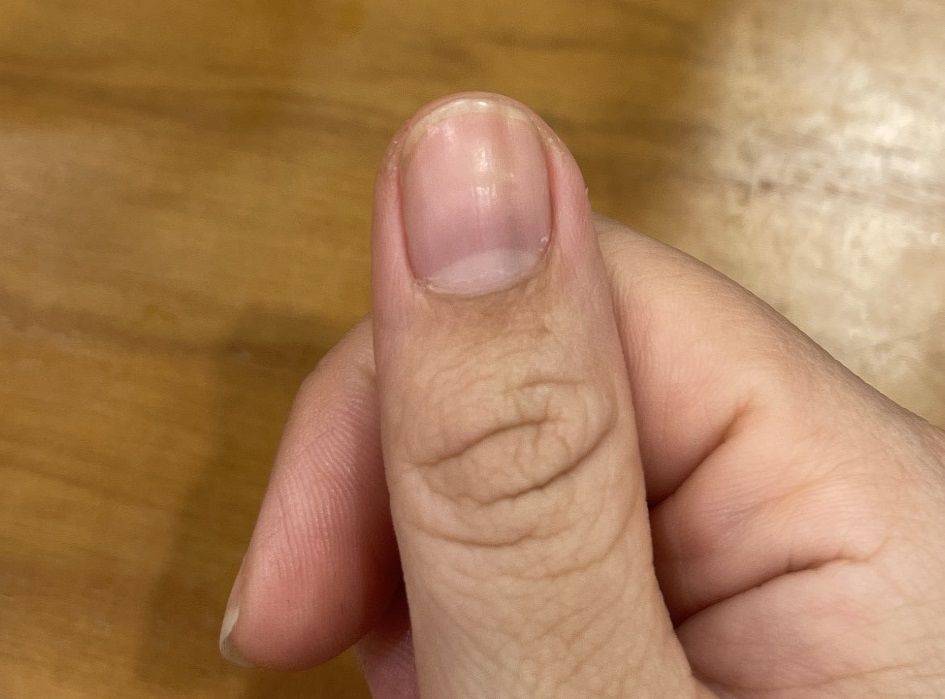
Why Nails Can Reflect Health
Nails are made primarily of keratin, a protein also found in hair and skin. As nails grow from the nail matrix beneath the skin, they carry information about what the body has experienced during the growth process.
Factors that can influence nail appearance include:
-
Nutrition and vitamin intake
-
Circulation and oxygen supply
-
Stress or illness
-
Hormonal changes
-
Injuries to the nail
-
Certain medical conditions
Because fingernails grow slowly—about 2–3 millimeters per month—visible changes may reflect events that occurred weeks or even months earlier.
Common Types of Nail Lines and What They May Indicate
Different nail line patterns can appear for various reasons. Below are several commonly observed types.
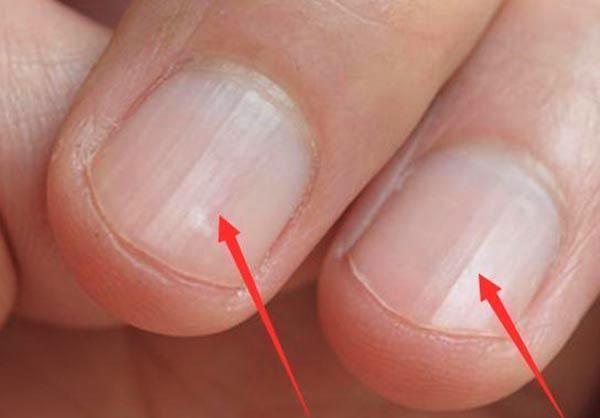
1. Vertical Ridges (Longitudinal Lines)
Vertical ridges run from the base of the nail near the cuticle toward the tip.
These lines are extremely common, especially as people age. In most cases, they are harmless and simply reflect natural changes in nail growth.
Possible contributing factors include:
-
Aging
-
Mild dehydration
-
Minor nutrient imbalances
-
Normal variations in nail structure
Many people notice these ridges becoming more visible after the age of 40.
Unless they are accompanied by other nail changes—such as discoloration or brittleness—vertical ridges usually do not indicate a serious problem.
2. Horizontal Lines (Beau’s Lines)
Horizontal grooves or indentations that run across the nail are known as Beau’s lines.
These lines form when nail growth temporarily slows or stops due to stress on the body. Possible causes may include:
-
Severe illness
-
High fever
-
Major infections
-
Physical trauma
-
Certain medications
-
Nutritional deficiencies
Because nails grow slowly, Beau’s lines may appear weeks after the triggering event.
In many cases, the nail eventually grows out normally once the underlying issue resolves.

3. White Horizontal Lines (Muehrcke’s Lines)
Sometimes people notice pale or white horizontal lines across their nails. These lines may be related to changes in blood protein levels or circulation in the nail bed.
Possible causes can include:
-
Nutritional imbalances
-
Low protein levels
-
Liver or kidney issues in rare cases
However, white nail lines can also result from harmless factors such as minor nail trauma.
Medical evaluation may be helpful if these lines appear suddenly or are accompanied by other symptoms.
4. Dark Lines or Streaks
Occasionally, dark vertical streaks may appear beneath the nail.
In many cases, these are caused by melanin pigmentation, which may occur naturally in some individuals. Small injuries to the nail can also produce dark streaks.
However, persistent dark lines that change in size or color should be evaluated by a healthcare professional, as they may require further examination.
5. Nail Splitting or Deep Grooves
Sometimes lines are accompanied by brittle or splitting nails.
This may occur due to:
-
Frequent exposure to water or chemicals
-
Vitamin deficiencies
-
Iron deficiency
-
Thyroid conditions in some cases
Improving nail care habits and addressing nutritional deficiencies often helps restore healthier nail growth.
When Should Nail Changes Be Checked?
Most nail lines are harmless and related to everyday factors such as aging, minor injury, or dehydration.
However, it may be helpful to consult a healthcare professional if nail changes are accompanied by:
-
Pain or swelling
-
Sudden changes in nail color
-
Thickening or distortion of the nail
-
Persistent dark streaks
-
Multiple unusual nail changes at once
Medical professionals can evaluate whether the changes are related to nutritional, dermatological, or systemic conditions.
How to Maintain Healthy Nails
Good nail health often reflects overall wellness. Several simple habits can help support healthy nail growth.
Maintain Balanced Nutrition
A diet rich in vitamins and minerals supports nail strength. Important nutrients include:
-
Biotin
-
Iron
-
Zinc
-
Vitamin B12
-
Protein
Eating a balanced diet with fruits, vegetables, whole grains, and lean proteins can help maintain nail health.
Stay Hydrated
Proper hydration supports healthy skin and nail growth.
Protect Nails From Damage
Wearing gloves when cleaning or washing dishes can reduce exposure to harsh chemicals and excessive moisture.
Avoid Excessive Nail Trauma
Repeated picking, biting, or aggressive manicures can damage the nail matrix and affect growth patterns.
Nails as a Window to Overall Health
While nails alone cannot diagnose medical conditions, they can sometimes provide useful clues about the body’s internal balance.
Doctors occasionally examine nails during routine physical exams because changes in color, shape, or texture may reflect broader health patterns.
Paying attention to subtle body signals can help individuals become more aware of their health.
Final Thoughts
Lines on the nails are often harmless and part of the natural aging process. In many cases, they simply reflect normal variations in nail growth or minor external factors.
However, persistent or unusual changes should not be ignored, especially if they appear suddenly or occur alongside other symptoms.
The human body communicates in many ways, and sometimes even small details - like the appearance of your nails can offer clues worth paying attention to.
Maintaining good nutrition, proper nail care, and regular health checkups can help support overall well-being and keep both your nails and your body in healthy condition.