Milia are tiny, pearly-white bumps that commonly appear on the face and can be frustrating to deal with. Although they are harmless and painless, their stubborn nature and noticeable appearance often make people eager to remove them. These small cysts typically form around the eyes, nose, cheeks, and forehead, where the skin is more delicate and prone to buildup.
Understanding what milia are, why they form, and how to treat and prevent them is essential for maintaining clear, healthy-looking skin. In this guide, we’ll explore the science behind milia, explain how they differ from other skin conditions, and discuss effective treatment and prevention strategies—ranging from professional care to gentle at-home options.
1. Understanding Milia: What Are They?

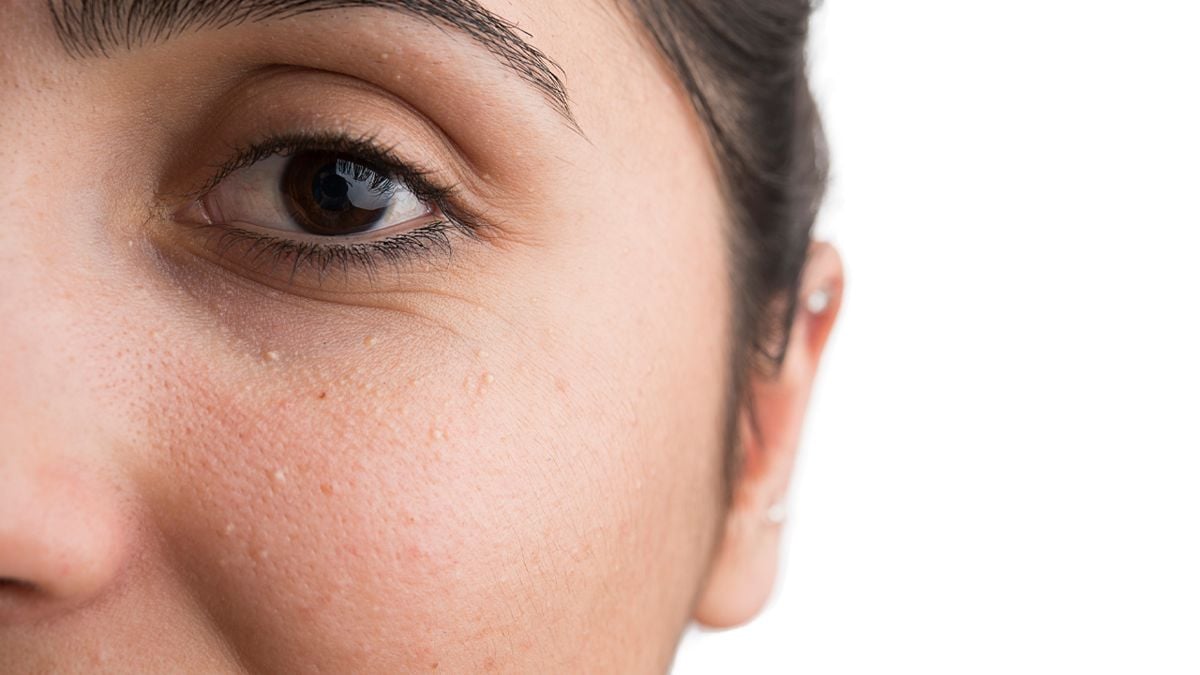
Milia are small, white or yellowish cysts that develop when keratin—a natural protein found in the skin—becomes trapped beneath the skin’s surface. Each individual cyst, known as a milium, is usually about 1–2 millimeters in diameter and often appears in clusters.
Although milia are most commonly seen in newborns, they can affect people of all ages. Unlike acne, milia are not caused by clogged pores, bacteria, or excess oil. Instead, they result from dead skin cells that fail to shed properly, becoming trapped under the epidermis. This is why milia do not become red, inflamed, or painful like pimples.
2. Why Milia Are Harmless but Persistent
Milia are classified as benign, meaning they pose no health risk and are not linked to serious medical conditions. However, their persistence can be particularly frustrating. Unlike acne lesions, milia do not respond to typical spot treatments, cleansers, or pore strips.
Their stubborn nature is due to their location beneath the surface of the skin. Because milia are not connected to pores, squeezing or popping them is ineffective and can lead to skin damage or scarring. As a result, they often require targeted treatment or professional intervention to resolve completely.
3. Common Causes of Milia Formation

Milia can form for several reasons, with skin trauma being one of the most common triggers. Burns, blisters, rashes, sunburn, or even cosmetic procedures can interfere with the skin’s natural exfoliation process, leading to keratin buildup.
Heavy or occlusive skincare products are another frequent cause. Thick creams, ointments, and oil-based products can trap dead skin cells beneath the surface, especially when used around the eyes. Additionally, genetics, aging skin, and certain medical conditions may increase susceptibility to milia.
4. Milia vs. Other Skin Conditions
Milia are often mistaken for whiteheads, acne, or sebaceous hyperplasia due to their similar appearance. However, there are important distinctions.
-
Acne involves inflammation, bacteria, and clogged pores, often accompanied by redness and tenderness.
-
Sebaceous hyperplasia results from enlarged oil glands and usually appears as yellowish bumps with a central indentation.
Milia lack inflammation, redness, and visible pores, which is why correct identification is crucial before choosing a treatment approach.
5. Professional Extraction: The Most Effective Solution
Professional extraction performed by a dermatologist or licensed esthetician is the fastest and most effective way to remove milia. Using a sterile needle or blade, the professional creates a tiny opening in the skin and carefully extracts the trapped keratin.
When done properly, professional extraction carries minimal risk of scarring or infection. Attempting to remove milia at home without proper tools or training can damage the skin, especially in sensitive areas like around the eyes.
6. Topical Retinoids: A Dermatologist-Approved Option
Topical retinoids such as tretinoin or adapalene are frequently recommended for treating and preventing milia. These vitamin A derivatives accelerate cell turnover, helping the skin shed dead cells more effectively.
With consistent use, retinoids can gradually reduce existing milia and prevent new ones from forming. However, they should be introduced slowly, as they can cause dryness, redness, or irritation, particularly in sensitive skin types.
7. Over-the-Counter Exfoliants for Milia Management
Gentle chemical exfoliants containing alpha hydroxy acids (AHAs) or beta hydroxy acids (BHAs) can help manage milia by promoting exfoliation and preventing keratin buildup.
Products with ingredients like glycolic acid, lactic acid, or salicylic acid can improve skin texture over time. It’s important to avoid over-exfoliating, as excessive use can compromise the skin barrier and worsen the problem.
8. Home Remedies: Gentle and Natural Approaches
Some people prefer natural methods to support skin renewal. Facial steaming may help soften the skin and encourage natural exfoliation, while gentle scrubs made from sugar and olive oil can remove surface debris when used sparingly.
Honey masks are another popular option, as honey has mild exfoliating and antimicrobial properties. While home remedies may not eliminate milia entirely, they can support overall skin health and complement other treatments.
9. Avoid Heavy Skincare Products
Using thick, heavy creams—especially around the eyes—can increase the risk of milia. Choosing lightweight, non-comedogenic products allows the skin to breathe and shed dead cells more effectively.
Pay close attention to ingredient lists and avoid products rich in waxes, mineral oil, or heavy butters if you’re prone to milia. Gel-based or water-based moisturizers are often better alternatives.
10. Prevention Strategies for Milia
Preventing milia involves maintaining a consistent, gentle skincare routine. Key strategies include:
-
Regular, mild exfoliation
-
Using gentle cleansers
-
Avoiding harsh scrubbing or over-cleansing
-
Applying sunscreen daily to protect against sun damage
Sun exposure can thicken the outer layer of skin, increasing the risk of keratin entrapment, so sun protection plays an important preventive role.
11. When to See a Dermatologist
Although milia are harmless, professional advice may be helpful if they are widespread, persistent, or affecting your confidence. A dermatologist can confirm the diagnosis and recommend appropriate treatments tailored to your skin type.
If bumps change in appearance, become inflamed, or are accompanied by other symptoms, a professional evaluation is especially important to rule out other skin conditions.
Final Thoughts
Milia may be small, but they can have a big impact on how your skin looks and feels. With the right knowledge and approach, they are manageable and often preventable. By understanding their causes, choosing appropriate treatments, and maintaining healthy skincare habits, you can reduce their appearance and support a smoother, clearer complexion.