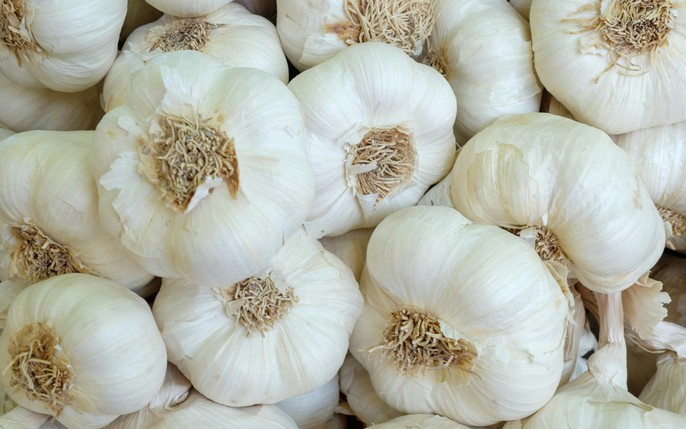
Over the past few years, black garlic has gone from a niche ingredient in Asian cuisine to a global wellness trend. It shows up everywhere—
from gourmet restaurants to health blogs and supplement ads - often described as a superfood upgrade of regular garlic. But how true is that
hype?
To answer that, it’s important to look beyond marketing and compare black garlic vs. regular garlic in terms of nutrition, bioactive
compounds, health benefits, and real-world usage.
Let’s break it down clearly and honestly.
First, What Exactly Is Black Garlic?
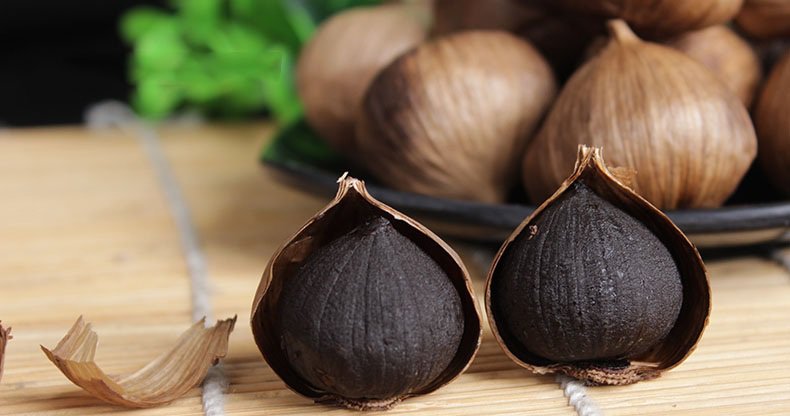
Black garlic is not a different plant. It is made from regular raw garlic that has been aged under controlled heat and humidity (typically
60–90°C with high humidity) for several weeks.
During this process:
-
No additives or fermentation agents are added
-
Natural sugars and amino acids undergo the Maillard reaction
-
The cloves turn black, soft, and sticky
-
Flavor shifts from sharp and pungent to sweet, tangy, and umami-rich
Nutritionally, this aging process changes garlic quite significantly.
Nutritional Comparison: Black Garlic vs. Regular Garlic
1. Calories and Macronutrients
On a basic level, both forms are similar in calories and macronutrients.
-
Calories: Comparable (black garlic may be slightly higher due to sugar concentration)
-
Carbohydrates: Slightly higher in black garlic
-
Protein & fat: Minimal in both
-
Fiber: Similar, though texture makes black garlic easier to digest
No major advantage here - this is not where black garlic shines.
2. Allicin vs. Antioxidants (The Big Trade-Off)
This is the most important nutritional difference.
Regular Garlic: High in Allicin
-
Raw garlic contains allicin, the compound responsible for its strong smell
-
Allicin is linked to:
-
Antibacterial activity
-
Cardiovascular support
-
Immune defense
-
However:
-
Allicin is unstable
-
It degrades quickly with heat and processing
-
Cooked garlic contains far less allicin than raw garlic
Black Garlic: High in Stable Antioxidants
During aging:
-
Allicin is largely converted into other compounds
-
Antioxidant levels increase significantly
Key antioxidants in black garlic include:
-
S-allyl cysteine (SAC)
-
Polyphenols
-
Flavonoids
These compounds are:
-
More stable
-
More bioavailable
-
Easier for the body to absorb
Bottom line:
Regular garlic = stronger immediate antimicrobial effects
Black garlic = stronger long-term antioxidant support
3. Antioxidant Capacity
Multiple studies show that black garlic contains significantly higher antioxidant activity than fresh garlic.
This matters because antioxidants help:
-
Reduce oxidative stress
-
Support cardiovascular health
-
Slow cellular aging
-
Lower chronic inflammation
Black garlic’s antioxidant content can be 2–5 times higher, depending on processing conditions.
This is one area where black garlic clearly outperforms regular garlic.
4. Digestibility and Gut Tolerance
This is a big reason people prefer black garlic.
Regular Garlic:
-
Can be harsh on the stomach
-
Often causes:
-
Heartburn
-
Bloating
-
Garlic breath and body odor
-
Black Garlic:
-
Much gentler on digestion
-
Lower sulfur sharpness
-
Rarely causes stomach irritation
-
Minimal lingering odor
For people with sensitive digestion, black garlic is often far more tolerable.
5. Effects on Heart Health
Both types support cardiovascular health, but through slightly different mechanisms.
Regular garlic is associated with:
-
Blood pressure reduction
-
Improved circulation
-
Short-term cholesterol modulation
Black garlic has been linked to:
-
Improved LDL/HDL balance
-
Reduced oxidative damage to blood vessels
-
Better long-term heart protection
The difference is not dramatic, but black garlic may offer more sustained cardiovascular benefits due to its antioxidant profile.
6. Immune Support
-
Regular garlic is stronger as an acute immune booster, especially when eaten raw
-
Black garlic supports immunity in a more subtle, long-term way
Think of it like this:
-
Raw garlic = fast, aggressive defense
-
Black garlic = steady, low-stress support
7. Vitamins and Minerals
Neither form is a vitamin powerhouse.
Both contain:
-
Small amounts of vitamin C
-
Vitamin B6
-
Manganese
-
Selenium
The aging process does not significantly increase vitamin levels, but bioavailability may improve slightly in black garlic.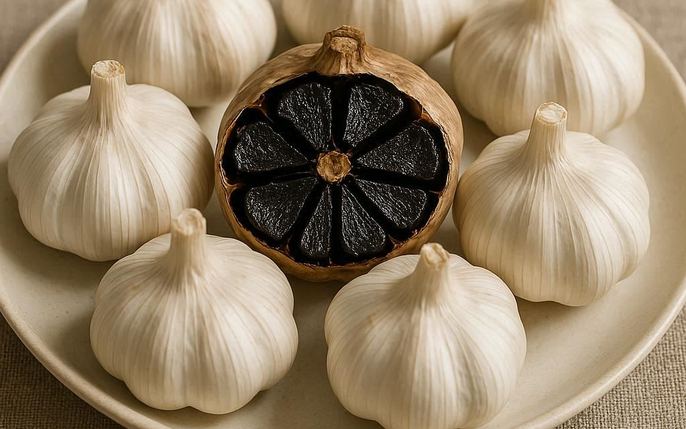
Taste and Culinary Value (Not Just Nutrition)
Taste matters and it affects how often people actually consume something.
-
Regular garlic: sharp, spicy, pungent
-
Black garlic: sweet, molasses-like, balsamic, umami
Because black garlic tastes better to many people:
-
It’s easier to eat consistently
-
It works in sauces, spreads, and even desserts
-
No strong after-smell
From a practical health perspective, something eaten regularly often beats something avoided.
Is Black Garlic Overhyped?
Yes - if people think:
-
It is a miracle cure
-
It replaces all benefits of raw garlic
-
More is always better
No - if people understand:
-
It is a processed form with different strengths
-
It excels in antioxidant support and digestibility
-
It complements, not replaces, regular garlic
Black garlic is not “better” in every way - it is better for specific goals.
When Regular Garlic Is the Better Choice
-
Short-term immune boost
-
Antimicrobial or antibacterial needs
-
Traditional cooking where garlic flavor matters
-
Budget-friendly daily use
Raw or lightly cooked garlic still has a strong place in a healthy diet.
When Black Garlic Is the Better Choice
-
Long-term antioxidant support
-
Cardiovascular protection
-
Sensitive stomach or digestive issues
-
Daily functional food use
-
People who dislike garlic smell or harshness
Final Verdict: Is Black Garlic as Good as People Think?
Yes - but not for the reasons most people assume.
Black garlic is not a “stronger garlic.” It is a transformed garlic.
-
Less aggressive
-
More antioxidant-rich
-
Easier to digest
-
More enjoyable to eat
Regular garlic remains powerful, raw, and medicinal. Black garlic is smoother, more stable, and lifestyle-friendly.
The smartest approach is not choosing one over the other - but knowing when each one actually makes sense.
In nutrition, context beats hype every time.