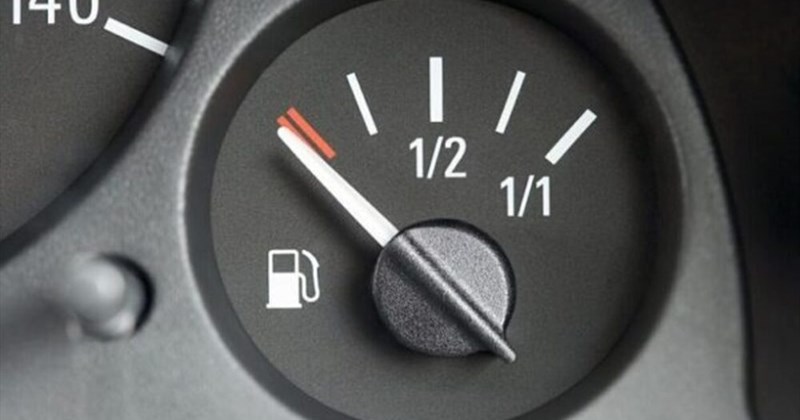
You’ve probably seen it thousands of times and never really noticed it.
On your car’s dashboard, right next to the fuel pump icon, there’s often a tiny arrow. It’s small, easy to ignore, and never explained when
people learn how to drive. Yet that little arrow solves one of the most common everyday driving problems and most people still don’t know
what it does.
Once you know, you’ll never unsee it.
The Arrow’s Job Is Simple (and Genius)
That arrow tells you which side of the car your gas tank is on.
-
Arrow pointing left → fuel door is on the left side
-
Arrow pointing right → fuel door is on the right side
That’s it. No tricks. No symbols to decode.
And yet, this tiny design detail quietly saves time, embarrassment, and unnecessary guesswork - especially when driving unfamiliar cars.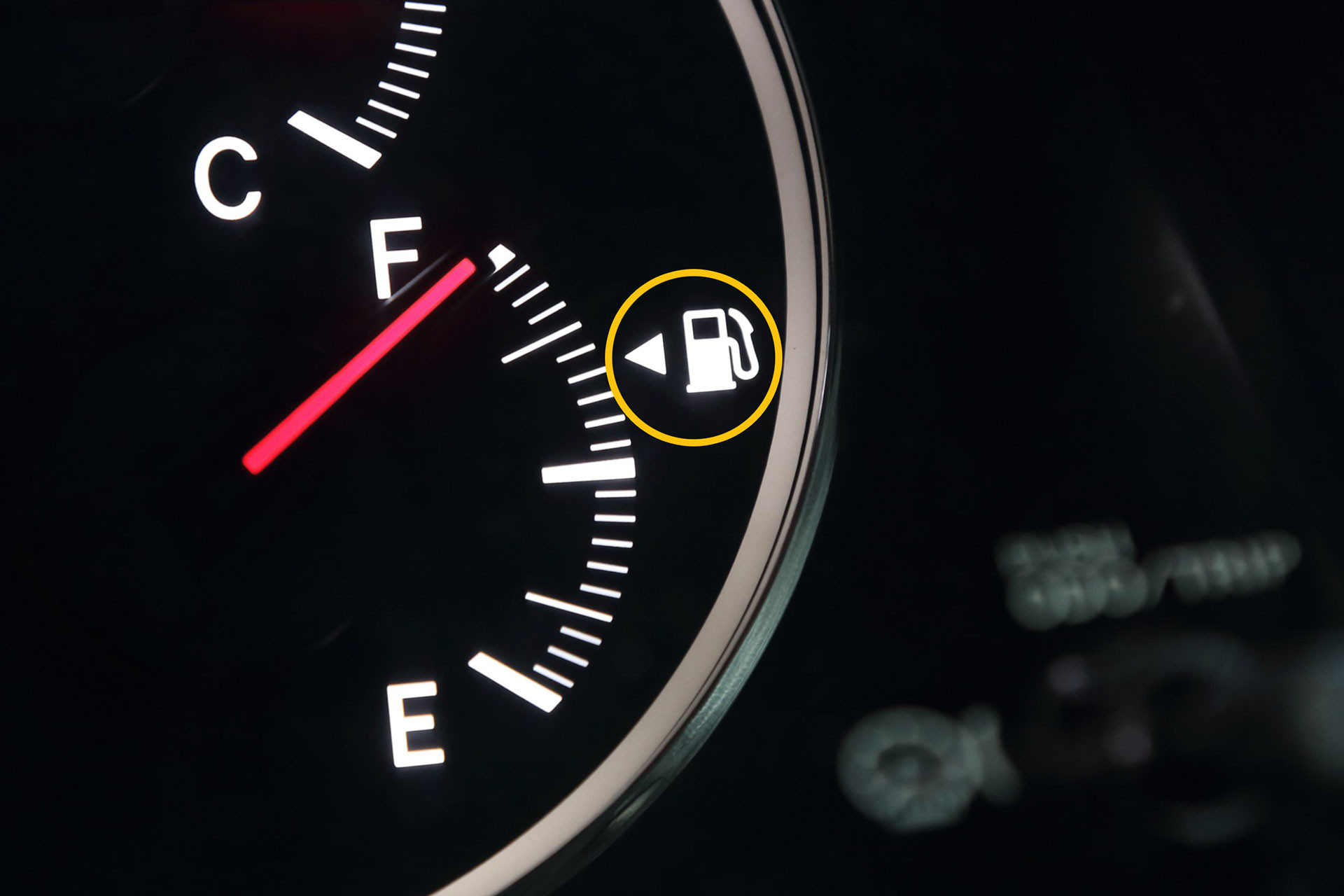
Why So Many People Miss It
There are a few reasons this feature flies under the radar:
1. Nobody teaches it
Driver’s education focuses on rules of the road, not dashboard design logic.
2. It’s visually subtle
The arrow is intentionally small so it doesn’t distract from more important warnings.
3. Most people drive the same car for years
Muscle memory takes over. People just “know” which side their tank is on - until they don’t.
4. Rental cars expose the problem
The moment people switch cars, the confusion hits hard.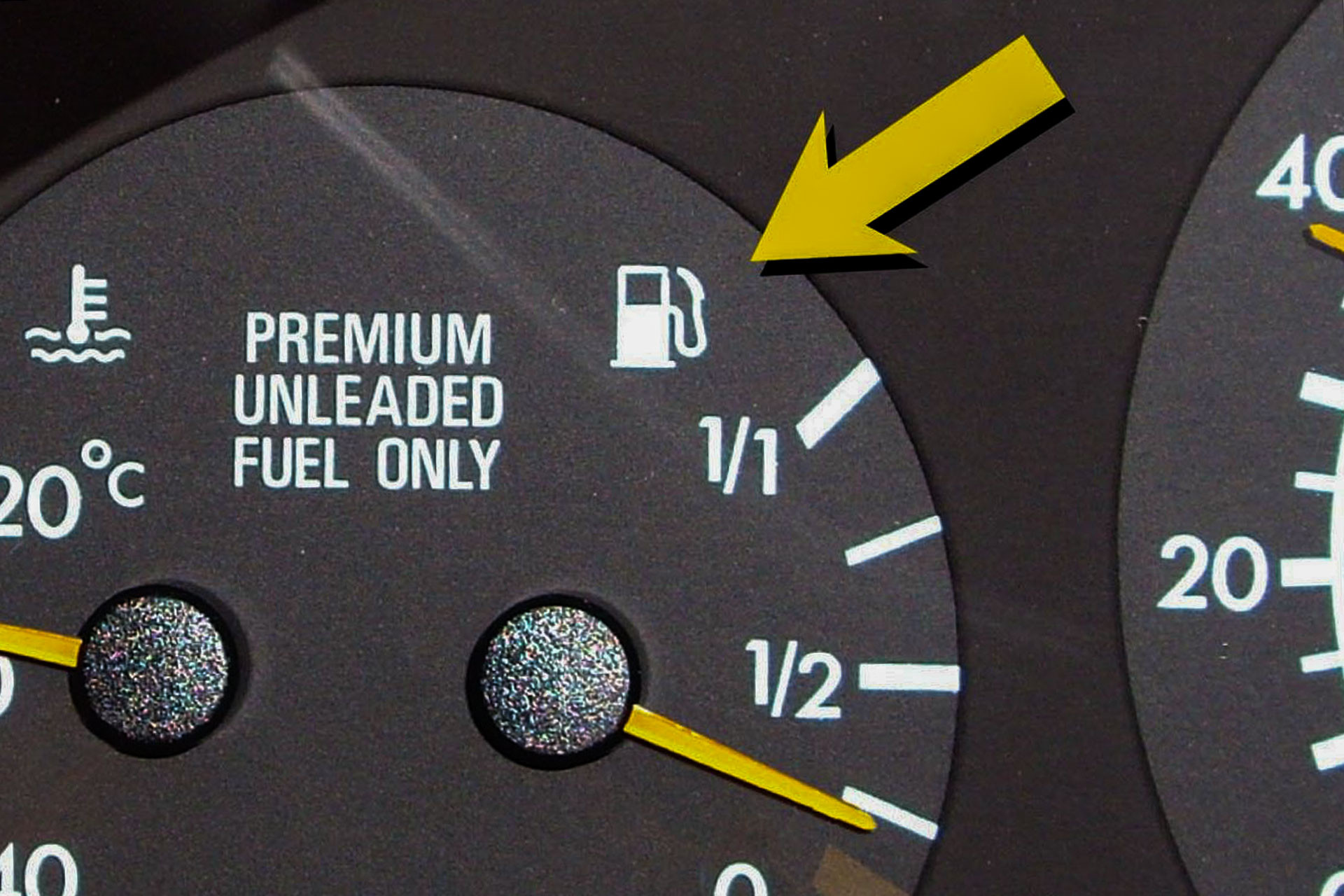
Before the Arrow Existed, Guesswork Ruled
Before manufacturers standardized this feature, drivers relied on:
-
Memory
-
Trial and error
-
Pulling up to the pump and hoping for the best
-
Or doing the awkward drive-around when they guessed wrong
The arrow was introduced as a human-centered design solution - a quiet fix for a very real annoyance.
It’s not flashy, but it’s smart.
Why This Matters More Than It Seems
This arrow is a perfect example of good design hiding in plain sight.
It:
-
Reduces cognitive load
-
Prevents small but frequent mistakes
-
Helps drivers under stress or distraction
-
Works instantly without explanation
That’s elite-level usability.
No manual. No alert. Just a symbol that does its job when needed.
Why Some Cars Don’t Have It
Not every vehicle includes the arrow, especially:
-
Older models
-
Certain budget or base trims
-
Some motorcycles or specialty vehicles
In cars without the arrow, there’s a backup trick:
Look at the fuel pump icon. Sometimes the hose is drawn on the side where the fuel door is located—but this is less reliable than the arrow.
Once You Know, You Start Noticing Everything
After learning this, most people experience two things:
-
A brief “How did I not know this?” moment
-
Immediate use of the arrow every time they drive a new car
It turns into one of those small pieces of knowledge that feels oddly powerful - like a life hack that was always there, waiting.
Why This Feature Is So Brilliantly Human
The arrow exists because designers understood something important:
People don’t want more information.
They want clear information at the exact moment it’s needed.
When you’re pulling into a gas station, you don’t want to think.
You want certainty.
That arrow gives it to you in half a second.
The Bigger Lesson Hidden in a Tiny Symbol
This isn’t really about cars.
It’s about how many helpful systems, signals, and solutions exist around us—quietly doing their job—while going completely unnoticed.
The world is full of:
-
Smart design people never learn
-
Tools people use without understanding
-
Details that only matter when you suddenly need them
And once someone points them out, they feel obvious.
Final Thought
That little arrow next to the gas gauge isn’t random. It isn’t decoration. It isn’t optional fluff.
It’s one of the most practical design choices in modern cars and millions of people drive past it every day without ever knowing what it means.
Now you do.
And next time you pull into a gas station - especially in a car you’ve never driven before you’ll feel just a little more in control.