At first glance, a bathroom tucked under the stairs seems like a smart use of space. Many homeowners see the empty triangle beneath a staircase and think: perfect spot for a compact powder room. The idea sounds efficient, modern, and practical—especially in small homes where every square meter matters. However, experienced builders often raise a red flag. As the caption in the image warns: “Don’t put a bathroom under the stairs. I wouldn’t do it, even with an unlimited budget.” That’s a strong statement—and it’s worth exploring why.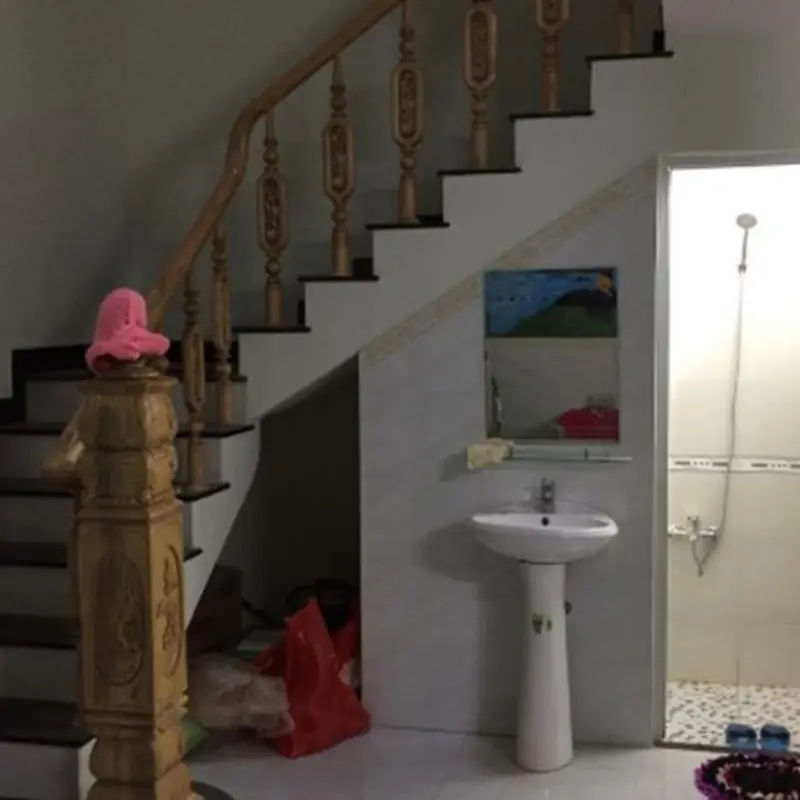
1. The Space Looks Convenient, But It’s a Design Trap
Bathrooms demand more than just a door and a toilet. Even a small one needs ventilation, plumbing access, waterproofing, and enough headroom for comfort. The space under stairs is awkward and sharply limited. Sloped ceilings can force uncomfortable layouts where users have to bend, twist, or avoid hitting their heads. The result often feels cramped, dark, and unwelcoming.
In many cases, what you “save” in space you lose in usability. A bathroom should feel functional, clean, and easy to maintain—not like an afterthought squeezed into leftover room.
2. Headroom and Comfort: A Daily Problem
Under-stair bathrooms commonly fail in one major area: height clearance. Depending on the staircase angle, you may only have full standing height in a small portion of the room. This creates design compromises such as placing the sink or toilet in an unnatural position.
Imagine using the toilet where the ceiling slopes down right above your head. Even if it’s technically allowed by local building rules, it often feels uncomfortable and can become a long-term regret, especially for taller guests.
3. Plumbing Complexity and Hidden Costs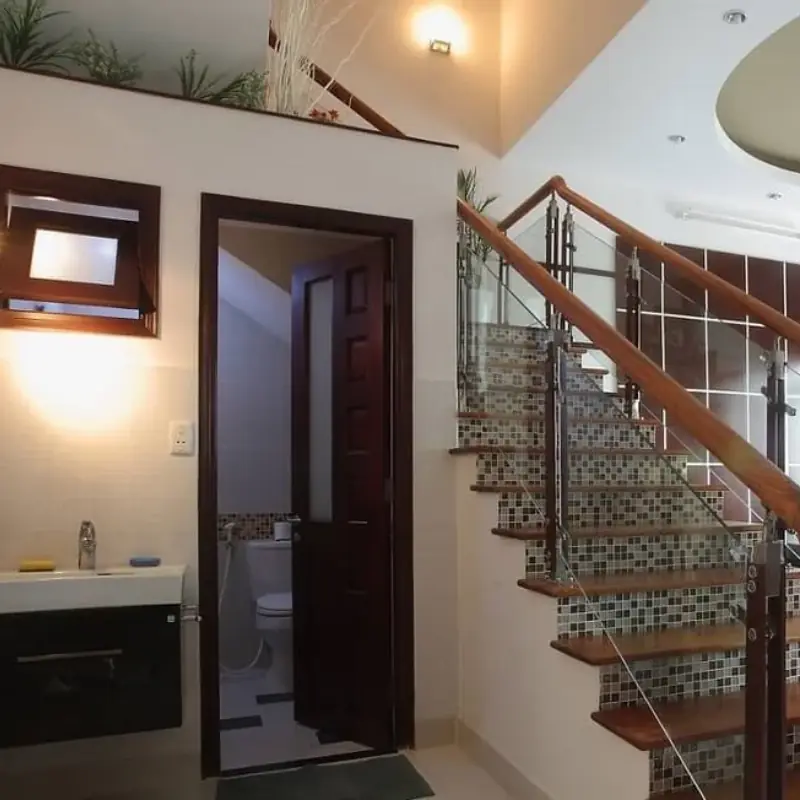
Bathrooms are expensive because water systems are complex. Under-stair locations can make plumbing a nightmare. Drain pipes require proper slope and access points. If the under-stair space is far from existing plumbing lines, builders may need to cut into floors, reroute pipes, or even add a sewage pump system.
Even with an unlimited budget, complexity increases the chances of future issues—like clogs, leaks, odor problems, or difficult repairs. A standard bathroom placed near a plumbing stack is far easier, cheaper, and safer.
4. Ventilation and Moisture Risks
Bathrooms produce humidity. Without strong ventilation, moisture becomes trapped and leads to mold, peeling paint, musty smells, and structural damage. Under-stair bathrooms are often located near the center of a home, far from exterior walls—making it difficult to install a direct vent.
If ventilation relies on long duct runs or weak fans, performance drops. Over time, moisture can damage not only the bathroom but also the staircase structure above it.
5. Noise and Privacy Concerns
Placing a bathroom under stairs can create awkward noise issues. Staircases act like amplifiers, transferring sound through the structure. When someone flushes, runs water, or closes doors, the sound may travel upstairs or across the living area.
Additionally, staircases are high-traffic zones. A bathroom in the middle of a hallway or near the living room can reduce privacy and make guests feel exposed.
6. Resale Value and Buyer Perception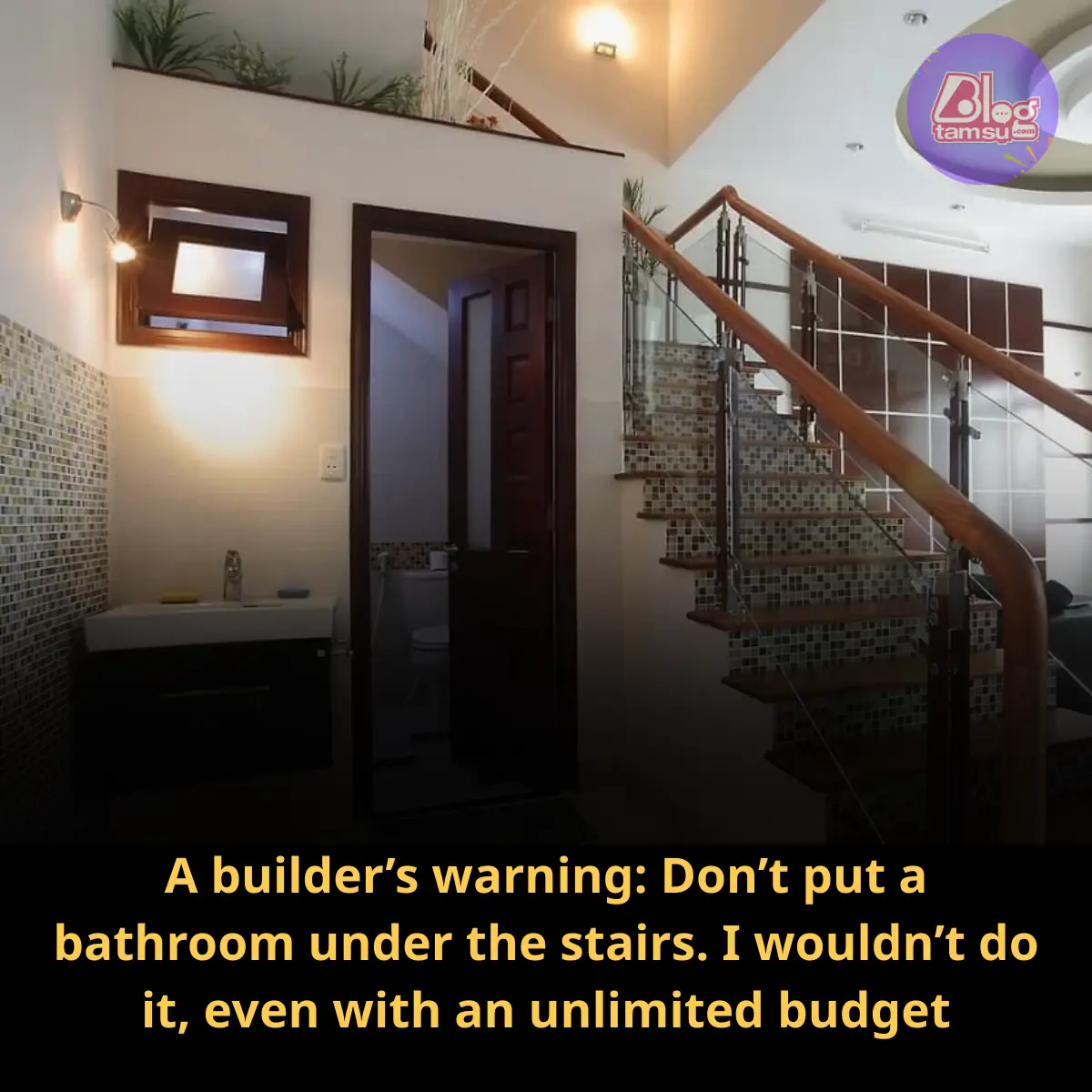
While some buyers appreciate clever space-saving solutions, many view under-stair bathrooms as a sign of poor planning. If it feels tight or strange, it may hurt resale appeal. Buyers often prefer layouts that prioritize comfort and practicality—especially in key areas like kitchens and bathrooms.
A home can have excellent finishes and still feel “wrong” if critical spaces are uncomfortable.
7. Better Alternatives for That Space
Instead of forcing a bathroom under the stairs, consider other high-value uses:
-
Storage closet or pantry
-
Built-in shelves
-
Laundry nook
-
Reading corner
-
Pet space
-
Small office desk area
These options use the awkward shape effectively without requiring plumbing or heavy waterproofing.