Have You Ever Stayed in a Hotel and Wondered What This Piece of Fabric Is For?
Almost everyone who has stayed in a hotel has seen it: a long, narrow piece of fabric laid across the foot of the bed. Some people remove it immediately. Others leave it untouched. Many travelers admit they have no idea what it is actually used for.
This item is commonly known as a bed runner, and while it may look decorative, it serves several practical purposes that most guests never think about.

What Is This Fabric Called?
The fabric shown in the image is called a bed runner (sometimes referred to as a bed scarf).
It is usually:
-
Placed horizontally across the lower third of the bed
-
Made from thicker, more durable fabric than sheets
-
Designed in darker or richer colors
Bed runners are standard in many hotels, from budget accommodations to luxury resorts.
1. Hygiene and Cleanliness Protection
One of the main reasons bed runners exist is hygiene.
Guests often:
-
Sit on the bed with clothes on
-
Place handbags, backpacks, or jackets on the bed
-
Set down items that have been on the floor or outdoors
The bed runner acts as a protective barrier, preventing dirt, bacteria, and germs from reaching the clean sheets and duvet underneath.
Hotels wash sheets frequently, but bed runners are designed to handle contact with everyday items more effectively.
2. A Place to Sit Comfortably
Many guests naturally sit at the foot of the bed to:
-
Put on or remove shoes
-
Pack or unpack luggage
-
Rest briefly
The bed runner provides a designated sitting area that helps keep the main bedding clean and wrinkle-free. Its thicker material also offers slightly more durability than standard sheets.
3. Visual Balance and Design
Bed runners play a key role in hotel room aesthetics.
From a design perspective, they:
-
Add contrast to plain white bedding
-
Match curtains, cushions, or wall décor
-
Make the bed look more structured and polished
Hotels carefully choose bed runner colors to create a cohesive and upscale appearance, even in smaller rooms.

4. Brand Identity and Recognition
In many hotels, the bed runner is part of the brand’s visual identity.
It may:
-
Feature the hotel logo
-
Use signature colors
-
Reflect the theme or culture of the hotel
This subtle detail helps reinforce branding and makes rooms feel more distinctive rather than generic.
5. Psychological Comfort for Guests
Clean white bedding can sometimes feel intimidating to guests who worry about making a mess. The bed runner provides a “safe zone” where guests feel more comfortable placing personal items.
This small design choice helps guests relax and use the space more naturally.
Why Many People Remove It
Despite its purpose, many travelers choose to remove the bed runner as soon as they enter the room.
Common reasons include:
-
Belief that it is decorative only
-
Concern that it is not washed as frequently
-
Preference for a simpler bed setup
While practices vary by hotel, reputable hotels regularly clean bed runners, though not always as often as sheets.
Is It Safe to Use?
In most professional hotels:
-
Bed runners are cleaned on a regular schedule
-
They are made from fabrics that tolerate frequent washing
However, if a guest feels uncomfortable, there is no problem removing it. The bed runner is optional for guest use and comfort.
Why Hotels Continue to Use Them
Despite mixed opinions, hotels continue using bed runners because they:
-
Protect bedding
-
Improve room presentation
-
Enhance guest convenience
-
Support branding and design consistency
From a hotel management perspective, bed runners are a practical and cost-effective solution.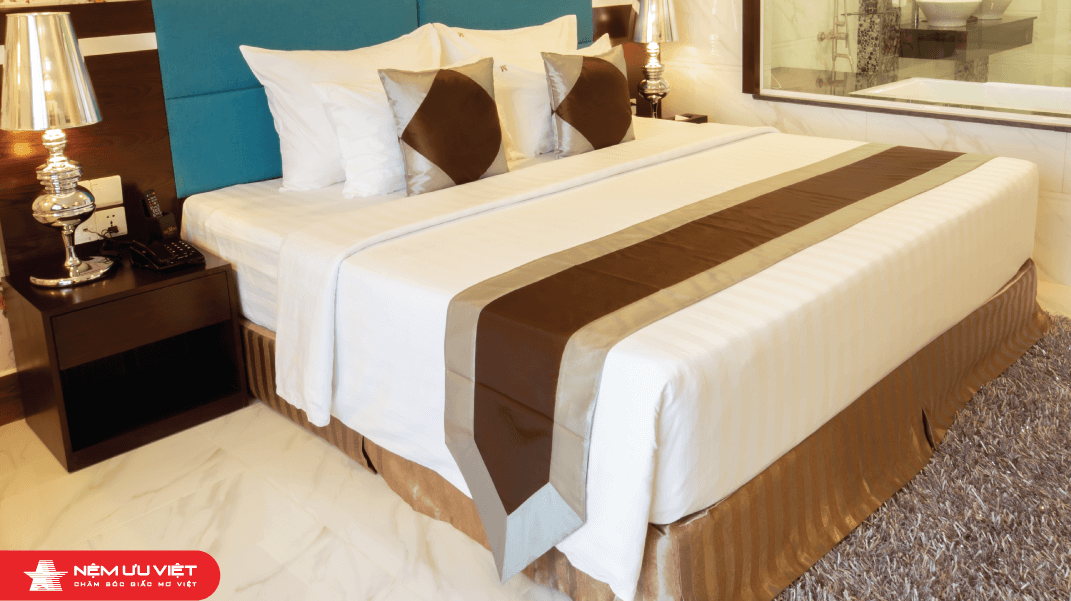
Final Thoughts
That mysterious piece of fabric at the foot of the hotel bed is far more than decoration. It serves as a protective layer, a seating area, a design element, and a branding tool—all in one.
The next time you check into a hotel, you’ll know exactly why it’s there. Whether you choose to use it or remove it, understanding its purpose adds a small but interesting insight into how hotels balance cleanliness, comfort, and design.
Sometimes, the most overlooked details are the most thoughtfully designed.