Trying to Save Money, Many People Accidentally Bring Serious Danger Into Their Homes
Saving money is a good habit. However, doctors, safety experts, and consumer protection agencies warn that choosing the cheapest option without considering safety can sometimes put lives at risk.
In daily life, many households unknowingly use products that are poorly made, uncertified, or unsafe, simply because they are cheaper. Over time, these items can increase the risk of fire, poisoning, electric shock, or long-term health damage.
Here are five things experts recommend thinking twice about before buying, no matter how much money you want to save.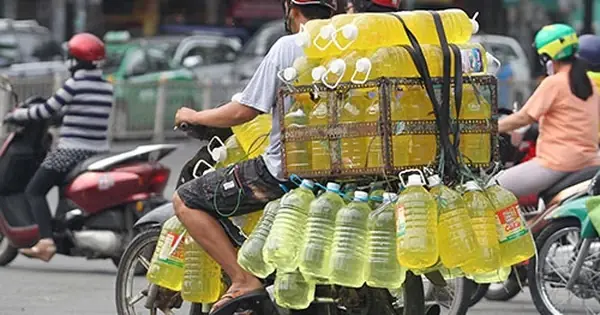
1. Extremely Cheap Electrical Devices and Power Cables
Low-quality electrical products are among the leading causes of household fires.
Common risks include:
-
Poor insulation
-
Overheating
-
Short circuits
-
Fake safety labels
Cheap chargers, extension cords, and power strips may look harmless, but they can fail silently and cause serious accidents.
Experts advise choosing products with clear safety certification, even if they cost slightly more.
2. Low-Cost Cooking Utensils and Food Containers
Some very cheap cookware and plastic containers may release harmful substances when exposed to heat.
Potential dangers include:
-
Toxic chemical leakage
-
Metal contamination
-
Long-term exposure risks
Using unsafe materials for daily cooking can affect health gradually, without obvious symptoms at first.
3. Bargain Cleaning Products With Unknown Ingredients
Cleaning products sold at extremely low prices often lack proper labeling.
Possible risks:
-
Skin irritation
-
Breathing problems
-
Chemical reactions when mixed
-
Unsafe fumes in closed spaces
Experts warn that cheap does not always mean mild — some low-cost products are actually more aggressive and poorly regulated.
4. Low-Quality Gas Appliances or Accessories
Gas stoves, heaters, and connectors must meet strict safety standards.
Cheap alternatives may have:
-
Weak seals
-
Faulty valves
-
Poor durability
Gas leaks are dangerous and can be fatal if undetected.
This is one area where saving money is never worth the risk.
5. Inexpensive Mattresses, Pillows, and Bedding
Some low-cost bedding products are made from poor-quality materials that may contain:
-
Industrial chemicals
-
Unstable foam
-
Strong chemical odors
Since people spend many hours sleeping, long-term exposure can affect respiratory health and sleep quality.
Why Cheap Choices Can Become Dangerous Over Time
The biggest problem is that many unsafe products do not cause immediate harm. Instead, risks accumulate slowly.
According to safety specialists:
-
Fires often start from unnoticed electrical faults
-
Health issues develop after long-term exposure
-
Accidents happen when products fail unexpectedly
Saving money upfront may lead to much higher costs later — including medical bills or worse.
How to Save Money Without Sacrificing Safety
Experts recommend:
✔️ Checking safety certifications
✔️ Reading ingredient and material labels
✔️ Avoiding products with unclear origins
✔️ Investing more in high-risk household items
✔️ Saving on low-risk items instead
Smart spending is not about buying the cheapest option — it is about buying the right one.
Final Message
Trying to save money is understandable.
But when it comes to household safety, cheap choices can carry hidden dangers.
Sometimes, the real cost is not on the price tag —
but on health and life itself.