Health Warning: 4 Types of Electric Kettles You Should Stop Using Immediately
Electric kettles are a common household appliance, valued for their convenience and speed. However, experts warn that not all electric kettles are safe. Certain designs and materials may release harmful substances when exposed to high heat, potentially increasing long-term health risks.
Recent discussions among consumer safety specialists and medical professionals have raised concerns about four types of electric kettles that should be avoided or replaced as soon as possible.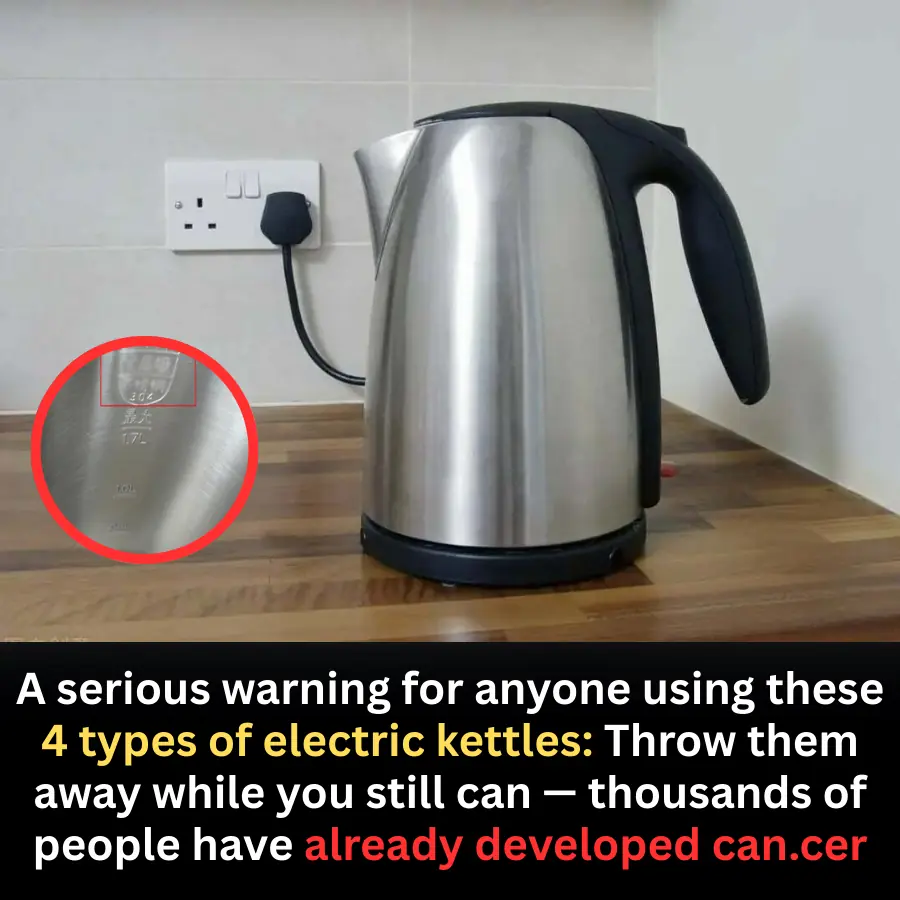
1. Electric Kettles with Low-Quality Plastic Interiors
Some electric kettles use inferior plastic liners inside the boiling chamber. When repeatedly heated:
-
These plastics may release toxic chemicals such as BPA or other endocrine disruptors.
-
Prolonged exposure may affect hormone balance and increase cancer risk.
If the inside of the kettle is plastic rather than stainless steel or glass, extra caution is advised.
2. Kettles with Peeling or Damaged Coatings
Kettles with non-stick or anti-scale coatings that are scratched, peeling, or discolored can be dangerous.
-
High temperatures may cause the coating to break down.
-
Tiny particles can mix into boiling water and enter the body over time.
Once coating damage appears, replacement is strongly recommended.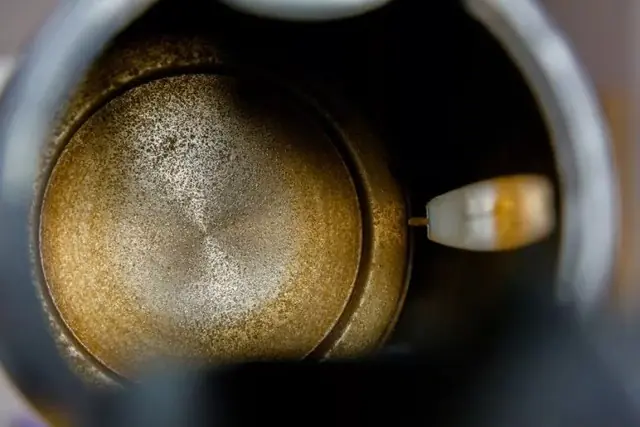
3. Kettles Made from Inferior Stainless Steel
Not all stainless steel is food-grade. Low-quality alloys may contain excessive heavy metals.
-
When heated repeatedly, trace metals may leach into water.
-
Long-term intake could burden the liver and kidneys.
Look for kettles labeled food-grade stainless steel (304 or 316) for safer use.
4. Old or Poorly Maintained Electric Kettles
Kettles used for many years without proper cleaning may accumulate:
-
Mineral scale that traps impurities
-
Residues that degrade under heat
Aging electrical components may also cause uneven heating, increasing chemical release risks.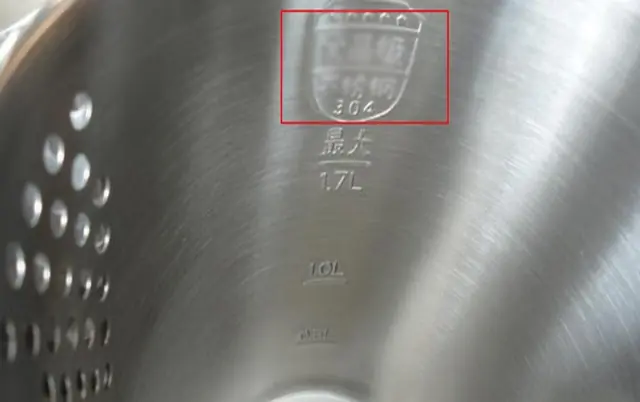
What Experts Recommend
-
Choose kettles made of glass or certified food-grade stainless steel
-
Avoid plastic interiors that come into direct contact with boiling water
-
Replace kettles showing signs of wear, odor, or discoloration
-
Clean kettles regularly to remove scale buildup
The Bottom Line
Electric kettles boil water quickly, but safety should never be compromised for convenience. If your kettle matches any of the types listed above, replacing it sooner rather than later may help reduce unnecessary health risks.
Sometimes, protecting your health starts with the appliances you use every day.