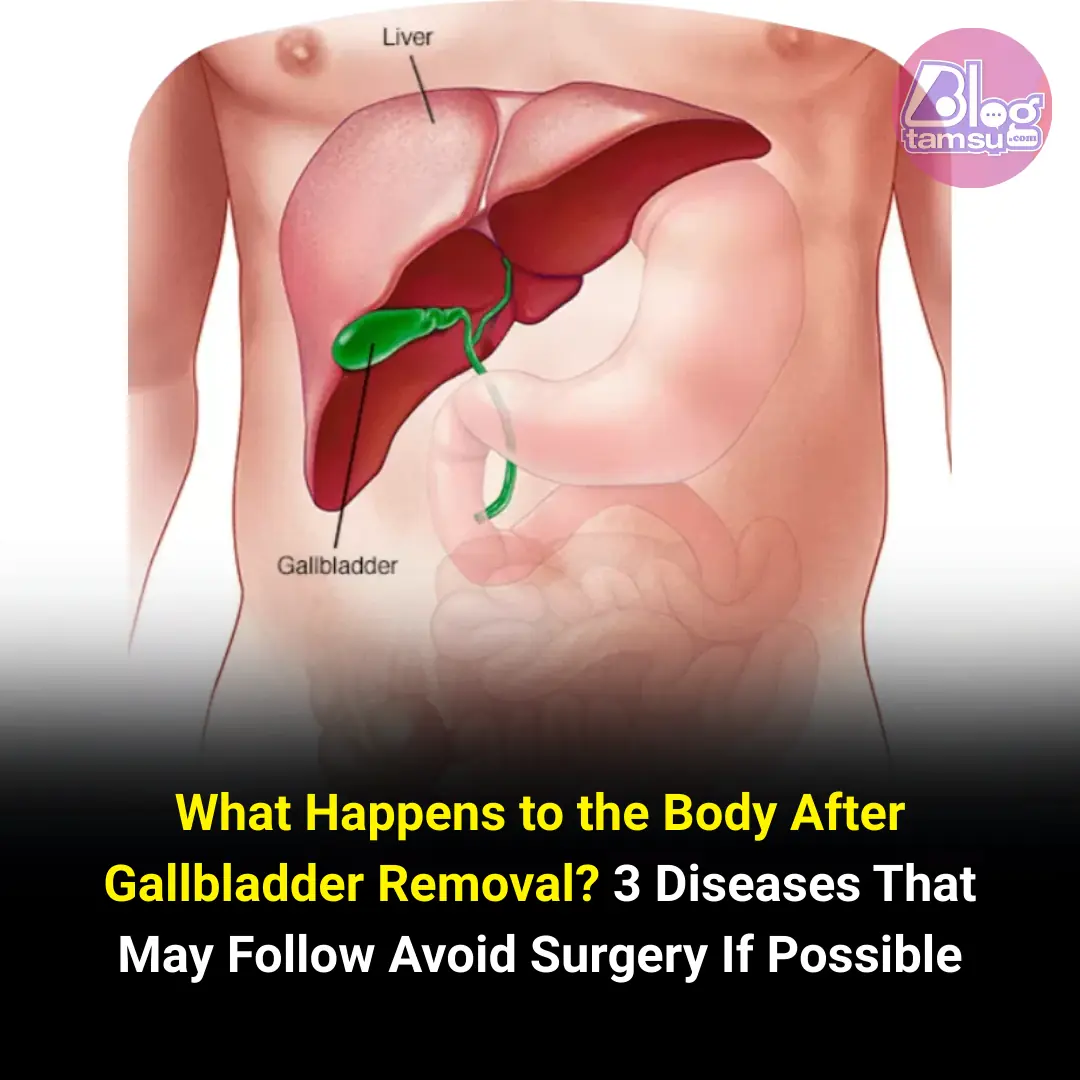
The gallbladder is a small, pear-shaped organ located just under the liver. It’s function is to store and release bile, a greenish-colored fluid that helps your body digest fats.
This tiny but significant organ can be affected by several conditions – one of the most common ones being gallstones. Also, the gallbladder can be affected by acute cholecystitis, gallstone pancreatitis, and rarely, gallbladder cancer.
When any of these conditions affect the organ, it results in pain that can also be felt on other parts of the body, including the back or chest. At the same time, gallbladder issues can cause fever, itching, tiredness, feeling bloated, and feeling like throwing up.
Most of these conditions are treated by a complete removal of the gallbladder, which isn’t considered an essential organ.
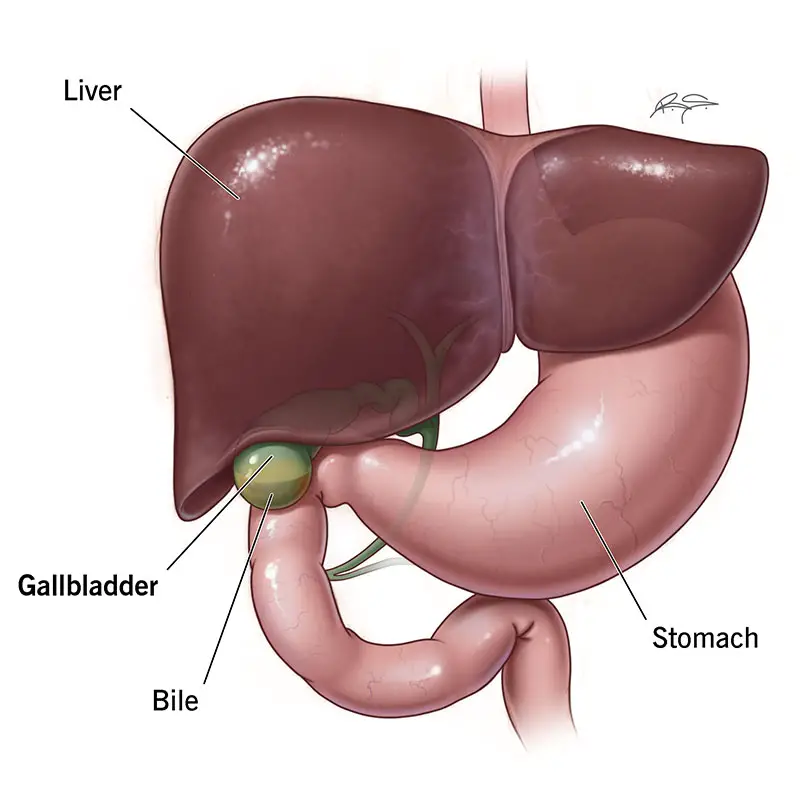
Following the surgery, people continue living a normal life, but as per the Mayo Clinic, there are certain side effects that appear right after surgery, such as diarrhea caused by an irritated bowel due to the bile that without a gallbladder flows directly into the intestines, and bloating.
Complications, that are relatively rare since the procedure is considered safe, are bleeding, injury of the bile duct, bile leakage, deep vein thrombosis, or injuries to the intestine, bowel and blood vessels.
Postsurgery, patients are advised to avoid greasy and fatty foods.
The changes in diet lead to weigh loss at a great number of patients.
Doctors advice that during the first days post-surgery patients consume liquids, gelatine, broth. They should move to small portions of solid food gradually.
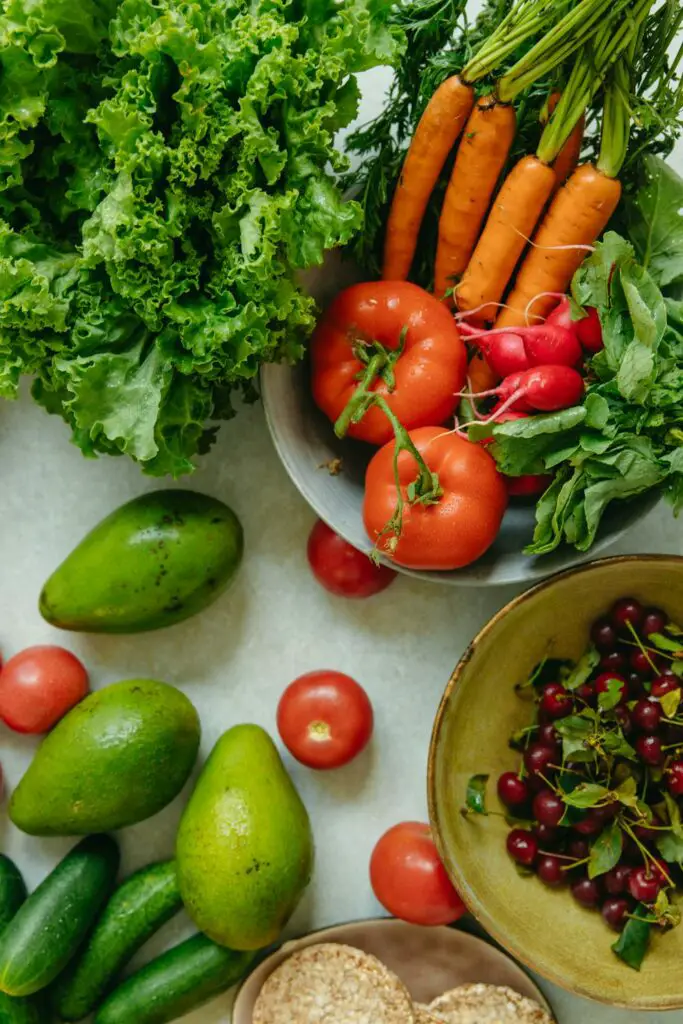
The post-surgery diet should be rich in low-fat foods such as beans, oatmeal, whole grains, vegetables, fruits, and fat-free dairy products. A couple of days after the surgery, patients can introduce foods that are high in fiber, such as prunes, oat bran, chickpeas, beets, and okra. Also, they can consume foods high in soluble fiber such as wheat germ, legumes, carrots, nuts, potatoes, and spinach.
Foods to avoid post-surgery include high-fat foods such as lard, butter, bacon fat, hot dogs, salami, processed baked goods, and pork. Also, try to avoid high-sweetened foods and caffeine.
Most people return to work and their everyday activities two weeks to a month after the gallbladder removal surgery
Certain diseases that may follow after this surgery include:
1. Reflux Gastritis
After the gallbladder is removed, bile becomes weaker and less concentrated. Eating heavy or fatty foods can trigger bloating, diarrhea, and even bile reflux, which may lead to reflux gastritis.
2. Colon Cancer
Gallbladder removal raises secondary bile acids, which can irritate the colon and increase colon cancer risk. Research shows people without a gallbladder have a slightly higher chance of developing colon cancer, so surgery should be a last resort.
3. Common Bile Duct Stones
With no gallbladder to store bile, the common bile duct takes over and becomes more pressured and stretched. Over time, stagnant bile can lead to bile duct stones.