When Someone in the Family Passes Away: Never Keep These 4 Items at Home
The passing of a loved one is one of the most emotionally fragile moments in life. Beyond grief and mourning, many cultures believe that what remains after death carries powerful spiritual energy—both protective and harmful.
Across generations, elders and spiritual practitioners have passed down one important warning: certain personal items should never be kept in the home after someone passes away, as they may disrupt emotional balance, spiritual peace, and even the well-being of the living.
Why Objects After Death Matter Spiritually
In many spiritual traditions, death is not an instant separation. It is believed that energy lingers, especially in objects that were closely connected to the deceased.
These items may:
-
Hold emotional imprints
-
Anchor unresolved attachments
-
Prevent both the living and the departed from finding peace
This is why rituals of release, cleansing, or removal are deeply respected across cultures.
1. Clothing Worn at the Time of Death
Clothes worn during the final moments are considered the strongest carriers of residual energy.
Why they are dangerous to keep
-
They are associated with pain, fear, and physical suffering
-
They can trigger recurring sadness or nightmares
-
Some believe they attract stagnant or negative energy
What should be done instead
-
Donate or burn them according to cultural customs
-
Avoid reusing or storing them “for memory”
Keeping these clothes is believed to trap emotional pain inside the home.
2. Personal Jewelry or Amulets
Rings, necklaces, bracelets, or spiritual charms worn daily by the deceased often hold deep personal and energetic bonds.
Why caution is necessary
-
Jewelry absorbs long-term emotional and spiritual energy
-
Wearing it may cause emotional heaviness or unease
-
In spiritual belief, it can blur the boundary between the living and the departed
Recommended action
-
Perform a proper cleansing ritual before passing it on
-
If unsure, avoid wearing it entirely
Sentiment does not always outweigh spiritual risk.
3. Mirrors from the Deceased’s Room
Mirrors are considered spiritual gateways in many traditions.
Why mirrors are sensitive
-
They are believed to reflect and store energy
-
A mirror near the place of death may retain unsettled spirits
-
Some cultures believe mirrors can invite disturbances or insomnia

What elders often advise
-
Cover mirrors immediately after death
-
Replace or remove mirrors from the room entirely
Ignoring this advice is often associated with restless energy in the household.
4. Items Linked to Strong Emotional Attachment
This includes:
-
Pillows and bedding
-
Favorite chairs or personal items
-
Diaries or unfinished letters
Why these items are risky
-
They reinforce emotional dependence
-
They may prevent emotional healing
-
They keep grief “alive” instead of allowing closure
Holding on too tightly can delay the natural process of acceptance.
The Emotional and Spiritual Impact on the Living
Keeping these items is believed to cause:
-
Prolonged sadness or depression
-
Recurring dreams of the deceased
-
A feeling of heaviness or discomfort at home
-
Emotional stagnation
Even without spiritual belief, psychologists agree that constant exposure to reminders can slow emotional recovery.
Letting Go Is Not Forgetting
One of the biggest misunderstandings is believing that releasing items means erasing memories.
In truth:
-
Memories live in the heart, not objects
-
Letting go is an act of respect
-
It allows both sides to move forward peacefully
Many cultures believe that true love includes knowing when to release.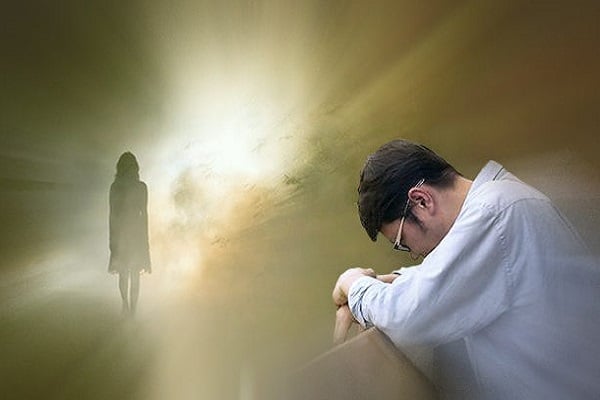
What You Can Keep Safely
Not everything must go.
Safe items often include:
-
Photos placed respectfully
-
Ashes or urns handled according to ritual
-
A small, symbolic keepsake after proper cleansing
The key is intention and balance.
Final Thoughts
Death marks a transition, not only for the departed but for those left behind. Objects connected to loss can quietly influence emotions, energy, and mental health.
Knowing what to release is part of healing.
Knowing what not to keep is a form of protection.
If an item brings unease instead of comfort, trust that feeling. Peace in the home begins with conscious letting go.