Many people believe a heart attack strikes suddenly—without warning. But doctors say the body often sends subtle signals weeks or even months before a serious cardiac event. In fact, some warning signs can appear up to 3 months early, yet many people dismiss them as stress, fatigue, or “just getting older.”
The image above highlights two common clues: swollen, discolored feet and a person clutching their chest in discomfort. These signs may seem unrelated, but they can both point to one dangerous issue—your heart may be struggling to pump blood properly.
Below are 5 early heart attack warning signs that doctors urge everyone to recognize before it’s too late.
1. Swollen Feet or Ankles (Edema)
Swelling in the feet, ankles, or lower legs is often ignored, especially after a long day of standing. But doctors warn that fluid retention can be a sign of poor circulation and heart strain.
When the heart weakens, it can’t pump blood efficiently. This causes fluid to build up in the lower body. If your feet are swollen for days, especially in the evening, it may indicate early heart failure or heart disease, which increases heart attack risk.
✅ Watch for: tight shoes, sock marks, puffiness around ankles, swelling that worsens over time.
2. Chest Pressure or Mild Chest Discomfort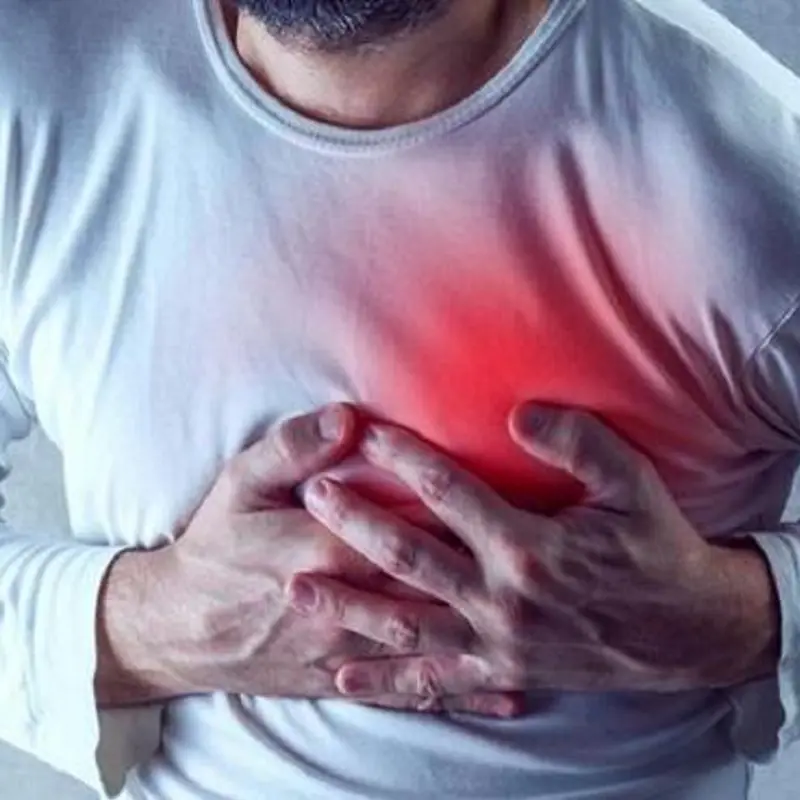
Not every heart attack starts with extreme pain. Many people experience mild pressure, heaviness, or burning in the chest weeks before the real event.
Some describe it as indigestion, muscle strain, or “something not right.” If the discomfort appears during activity or stress and improves with rest, it could be angina, an early warning of reduced blood flow to the heart.
✅ Warning sign: chest discomfort that returns repeatedly—even if it’s not severe.
3. Unusual Shortness of Breath
Getting out of breath from climbing stairs, walking fast, or doing normal chores may signal that the heart isn’t pumping oxygen-rich blood efficiently.
Shortness of breath may come and go and often appears before chest pain. Doctors say it’s one of the most common early symptoms people ignore—especially women.
✅ Red flag: breathlessness that feels new, sudden, or worse than usual.
4. Extreme Fatigue That Doesn’t Make Sense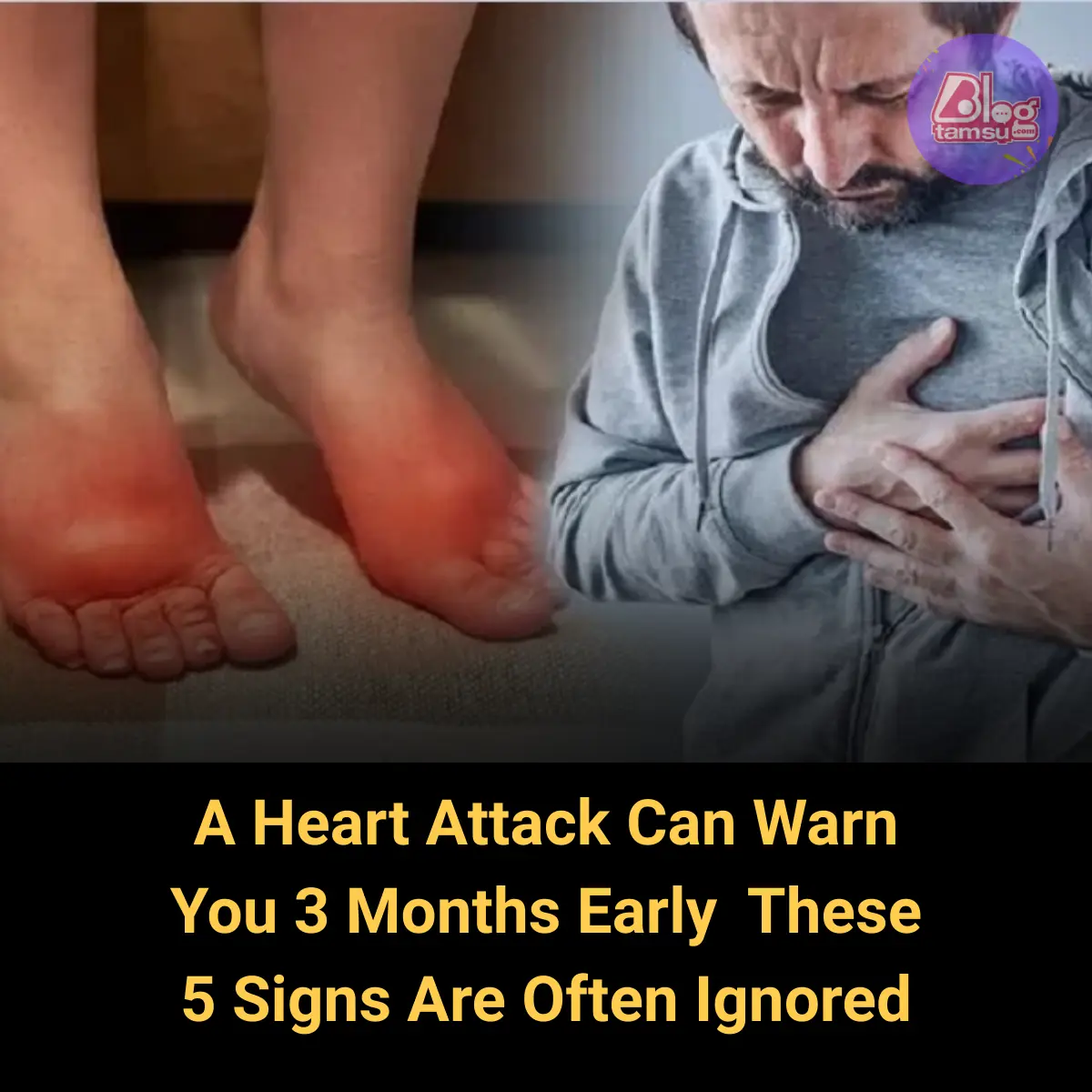
Feeling exhausted after little effort—like washing dishes, walking a short distance, or getting dressed—can be an early sign of cardiovascular trouble.
When blood flow to the heart becomes restricted, your body works harder to keep up. This can cause constant tiredness, weakness, and a feeling of being “drained,” even after rest.
✅ Look out for: fatigue that lasts days or weeks, especially when paired with other symptoms.
5. Pain in the Jaw, Arm, Back, or Upper Body
Many people think heart attack pain only happens in the chest. But doctors warn that heart-related pain may show up in other areas, including:
-
Left arm or shoulder
-
Jaw or neck
-
Upper back
-
Upper stomach area
This type of pain can feel dull, tight, or aching and may come and go.
✅ Important: If pain appears alongside shortness of breath, nausea, or sweating, seek help immediately.
What To Do If You Notice These Signs
If you experience two or more of the symptoms above—especially swelling + shortness of breath or chest pressure—do not ignore them.
✅ Doctors recommend:
-
Get your blood pressure and cholesterol checked
-
Test blood sugar levels
-
Request an ECG/heart exam if symptoms persist
-
Avoid smoking, reduce salt, and increase movement daily