Below are 20 early warning signs that may suggest cancer could be developing in your body, including the types of symptoms hinted at in the image—digestive issues, unexplained pain, and changes in skin or bodily function.
1. Unexplained Weight Loss
Losing weight without trying—especially more than 5–10% of your body weight—can be an early sign of several cancers.
2. Persistent Fatigue
Feeling exhausted even after resting may be linked to blood cancers, colon cancer, or other conditions.
3. Unusual Bleeding
Blood in urine, stool, or coughing blood should never be ignored.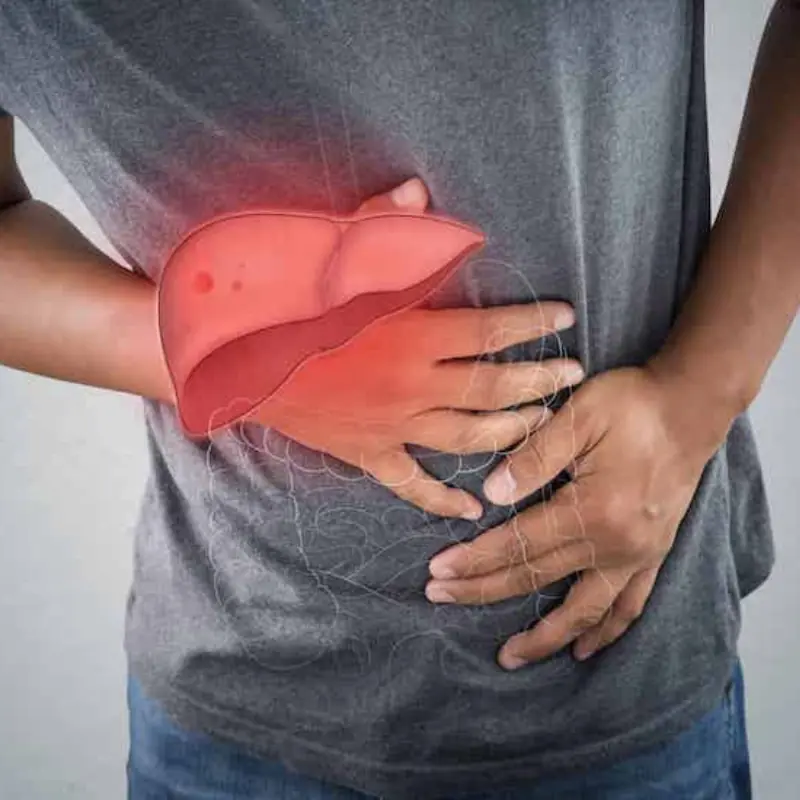
4. Changes in Bowel Habits
Constipation, diarrhea, or changes in stool shape (thin or pencil-like) lasting more than a few weeks can signal colon issues.
5. Blood in Stool
Dark, tarry, or bright red stool can indicate internal bleeding, often related to the digestive tract.
6. Ongoing Abdominal Pain or Bloating
Persistent stomach discomfort or bloating may be associated with ovarian, stomach, or colon conditions.
7. Difficulty Swallowing
If swallowing becomes painful or feels like food is stuck, it may be linked to throat or esophageal issues.
8. Persistent Indigestion or Heartburn
Frequent heartburn that doesn’t improve with medication should be evaluated.
9. A Lump or Thickening Anywhere
A new lump in the breast, neck, groin, or testicles can be a warning sign.
10. Changes in a Mole
Look out for irregular shapes, growth, bleeding, or changing color.
11. Skin Sores That Won’t Heal
A sore that stays open for weeks may indicate skin-related conditions.
12. Persistent Cough or Hoarseness
A cough lasting longer than 3 weeks can be linked to lung or throat issues.
13. Shortness of Breath
Sudden breathing trouble without a clear reason may signal something serious.
14. Chronic Pain (Especially Back or Bone Pain)
Pain that lingers and worsens without injury should not be dismissed.
15. Night Sweats
Drenching night sweats can be linked to lymphoma or infections.
16. Frequent Fevers
Unexplained, recurring fevers may indicate blood cancers or immune disorders.
17. Changes in Urination
Blood in urine, increased frequency, or pain while urinating can signal bladder or prostate issues.
18. Unusual Breast Changes
Dimpling, nipple discharge, swelling, or redness should be examined.
19. Persistent Itching or Skin Yellowing
Severe itching or yellow skin/eyes may suggest liver or bile duct problems.
20. Unexplained Pain or Burning When Using the Bathroom
Pain during bowel movements or urination may indicate irritation—or deeper concerns.
When Should You See a Doctor?
If any symptom lasts more than 2–3 weeks, becomes worse, or comes with fatigue and weight loss, it’s time to speak to a healthcare professional. Early checks like blood tests, stool tests, ultrasound, or screening procedures can rule out serious conditions—or detect problems early when treatment is more effective.