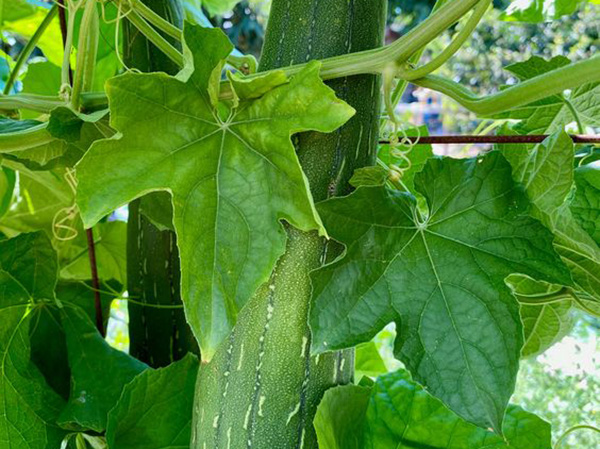
According to experienced cooks and nutrition experts, loofah, bottle gourd, and squash are valued for their naturally light, sweet, and refreshing flavor, as well as their impressive nutritional profile. When grown and prepared properly, these vegetables are gentle on the digestive system and widely used in soups, stir-fries, and juices.
However, there is one important warning that should never be ignored: if any of these vegetables taste bitter, they should not be eaten.
Why Do Loofah, Bottle Gourd, or Squash Sometimes Taste Bitter?
Under normal conditions, these vegetables should not be bitter. When bitterness appears, it is often a sign that something has gone wrong during growth or storage.
Common causes include:
-
Insect damage or pest stings
-
Polluted soil or water
-
Improper fertilization
-
Poor storage conditions after harvest
-
Nutrient deficiencies during plant growth
These stress factors can cause the plant to produce alkaloids, naturally occurring chemical compounds that give the vegetable a bitter taste.
Why Bitter Vegetables Are Dangerous
The bitterness in loofah, bottle gourd, and squash is not just unpleasant—it can be toxic.
Alkaloids are potent bioactive substances found in some plants. While small amounts of certain alkaloids are used in medicine, the human body is highly sensitive to their toxic effects when consumed unknowingly through food.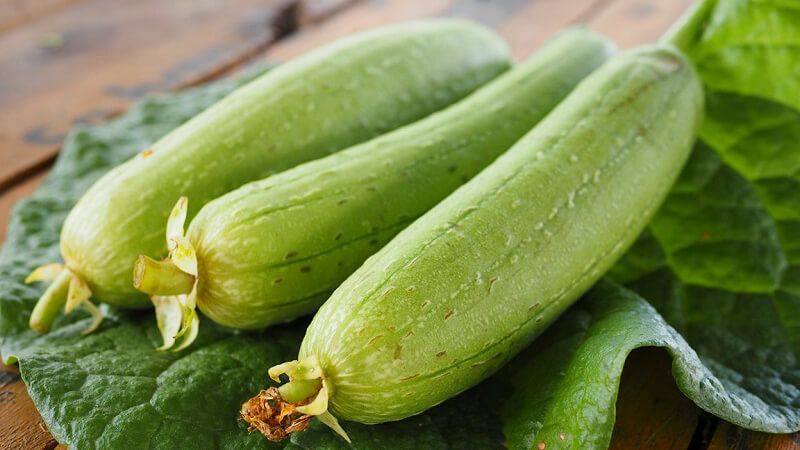
Possible Symptoms of Poisoning
After eating bitter loofah, bottle gourd, or squash, some people may experience:
-
Dizziness or lightheadedness
-
Weakness or fatigue
-
Stomach pain or cramping
-
Nausea or vomiting
-
Other signs of food poisoning
For this reason, if you notice even a slight bitterness when tasting these vegetables, stop eating immediately and discard them. Cooking does not neutralize the toxins, and continuing to eat them can pose serious health risks.
Health Benefits of Loofah, Bottle Gourd, and Squash (When Not Bitter)
When fresh, properly grown, and free of bitterness, these vegetables offer a wide range of health benefits.
1. Boosting the Immune System
Juice made from loofah, bottle gourd, or squash is often used in traditional nutrition to help regulate the body’s immune response. Their vitamins and minerals support the body’s natural defenses, helping it better resist infections and viruses.
2. Supporting Blood Sugar Control and Diabetes Prevention
These vegetables contain manganese, an essential mineral involved in the production of digestive enzymes and a metabolic process known as gluconeogenesis.
Manganese helps:
-
Promote healthy insulin secretion
-
Reduce lipid peroxidation
-
Improve mitochondrial function
Together, these effects support stable blood sugar levels and may help reduce the risk of diabetes when combined with a balanced diet.
3. Protecting Eye Health
Loofah, bottle gourd, and squash are good sources of vitamin A, which plays a crucial role in maintaining vision.
Vitamin A helps:
-
Protect the retina
-
Reduce the risk of macular degeneration
-
Support tear production and eye moisture
A study by the U.S. National Eye Institute found that people who consumed adequate amounts of vitamin A, vitamin C, vitamin E, zinc, and copper had a 25% lower risk of developing macular degeneration over six years. Including vitamin A–rich vegetables like loofah in daily meals can help protect long-term eye health.
4. Helping Relieve Arthritis Symptoms
These vegetables are a natural source of copper, a mineral known for its anti-inflammatory properties.
Copper may help:
-
Reduce joint pain and stiffness
-
Support muscle strength
-
Aid in the repair of connective tissues
For people experiencing mild arthritis discomfort, incorporating these vegetables into meals can be a gentle, supportive dietary choice.
5. Supporting Anemia Prevention
Loofah, bottle gourd, and squash contain vitamin B6, which is essential for hemoglobin production. Hemoglobin allows red blood cells to transport oxygen efficiently throughout the body.
Adequate vitamin B6 intake can:
-
Help prevent anemia
-
Reduce fatigue and body aches
-
Improve overall energy levels

6. Acting as a Natural Blood Cleanser
These vegetables are often described as natural “blood purifiers” in traditional diets. Their nutrients support liver function and help the body eliminate harmful toxins from the bloodstream.
Regular consumption may:
-
Promote liver health
-
Reduce the negative effects of long-term alcohol intake
-
Support overall detoxification
7. Gentle Laxative Effect and Digestive Support
Like many high-fiber vegetables, loofah, bottle gourd, and squash have mild laxative properties.
They can help:
-
Improve bowel regularity
-
Relieve constipation
-
Support long-term digestive health
They are especially useful for people dealing with chronic constipation when paired with adequate hydration.
Final Thoughts
Loofah, bottle gourd, and squash are nutritious, refreshing vegetables with many health benefits—but only when they taste naturally mild and slightly sweet. Bitterness is a warning sign that should never be ignored.
The rule is simple: If it tastes bitter, do not eat it.
Choosing fresh produce, tasting before cooking, and discarding bitter vegetables can help you enjoy the benefits safely—while protecting your health from unnecessary risk.