Breast can.cer and ovarian can.cer are often discussed as separate diseases, affecting different parts of the body and presenting with different symptoms. However, modern medical research has revealed a strong and important connection between the two - one that plays a critical role in risk assessment, early detection, and prevention strategies, especially for women with a family history of cancer.
Understanding this link can help women make informed decisions about screening, genetic testing, and long-term health planning.
A Shared Genetic Connection
The strongest and most well-established link between breast and ovarian cancer lies in genetics, particularly mutations in the BRCA1 and BRCA2 genes.
What Are BRCA Genes?
BRCA1 and BRCA2 are tumor-suppressor genes. Under normal circumstances, they help repair damaged DNA and prevent uncontrolled cell growth. When these genes are mutated, that protective function is weakened, significantly increasing cancer risk.
How BRCA Mutations Affect Risk
Women who carry BRCA mutations face:
-
A much higher lifetime risk of breast cancer
-
A significantly increased risk of ovarian cancer
-
Earlier onset of cancer compared to the general population
Importantly, a woman who develops breast cancer due to a BRCA mutation is also at elevated risk of developing ovarian cancer later in life and vice versa.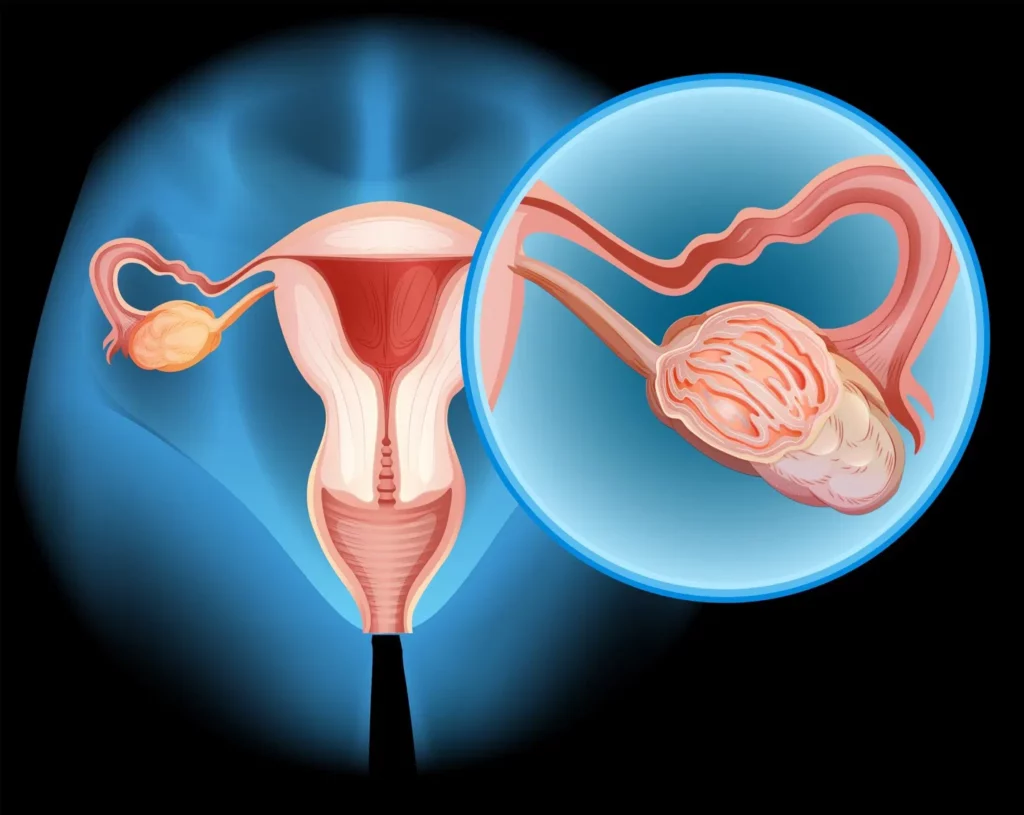
Family History and Inherited Risk
The connection between ovarian and breast cancer often becomes apparent through family patterns.
Red flags in family history include:
-
Multiple relatives with breast or ovarian cancer
-
Cancer diagnosed at a young age (before age 50)
-
Relatives who have had both cancers
-
Male breast cancer in the family
Because BRCA mutations can be passed down from either parent, both maternal and paternal family histories matter.
Hormonal Influences
Beyond genetics, hormones also play a role in linking these cancers.
Both breast and ovarian tissues are sensitive to:
-
Estrogen
-
Progesterone
Long-term exposure to estrogen such as early menstruation, late menopause, or not having children—has been associated with increased risk for both cancers. This hormonal overlap helps explain why certain reproductive factors influence risk for both diseases simultaneously.
Why the Link Matters for Early Detection
Understanding the connection between these cancers can be life-saving.
Breast Cancer Often Comes First
In many cases, breast cancer is diagnosed earlier because:
-
Screening methods like mammograms are widely available
-
Symptoms are more noticeable
Ovarian cancer, on the other hand, is often called a “silent disease” because early symptoms are vague and easily overlooked. Recognizing breast can.cer especially in high-risk women can serve as a warning sign to monitor ovarian health more closely.
Screening and Prevention Strategies
For women at increased risk, doctors may recommend a more proactive approach.
Enhanced Screening
-
Earlier and more frequent mammograms or breast MRIs
-
Pelvic exams, transvaginal ultrasounds, and blood tests (such as CA-125) for ovarian monitoring
Genetic Counseling and Testing
Women with strong family histories may benefit from genetic testing. Knowing BRCA status allows for:
-
Personalized screening plans
-
Informed lifestyle and medical decisions
-
Risk-reducing strategies
Preventive Options
In some high-risk cases, preventive measures may be considered, including:
-
Preventive medications
-
Risk-reducing surgery (such as removal of ovaries or breast tissue)
These decisions are complex and deeply personal, requiring careful discussion with healthcare professionals.
Shared Symptoms and Diagnostic Challenges
While breast and ovarian cancers affect different organs, they can share some overlapping warning signs such as:
-
Unexplained fatigue
-
Persistent pain or discomfort
-
Unintentional weight changes
Because ovarian cancer symptoms often mimic digestive or hormonal issues, awareness of breast cancer history can prompt earlier investigation when subtle signs appear.
The Importance of Awareness and Education
The link between ovarian and breast cancer highlights a broader truth: cancer risk is often interconnected, not isolated. Understanding these relationships empowers women to:
-
Advocate for appropriate screening
-
Recognize early warning signs
-
Seek timely medical advice
Early detection dramatically improves outcomes for both cancers.
Final Thoughts
The connection between ovarian and breast cancer - especially through shared genetic and hormonal factors - underscores the importance of personalized healthcare. A diagnosis of one can provide crucial insight into the risk of the other, guiding smarter screening and prevention strategies.
Knowledge does not create fear - it creates options. And when it comes to cancer, informed choices can make all the difference.