Chapter 1: A Sexual Identity That Some People Find Difficult to Put Into Words
In conversations about sexuality, one of the most common assumptions is that attraction should be easy to recognize, describe, and categorize. People are often expected to know exactly who they are attracted to, what kind of attraction they experience, and how that attraction fits into familiar labels. But for some individuals, the reality is far more complicated.
Attraction does not always follow a predictable pattern. Some people experience it immediately and intensely. Others notice it only after developing a deep emotional connection. For certain individuals, attraction may feel inconsistent, difficult to explain, or influenced by circumstances that are not easily described using conventional terms.
This is one reason newer identity labels continue to appear within LGBTQ+ communities and online spaces. These terms can give people language for experiences that they previously struggled to explain. One such term that has attracted attention in online discussions is nebulasexual.
The word may sound unfamiliar to people who have never encountered it before. It is also not necessarily a term that everyone within LGBTQ+ communities uses or recognizes. Like many niche identity labels, its meaning can vary depending on the community, individual interpretation, and context in which someone uses it.
For people who identify with the term, however, discovering it may represent something more meaningful than simply learning a new word.
It may be the moment when an experience that once seemed confusing begins to feel understandable.
Sexuality is frequently discussed using broad categories such as heterosexual, homosexual, bisexual, pansexual, and asexual. These labels can be useful because they help people communicate their experiences and find others who may relate to them. Yet they cannot necessarily capture every variation in how attraction develops or is experienced.
Some people may feel attraction but have difficulty identifying precisely what they are feeling. Others may experience attraction in ways that appear inconsistent, complicated, or difficult to separate from emotional connection, personal circumstances, or other factors.
For these individuals, a more specific label may feel useful.
The growing visibility of terms such as nebulasexual reflects a broader conversation about how people understand their identities. Rather than assuming that everyone experiences attraction in the same way, many people are increasingly willing to acknowledge that sexuality can be personal, nuanced, and sometimes difficult to describe.
That does not mean every newly emerging label represents an entirely separate biological category. Identity language often develops organically within communities. People create, adapt, and share words that help them communicate experiences that existing terminology may not fully express.
The significance of a label, therefore, is not necessarily determined by how widely it is recognized.
For someone who has spent years feeling misunderstood, a word that accurately reflects their experience can offer a sense of relief. It can help them explain themselves without having to repeatedly struggle through long descriptions of feelings that are difficult to articulate.
Nebulasexual is one example of how the language surrounding sexuality continues to evolve.
But understanding why the term matters requires looking beyond the word itself—and examining the complicated relationship between attraction, identity, self-understanding, and the desire to feel recognized.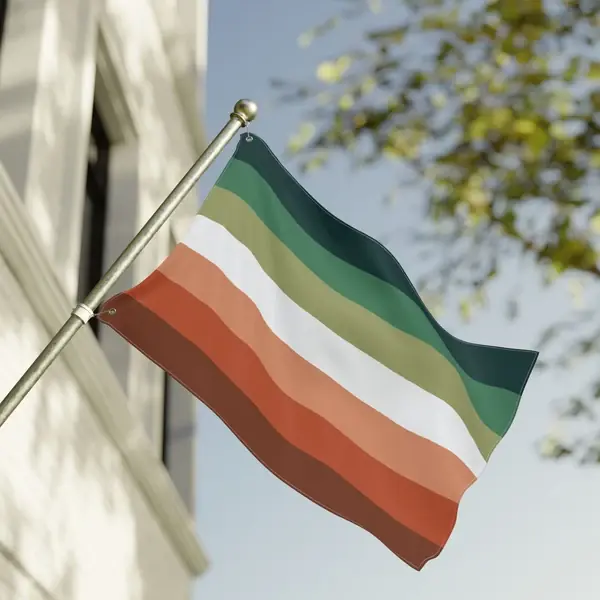
Chapter 2: Why Attraction Is Not Always Simple or Easy to Define
For many people, attraction is described as though it were a straightforward experience. Someone meets another person, feels interested, develops romantic or sexual feelings, and eventually understands that attraction through a familiar label.
But human experiences rarely follow such a neat sequence.
Attraction can involve several different dimensions. Sexual attraction, romantic attraction, emotional attraction, physical attraction, aesthetic appreciation, and intellectual connection are not always identical experiences.
A person may admire someone’s appearance without wanting a romantic relationship. They may feel emotionally close to someone without experiencing sexual attraction. They may develop romantic feelings while experiencing little or no sexual interest. Alternatively, they may experience attraction that changes depending on the relationship, emotional environment, or personal circumstances.
These distinctions can make identity difficult to describe.
Someone may understand that they experience attraction but struggle to explain how it works. They may notice that their feelings do not fit neatly into the categories they learned growing up. They may find that the words available to them describe only part of their experience.
This is where more specific identity language can become meaningful.
Labels are often treated as rigid classifications, but many people use them more like personal descriptions. A label can provide a starting point for understanding oneself rather than a permanent definition that must remain unchanged throughout life.