
The Meaning of Wearing an Ankle Bracelet
An ankle bracelet, also known as an anklet, may look like a simple fashion accessory, but its meaning goes far beyond style. Throughout history and across cultures, ankle bracelets have carried powerful symbolic, cultural, and even spiritual significance. While many people today wear anklets purely for aesthetic reasons, their origins reveal a deeper story of identity, tradition, and personal expression.
Ancient Origins of Ankle Bracelets
Ankle bracelets date back thousands of years and appear in some of the world’s earliest civilizations.
In ancient Egypt, anklets were worn by women of all social classes, but the materials used often reflected wealth and status. Wealthy women wore anklets made of gold and precious stones, while those from lower social classes wore simpler versions made from leather, shells, or beads. In this context, anklets symbolized social standing and prosperity.
In ancient Mesopotamia, anklets were also associated with wealth and femininity. They were often included as part of a woman’s dowry, representing security and value within marriage.
The Cultural Significance in India
One of the most enduring traditions involving ankle bracelets comes from India, where anklets are known as payal or pajeb. For centuries, they have played an important role in Indian culture and are commonly worn by married women.
Traditional Indian anklets are often made of silver and may include small bells that create a soft ringing sound when the wearer walks. This sound is believed to bring positivity, protection, and harmony into the home. In some traditions, anklets symbolize a woman’s marital status, femininity, and connection to cultural heritage.
Even today, anklets remain a meaningful accessory in Indian weddings and religious ceremonies.
Ankle Bracelets in African and Middle Eastern Cultures
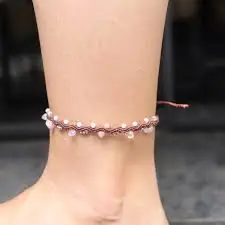
In various African cultures, ankle bracelets have been worn to symbolize fertility, womanhood, and social identity. In some regions, they were believed to bring good fortune or protect the wearer from negative energy.
In parts of the Middle East, anklets were historically worn as charms meant to ward off evil spirits or bad luck. Some designs included specific symbols or stones believed to offer spiritual protection.
European Influence and Changing Meanings
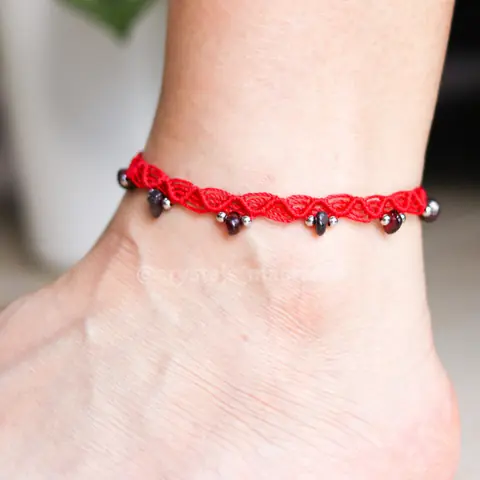
In Victorian-era Europe, ankle bracelets became a symbol of elegance and femininity. They were often worn discreetly beneath long skirts and were considered both fashionable and intimate.
Over time, especially in Western societies, the meaning of anklets shifted. By the late 20th century, they were widely viewed as a fashion statement, associated with freedom, individuality, and personal style rather than social status or marital meaning.
Spiritual and Symbolic Interpretations
Beyond cultural traditions, ankle bracelets are sometimes associated with spiritual symbolism. Some believe anklets help ground the wearer’s energy, connecting them to the earth and promoting balance.
Others wear anklets as personal talismans, choosing charms or symbols that represent protection, love, strength, or personal milestones. In this sense, the anklet becomes a deeply personal item, holding meaning unique to the individual.
Does It Matter Which Ankle You Wear It On?
A common question is whether wearing an anklet on the left or right ankle has a specific meaning. In most modern cultures, there is no universal rule. While some myths suggest symbolic differences between ankles, today the choice is largely based on comfort, fashion preference, or personal belief.
Ultimately, any meaning attached to which ankle is worn is defined by the wearer, not by a fixed tradition.
The Modern Meaning of Ankle Bracelets
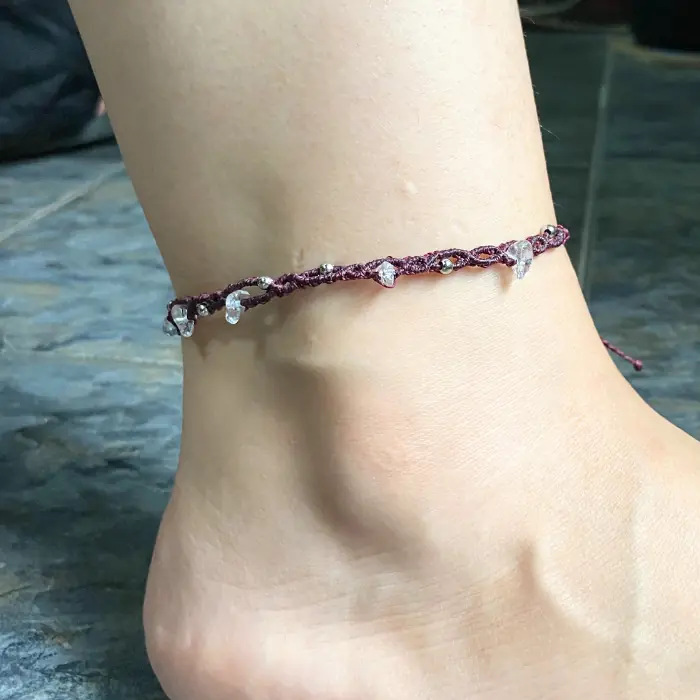
Today, ankle bracelets are primarily seen as a form of self-expression. People wear them to complement outfits, celebrate summer fashion, or express individuality. For some, anklets carry nostalgic or sentimental value, marking travel memories, relationships, or personal achievements.
Importantly, modern anklets are no longer bound by rigid cultural rules. Their meaning can be symbolic, spiritual, fashionable — or simply decorative.
Final Thoughts
Wearing an ankle bracelet is far more than a fashion choice rooted in modern trends. It is an accessory with a rich history that spans continents and centuries. From symbols of wealth and marital status to expressions of freedom and individuality, ankle bracelets have evolved alongside human culture.
Today, the true meaning of an ankle bracelet lies with the wearer. Whether it represents tradition, personal belief, or simple style, an anklet is a reminder that even the smallest accessories can carry powerful stories.