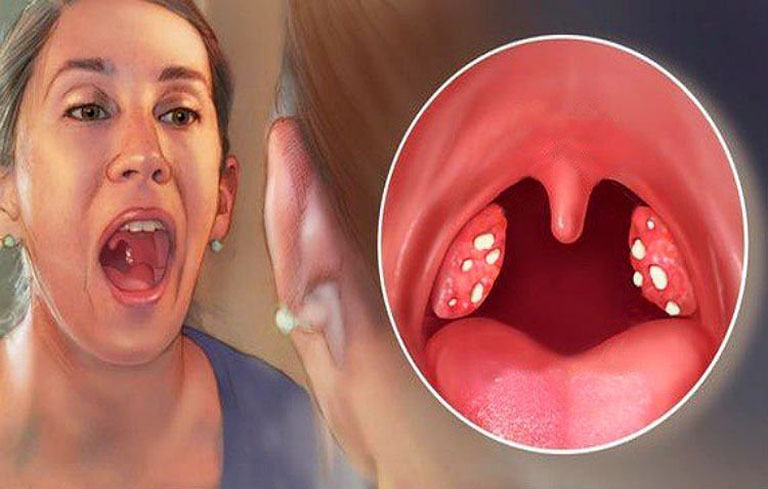
That strange sensation - like something lodged in your throat that won’t go away no matter how many times you swallow - can be unsettling. And when a small, pale lump suddenly appears, the confusion often turns to alarm. Fortunately, in many cases, this experience has a simple explanation.
What you’re likely seeing is a tonsil stone, also known medically as a tonsillolith.
What Are Tonsil Stones?
Tonsil stones are small, hardened deposits that form in the crevices (called crypts) of the tonsils. The tonsils sit at the back of the throat and play a role in immune defense, trapping bacteria and particles that enter through the mouth and nose.
Over time, debris can accumulate in these crypts, including:
-
Food particles
-
Dead cells
-
Mucus
-
Bacteria
When this material becomes compacted and calcified, it forms a tonsil stone.
Why Do Tonsil Stones Feel So Uncomfortable?
Even though tonsil stones are usually small, they can create noticeable symptoms because of where they form.
Common sensations include:
-
A persistent feeling that something is stuck in the throat
-
Discomfort or pressure when swallowing
-
A scratchy or irritated throat
-
A bad taste in the mouth
Sometimes, a stone dislodges on its own during coughing, swallowing, or even speaking - leading to that sudden moment when a lump appears seemingly out of nowhere.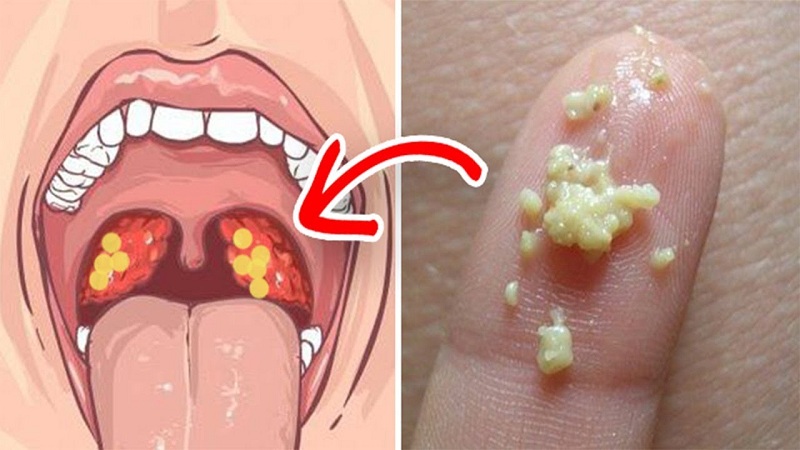
Why Do Tonsil Stones Smell Bad?
One of the most common complaints associated with tonsil stones is bad breath.
This happens because:
-
The bacteria involved produce sulfur compounds
-
These compounds have a strong, unpleasant odor
-
The stone traps and concentrates these smells
Even excellent oral hygiene doesn’t always prevent this, which can be frustrating for people who otherwise take good care of their teeth and gums.
Who Is More Likely to Get Tonsil Stones?
Tonsil stones can affect anyone, but they are more common in people who:
-
Have deep tonsil crypts
-
Experience frequent throat infections
-
Suffer from chronic sinus issues or postnasal drip
-
Breathe through the mouth regularly
-
Have dry mouth or reduced saliva flow
They are also more likely to recur in individuals who have had repeated tonsillitis.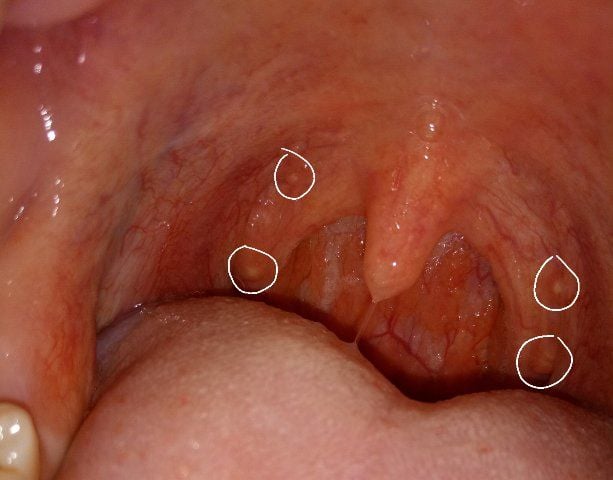
Are Tonsil Stones Dangerous?
In most cases, tonsil stones are harmless. They are not cancerous, contagious, or a sign of a serious illness.
However, larger or recurring stones can cause:
-
Chronic throat irritation
-
Persistent bad breath
-
Ongoing discomfort
In rare cases, very large stones may contribute to swelling or infection and should be evaluated by a healthcare professional.
How Are Tonsil Stones Treated or Removed?
Natural Removal
Small tonsil stones often fall out on their own during:
-
Coughing
-
Swallowing
-
Gargling
Home Care Options
Many people manage tonsil stones by:
-
Gargling with warm salt water
-
Using a water flosser on a low setting
-
Maintaining excellent oral hygiene, including tongue cleaning
Medical Treatment
If tonsil stones are frequent or severe, a doctor may recommend:
-
Professional removal
-
Treatment for underlying sinus or throat conditions
-
In rare cases, tonsil removal (tonsillectomy)
Any persistent pain, bleeding, or difficulty swallowing should always be checked by a medical professional.
Can Tonsil Stones Be Prevented?
While they can’t always be prevented completely, the risk can be reduced by:
-
Brushing and flossing regularly
-
Cleaning the tongue daily
-
Staying well hydrated
-
Treating chronic sinus or allergy issues
-
Gargling after meals
Good throat and oral care help reduce the debris that leads to stone formation.
When Should You See a Doctor?
Seek medical advice if you experience:
-
Frequent or painful tonsil stones
-
Persistent sore throat
-
Difficulty swallowing or breathing
-
Swelling or signs of infection
-
Unexplained bleeding
These symptoms may indicate a different condition that requires evaluation.
That odd sensation of something stuck in your throat - followed by the sudden appearance of a small lump - can be surprising, but it’s often nothing more than a tonsil stone making its exit.
While usually harmless, tonsil stones can be uncomfortable and unpleasant. Understanding what they are and why they form can bring reassurance and help you manage or prevent them in the future.
Sometimes, the body simply clears out what it no longer needs - one tiny lump at a time.
How to Remove Tonsil Stones Safely
In many cases, tonsil stones are small and can be removed without medical intervention. However, it’s important to do this gently and safely to avoid irritation or infection.
1. Gargle with Warm Salt Water
This is the simplest and safest method.
-
Mix ½ teaspoon of salt with a glass of warm water
-
Gargle for 20–30 seconds, 2–3 times a day
Salt water helps loosen stones, reduce bacteria, and soothe inflamed tonsils. Many small stones dislodge naturally after consistent gargling.
2. Use a Water Flosser (Low Pressure)
A water flosser can gently flush debris from tonsil crypts.
-
Use the lowest pressure setting
-
Aim carefully at the tonsil area
-
Never force the stream directly into deep crypts
This method works best for people who get recurring stones.
3. Gentle Manual Removal (With Caution)
If a stone is visible and loose, some people remove it manually.
-
Wash hands thoroughly
-
Use a clean cotton swab or the back of a toothbrush
-
Apply very light pressure
If there is pain, bleeding, or resistance, stop immediately. Forcing removal can cause infection or injury.
4. Professional Removal
If stones are large, painful, or frequent, an ENT specialist can remove them safely using medical tools. This is recommended when home methods fail.
How to Prevent Tonsil Stones from Coming Back
Prevention focuses on reducing the buildup of debris and bacteria in the throat.
1. Improve Oral Hygiene Beyond Just Brushing
Many people brush their teeth well but forget other key areas.
-
Brush teeth at least twice daily
-
Clean your tongue daily (this is crucial)
-
Floss regularly
The tongue harbors bacteria that contribute heavily to tonsil stone formation.
2. Stay Well Hydrated
Dry mouth allows debris and bacteria to accumulate more easily.
-
Drink water consistently throughout the day
-
Avoid excessive caffeine and alcohol, which dry the mouth
Good saliva flow naturally cleans the throat and tonsils.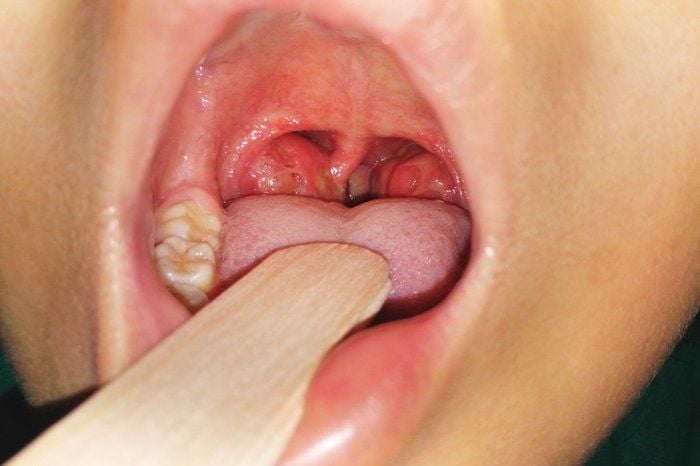
3. Gargle After Meals
Food particles are one of the main contributors to tonsil stones.
-
Gargle with plain water or salt water after eating
-
Especially important after dairy-heavy or sticky foods
This simple habit significantly reduces buildup.
4. Manage Postnasal Drip and Sinus Issues
Chronic mucus dripping down the throat feeds tonsil stone formation.
-
Treat allergies properly
-
Use saline nasal rinses if needed
-
Address chronic sinus infections with medical guidance
Less mucus = fewer stones.
5. Avoid Smoking and Mouth Breathing
Smoking and mouth breathing dry out the throat and increase bacterial growth.
-
Quit smoking if possible
-
Address nasal congestion that forces mouth breathing at night
Using a humidifier can also help keep throat tissues moist.
6. Consider Dietary Adjustments
Some people notice fewer tonsil stones when they:
-
Reduce excessive dairy intake
-
Limit sugary foods that feed bacteria
-
Eat more crunchy fruits and vegetables (natural cleaners for the mouth)
When Prevention Isn’t Enough
If tonsil stones:
-
Occur very frequently
-
Cause constant bad breath
-
Lead to repeated infections
-
Affect quality of life
A doctor may discuss long-term options, including:
-
Laser smoothing of tonsil crypts
-
In severe cases, tonsillectomy
These are usually last-resort solutions.
Final Note
Tonsil stones are common, uncomfortable, and often embarrassing—but they are manageable. With proper hygiene, hydration, and attention to throat health, most people can significantly reduce or completely prevent them.
If your throat keeps sending out these little “messages,” it’s usually just asking for a bit more care.