Refrigerators are one of the few household appliances that never get a break. They run 24 hours a day, 7 days a week, all year long,
quietly keeping food fresh and safe. Because of this constant operation, refrigerators are also among the largest consumers of
electricity in most homes.
What many people don’t realize is that a small, often-overlooked adjustment inside the refrigerator can noticeably reduce energy
consumption - especially during the colder months - without affecting food quality or safety.
Sometimes, saving electricity isn’t about buying a new appliance. It’s about using the one you already have more wisely.
How One Simple Adjustment Can Cut Electricity Use
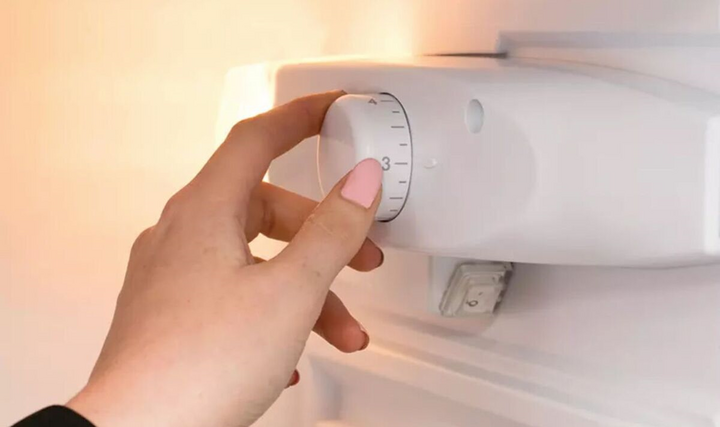
Most refrigerators come with a temperature control dial or button, usually labeled from 1 to 5 or 1 to 6, depending on the model.
Many households set this level once and never touch it again.
During hot summer months, it makes sense to use higher cooling levels. The surrounding temperature is high, and the refrigerator
needs to work harder to keep food cold.
But in winter, the situation changes completely.
Why Lower Settings Work in Winter
When the ambient temperature drops:
-
The refrigerator does not need to cool as aggressively
-
Internal temperatures stabilize more easily
-
Running at high power becomes unnecessary
In winter, setting the refrigerator to level 1, 2, or 3 is usually more than sufficient.
At level 1, the internal temperature typically stays between 2–5°C, which is ideal for food storage while consuming significantly less
electricity.
The same principle applies to the freezer compartment. Lowering the cooling intensity slightly during colder months still keeps food
frozen safely, while reducing the workload on the compressor.
This small adjustment alone can lead to meaningful savings on electricity bills over time.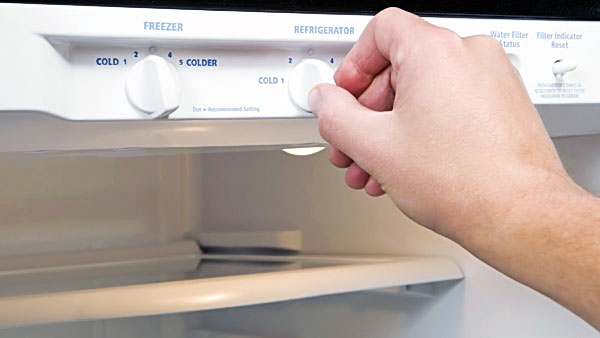
Adjust Temperature Based on How Much Food You Store
Seasonal adjustment is important - but so is adapting the temperature to your actual usage.
When the Refrigerator Is Not Full
-
Lower the cooling level
-
Less food means less thermal mass to maintain
-
Avoids wasting energy on empty space
When the Refrigerator Is Full
-
Increase the cooling level slightly
-
Ensures even cooling and food safety
-
Prevents spoilage when doors are opened frequently
For the Freezer Compartment
-
If storing large amounts of fresh food (especially meat or seafood), maintain a temperature of around –18°C
-
This prevents bacterial growth and extends storage life
-
When storage volume is low, reduce cooling intensity to save energy
Matching cooling power to actual needs prevents unnecessary electricity waste.
Additional Expert Tips to Reduce Refrigerator Energy Use
Adjusting the temperature is just the beginning. Experts recommend combining it with the following habits for maximum efficiency.
1. Place the Refrigerator in the Right Location
Refrigerators release heat from the back or sides. If this heat cannot escape, the appliance must work harder to maintain internal
temperatures.
Best practices include:
-
Leave enough space between the refrigerator and the wall
-
Ensure proper airflow around ventilation areas
-
Avoid placing the refrigerator near heat sources such as ovens, stoves, or microwaves
Excess surrounding heat forces the compressor to run longer, increasing electricity use and shortening the appliance’s lifespan.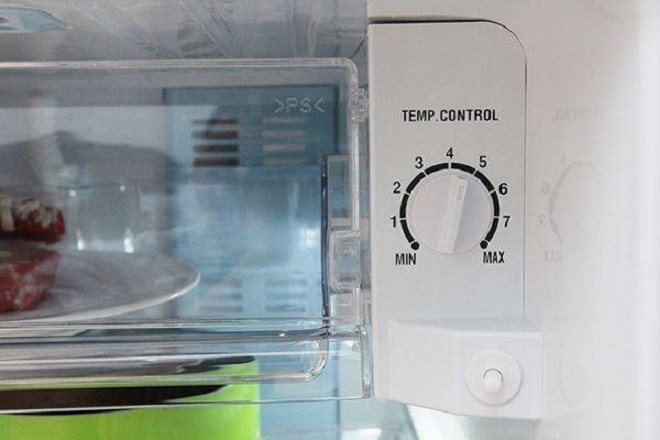
2. Avoid Leaving the Door Open Too Long
Every time the door is opened:
-
Cold air escapes
-
Warm air enters
-
The compressor must work harder to cool the interior again
Repeated or prolonged door openings significantly increase energy consumption.
Develop the habit of opening the door briefly and closing it promptly.
3. Use Glass or Ceramic Food Containers
Glass and ceramic containers:
-
Retain cold temperatures better than plastic
-
Help stabilize internal cooling
-
Improve air circulation when organized properly
Well-organized shelves allow cold air to move efficiently, reducing cooling time and energy use.
4. Clean and Maintain the Refrigerator Regularly
Dust buildup on cooling vents and condenser coils forces the compressor to work harder.
Maintenance tips:
-
Clean vents and coils every 1–3 months
-
Wipe door seals to ensure proper closure
-
Check for frost buildup in the freezer
A clean refrigerator runs more efficiently, lasts longer, and consumes less electricity.
Why Small Changes Make a Big Difference
Because refrigerators run continuously, even minor improvements in efficiency compound over time. A slightly lower temperature
setting, better airflow, or quicker door use may seem insignificant - but over months and years, these habits translate into real savings.
Lower energy bills. Less strain on the appliance. Reduced environmental impact.
Final Thoughts
You don’t need expensive upgrades to reduce electricity costs. Sometimes, all it takes is noticing a small dial, understanding how
seasons affect your appliance, and making thoughtful adjustments.
By lowering refrigerator settings in winter, organizing food wisely, placing the appliance correctly, and maintaining it regularly, you
can cut electricity waste without sacrificing food safety or convenience.
Small habits, repeated daily, quietly add up and your electricity bill will reflect it.