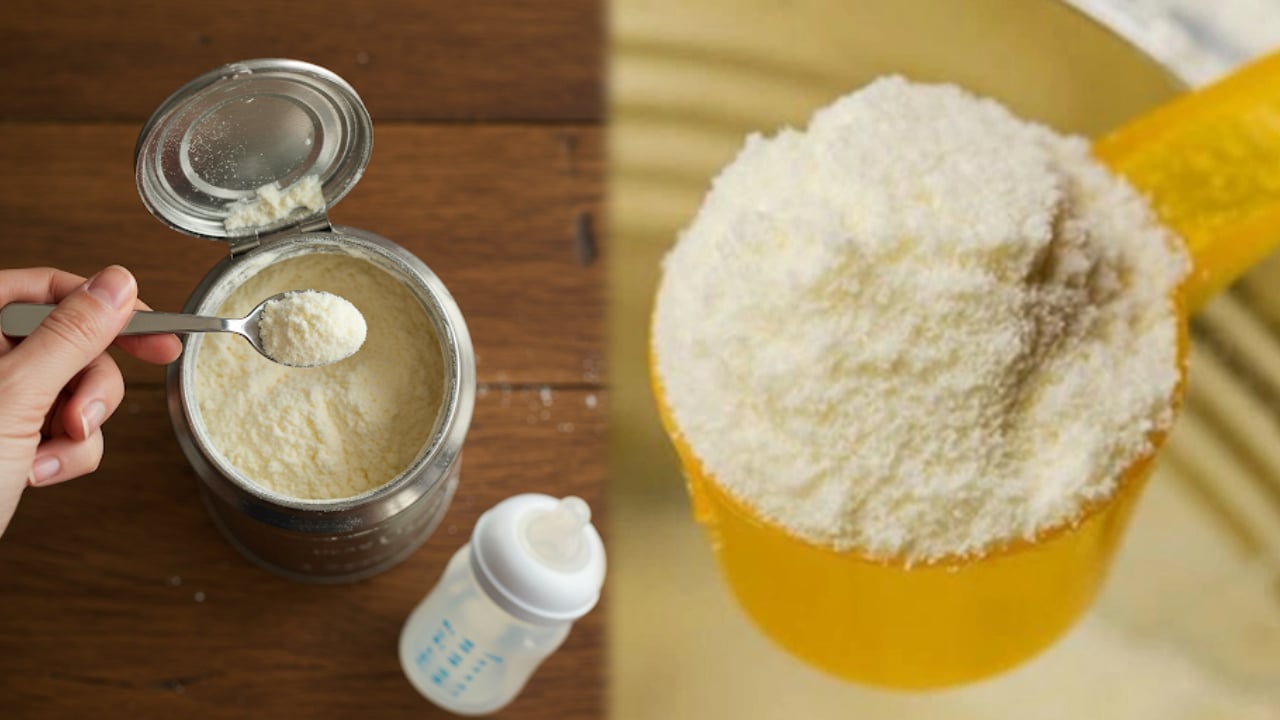
Powdered milk is one of the most important nutritional sources for infants, especially during the first years of life when growth and development depend heavily on proper nourishment. Choosing high-quality milk is therefore not just a matter of preference—it is a matter of health and safety. Unfortunately, the market today is flooded with counterfeit powdered milk products that closely imitate genuine brands, making it increasingly difficult for parents to tell the difference.
Understanding how to identify fake milk and recognize warning signs in your baby can help prevent serious health risks. Below is a comprehensive guide to help parents make safer, more informed choices.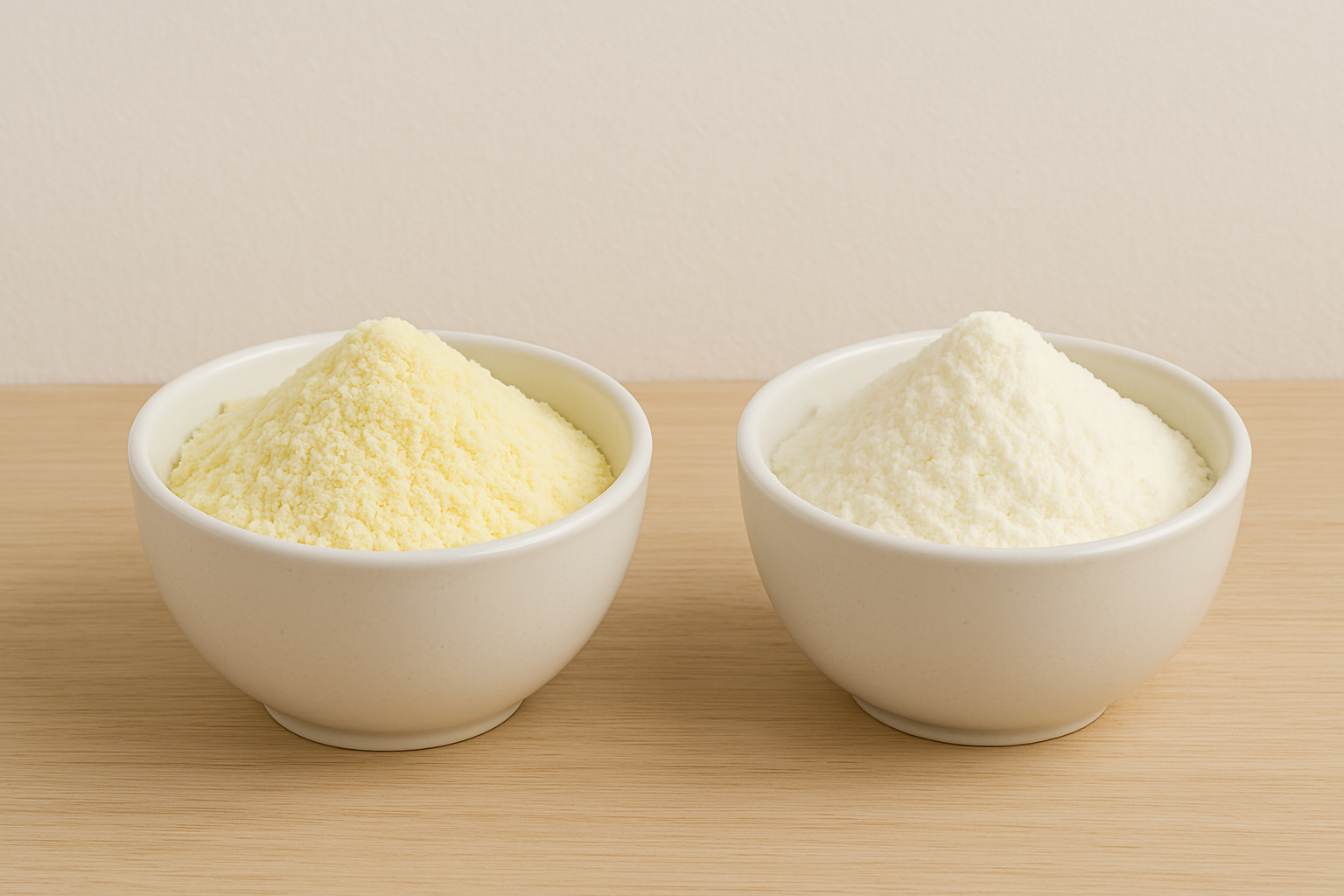
1. How to Identify Fake Milk by Examining the Packaging
1.1 Labels and Overall Packaging Quality
Real milk products are manufactured under strict quality control standards, which are reflected clearly in their packaging.
Characteristics of genuine milk include:
-
Clear, sharp colors and well-defined images
-
Balanced design without smudging, fading, or excessive brightness
-
Complete and clearly printed information such as brand name, ingredients, usage instructions, production date, expiration date, and storage guidelines
-
Imported milk products do not have Vietnamese text printed directly on the original packaging; instead, they come with separate Vietnamese labels added by the distributor
-
The lid or opening is protected by a tamper-evident security seal, ensuring the product has not been opened
Fake milk products, on the other hand, often show visible flaws:
-
Blurry text, faded ink, or overly bright and unnatural colors
-
Poor print quality or missing essential information
-
Loose lids or damaged seals that suggest prior tampering
These differences may seem small, but they are often the first clues that something is wrong.
1.2 Checking the Product Barcode
Barcodes provide important information about a product’s country of origin. Parents can use barcode scanning apps to verify whether the milk’s origin matches what is claimed on the packaging.
Common barcode country codes include:
-
893: Vietnam
-
885: Thailand
-
880: South Korea
-
888: Singapore
-
690–692: China
-
00–13: USA and Canada
-
49: Japan
-
30–37: France
-
40–44: Germany
-
471: Taiwan
-
489: Hong Kong
-
94: New Zealand
-
93: Australia
-
50: United Kingdom
If the barcode country code does not match the stated origin of the product, parents should be extremely cautious.
1.3 Production Date and Expiration Date
Real milk products:
-
Have production and expiration dates that are embossed or clearly printed
-
Show no signs of erasure, overwriting, or smudging
Fake milk products usually fall into two categories:
-
Expired real milk that has been relabeled
Unscrupulous sellers alter or obscure expiration dates to resell expired milk at very low prices. -
Completely counterfeit milk
These products imitate popular brands but have poor-quality packaging, unclear dates, and unusually cheap prices.
Extremely low prices are often a red flag. If a deal seems too good to be true, it probably is.
2. Signs That Your Baby May Be Consuming Fake Milk
Counterfeit milk products are becoming increasingly sophisticated, making them harder to detect by packaging alone. Sometimes, the first warning signs appear in the baby’s health.
Common Symptoms to Watch For
Digestive Problems
Babies may experience stomach pain, diarrhea, nausea, bloating, or vomiting. Because an infant’s digestive system is still developing, it is especially vulnerable to poor-quality or contaminated ingredients.
Persistent Fatigue and Weakness
Fake milk often lacks essential nutrients and may contain harmful substances. Babies may appear unusually tired, lethargic, dehydrated, or even show signs of poisoning. Their weakened immune system also makes them more prone to frequent colds, coughs, and infections.
Poor Weight Gain or Weight Loss
Instead of gaining weight steadily, babies may stop gaining weight or even lose weight. This can lead to malnutrition, delayed development, and long-term health consequences.
Any of these signs should prompt immediate concern and action.
3. The Serious Dangers of Feeding Babies Fake Milk
Infants have extremely sensitive digestive and immune systems. Consuming low-quality or counterfeit milk can result in:
-
Allergic reactions
-
Severe diarrhea and dehydration
-
Food poisoning
If fake milk is produced under unsanitary conditions, it may contain harmful bacteria, mold, or toxic substances. In severe cases, this can lead to:
-
Muscle paralysis
-
Respiratory failure
-
Serious poisoning
-
Even death
To minimize these risks, parents should only purchase baby formula from reputable brands and trusted retailers with clear sourcing and quality assurance.
4. Practical Tips for Choosing and Using Powdered Milk Safely
When selecting powdered milk for your baby, parents should develop careful and consistent habits:
-
Always read the full product label, including ingredients, nutritional values, origin, and usage instructions
-
Purchase milk only from reputable stores, pharmacies, or authorized distributors
-
Avoid products with unusually low prices or unclear origins
-
Keep receipts and packaging in case issues arise
Just as importantly, parents should closely monitor their baby’s reaction to any milk formula. Not all babies respond the same way, even to genuine products. If your baby shows unusual symptoms such as diarrhea, vomiting, weight loss, excessive gas, rashes, or breathing difficulties, stop using the milk immediately and seek medical advice.
Final Thoughts
Protecting a baby’s health begins with what goes into their body. In a market where counterfeit powdered milk is becoming more common and more deceptive, awareness is a parent’s strongest defense. By learning how to recognize fake milk, watching for warning signs, and choosing products carefully, parents can significantly reduce risks and ensure their baby receives the nutrition they need to grow safely and healthily.
When it comes to infant nutrition, caution is not overthinking it is responsibility.