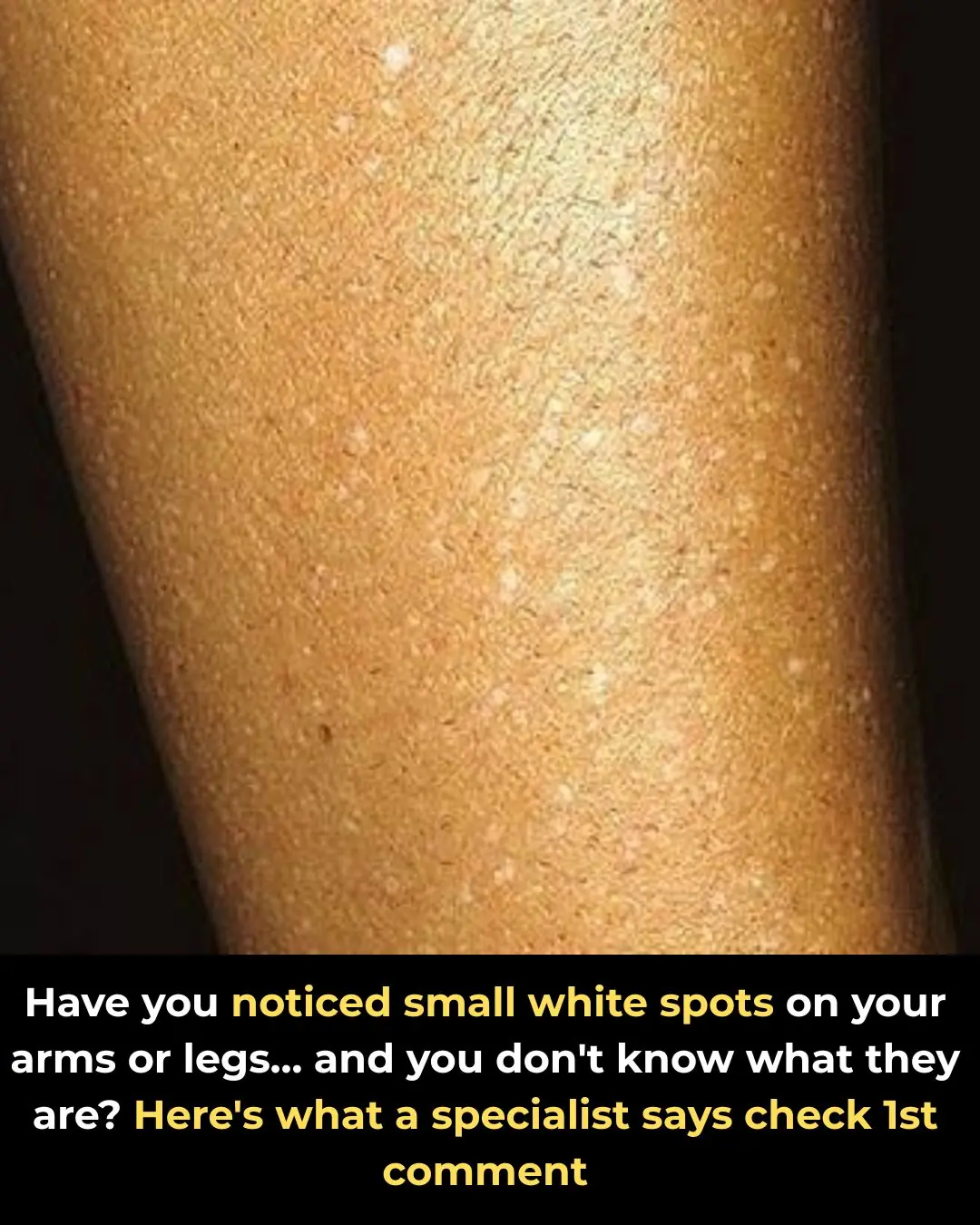
As the last traces of a summer tan begin to fade, many people notice small, pale dots appearing on their legs and arms. These tiny white marks often stand out more clearly against slightly darker surrounding skin. For some, they seem to increase in number with age, leading to confusion and concern.
If you’ve seen these little patches and wondered what they are or whether they’re dangerous, the answer may reassure you.
What Are These White Spots?
These spots are commonly known as idiopathic guttate hypomelanosis (IGH). Although the name sounds intimidating, the condition itself is harmless and very common.
IGH refers to small, flat, white patches of skin that appear due to a reduction or loss of melanin, the pigment responsible for skin color. These spots usually measure only a few millimeters in size and can appear on people of all skin tones and ethnic backgrounds. Most often, they show up on areas frequently exposed to the sun, such as the arms, legs, and sometimes the face.
Statistics suggest that between 50% and 80% of people over the age of 40 will develop at least a few of these spots. They are considered a natural part of the skin’s aging process.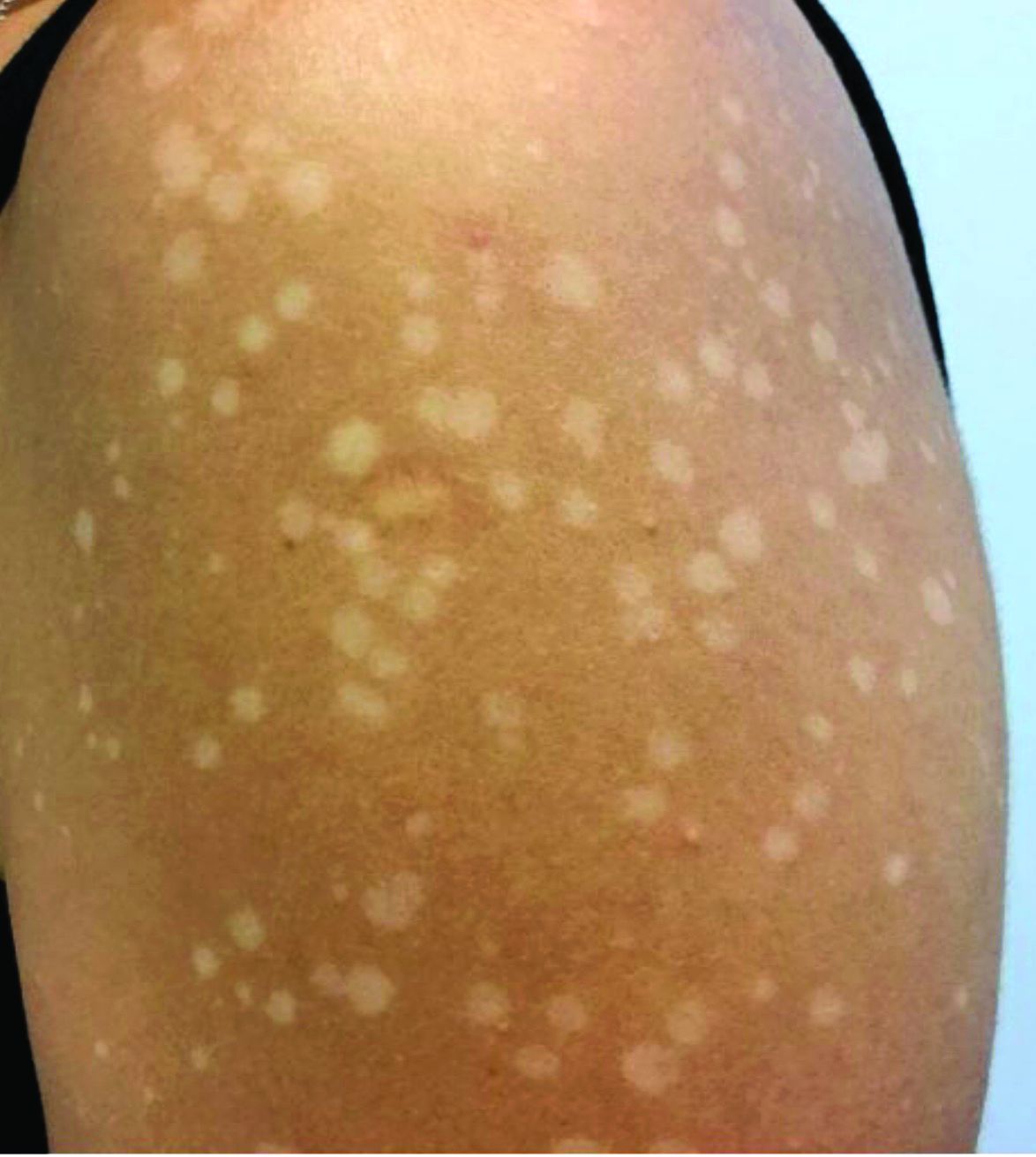
Why Do They Appear?
The primary cause of IGH is long-term sun exposure. Over time, ultraviolet (UV) radiation damages melanocyte cells—the cells responsible for producing melanin. When these cells stop functioning or disappear altogether in small areas of the skin, those areas become lighter than the surrounding skin.
In short:
-
Sun exposure damages pigment-producing cells
-
Less melanin is produced in specific spots
-
Those areas appear white or pale
The good news? These spots are not harmful and do not indicate a serious health condition.
Can White Spots Be Removed?

Currently, there is no medically proven treatment that can permanently eliminate IGH.
Some treatments you may see mentioned online include:
-
Topical retinoids
-
Chemical peels
-
Laser or light-based therapies
However, experts explain that these methods are unlikely to fully restore pigment once melanocyte cells have been lost. Results tend to be inconsistent or only temporary, which is why most dermatologists do not strongly recommend them for this condition alone.
Could It Be a Fungal Infection Instead?
Some people mistake these white spots for a fungal skin infection, such as tinea versicolor, and try treating them with antifungal shampoos or creams.
In most cases, this will not work, because IGH is not caused by fungus.
Here’s a simple way to tell the difference:
-
IGH spots usually appear on the legs and arms and are flat and smooth
-
Fungal patches often appear on the chest, back, or shoulders and may look slightly scaly or itchy
If your pale spots are spreading quickly, itchy, or changing in appearance, it’s a good idea to consult a doctor to rule out other skin conditions.
What Can You Do About Them?
Although these white spots cannot be completely cured, there are still options if they bother you cosmetically:
-
Use body makeup or self-tanner to even out skin tone
-
Apply sunscreen daily to prevent more spots from forming
-
Keep the skin moisturized to improve overall appearance
Most importantly, remember: these spots are normal, harmless, and extremely common as we age.
They do not mean your skin is unhealthy — they are simply a visible sign of time and sun exposure.