A Cancer Warning Sign Commonly Mistaken for Dandruff: Doctors Urge People Not to Ignore It
Many people consider dandruff a harmless scalp problem caused by dry skin or poor hair care. However, doctors warn that persistent “dandruff-like” symptoms may, in rare but serious cases, be an early sign of cancer, and ignoring them could delay life-saving treatment.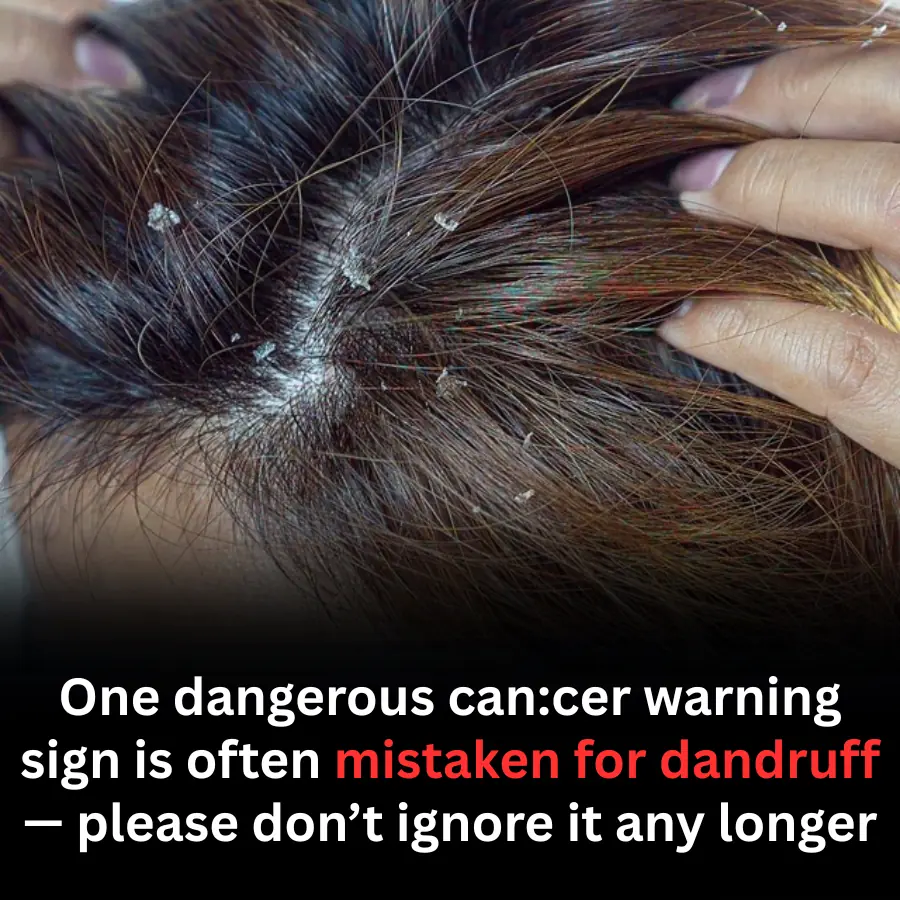
When “Dandruff” Is No Longer Just Dandruff
According to dermatologists, scaly patches on the scalp that do not improve despite proper hygiene and treatment should raise concern. In particular, skin cancers such as cutaneous T-cell lymphoma, squamous cell carcinoma, or metastatic lesions can initially appear as flaky, itchy areas that closely resemble severe dandruff or seborrheic dermatitis.
Red Flags Doctors Highlight
You should seek medical attention if scalp flakes are accompanied by:
-
Persistent itching or burning
-
Thickened, hardened, or oozing skin
-
Red or purplish patches that spread beyond the scalp
-
Hair loss in localized areas
-
Bleeding, crusting, or sores that do not heal
These symptoms may indicate abnormal skin cell growth, not a simple cosmetic issue.
Why This Mistake Is Dangerous
Because dandruff is so common, many people self-treat for months or even years. Cancerous skin conditions, however, can progress silently during this time, making treatment more complex once finally diagnosed.
Oncologists stress that early-stage detection dramatically improves survival rates, especially for skin-related cancers.
Doctors’ Advice
-
If dandruff persists longer than 2–4 weeks despite treatment, get checked
-
Do not scratch or peel scaly patches repeatedly
-
Seek evaluation from a dermatologist if symptoms worsen or spread
-
Biopsy is simple and can quickly rule out serious conditions
The Bottom Line
Not every case of dandruff is dangerous—but assuming it is always harmless can be a costly mistake. Listening to your body and acting early may save your life.