Heart problems do not always begin with dramatic symptoms like sudden chest pain or collapse. In many cases, the heart sends quiet, easily overlooked signals long before a serious event occurs. Because these signs can seem mild or unrelated, people often ignore them until damage has already progressed. Learning to recognize these early warnings can make a critical difference.
Here are seven subtle signs that may indicate your heart is struggling—and why they matter.
1. Unusual Fatigue That Doesn’t Improve With Rest
Feeling tired after a long day is normal. However, persistent fatigue that appears without a clear reason and does not improve with sleep can be an early sign of heart trouble. When the heart cannot pump efficiently, less oxygen reaches muscles and tissues, leading to constant exhaustion. This type of fatigue often feels disproportionate to your activity level.
2. Shortness of Breath During Mild Activity
If you find yourself getting out of breath while walking short distances, climbing a few stairs, or even talking, it may be a warning sign. A weakened heart struggles to circulate blood effectively, causing fluid to build up in the lungs. This symptom is often mistaken for poor fitness or aging, but it should not be ignored.
3. Swelling in the Feet, Ankles, or Legs
Swelling in the lower body can be a subtle sign of heart problems. When the heart is not pumping well, blood can back up in the veins, causing fluid to leak into surrounding tissues. This swelling may be mild at first and more noticeable at the end of the day.
4. Irregular or Rapid Heartbeat
Occasional changes in heart rhythm can be normal, especially during stress or exercise. However, frequent palpitations, fluttering, or a racing heart at rest may signal an underlying issue. An irregular heartbeat can reduce the heart’s efficiency and increase the risk of complications if left untreated.
5. Dizziness or Lightheadedness
Feeling dizzy, lightheaded, or close to fainting can occur when the brain does not receive enough blood and oxygen. This may happen if the heart is unable to maintain stable circulation. Even brief episodes should be taken seriously, especially if they occur repeatedly.
6. Discomfort in the Jaw, Neck, Back, or Arms
Heart-related pain does not always appear in the chest. Subtle discomfort or pressure in the jaw, neck, shoulders, back, or arms can be an early sign of reduced blood flow to the heart. These sensations are often dismissed as muscle strain or poor posture, but they can be linked to heart problems.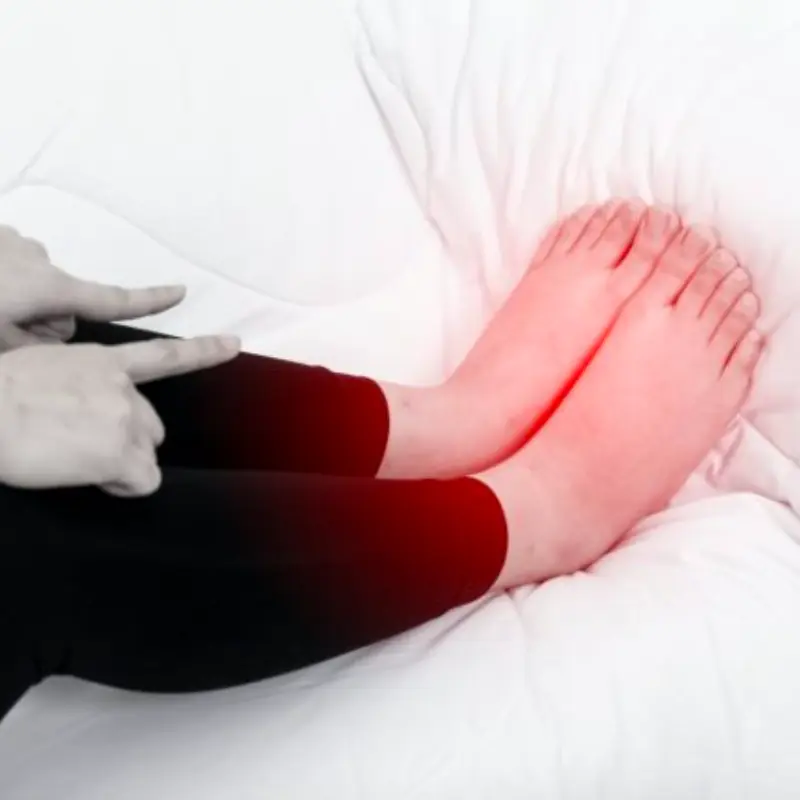
7. Poor Sleep and Nighttime Breathing Problems
Waking up suddenly at night feeling short of breath, or needing multiple pillows to sleep comfortably, may indicate heart-related fluid buildup in the lungs. Poor sleep quality can also worsen heart health, creating a cycle that is easy to overlook.
Why These Signs Matter
The heart often compensates quietly before failing loudly. Subtle symptoms are the body’s early request for attention. Ignoring them can allow conditions such as heart failure, arrhythmias, or coronary artery disease to progress unnoticed.
What You Should Do
If you notice one or more of these signs—especially if they persist or worsen—seek medical advice. Early evaluation, lifestyle changes, and treatment can significantly reduce long-term risks.