7 Early Signs of Nasopharyngeal Cancer You Should Never Ignore
Nasopharyngeal cancer (NPC) is a type of head and neck cancer that develops in the nasopharynx—the area behind the nose and above the back of the throat. One of the most dangerous aspects of this disease is that early symptoms are often subtle and easily mistaken for common ENT problems, leading many patients to seek care only when the cancer has progressed.
Doctors warn that detecting nasopharyngeal cancer early can significantly improve treatment outcomes. Here are seven early signs that may indicate the disease. If even one persists, medical evaluation is strongly advised.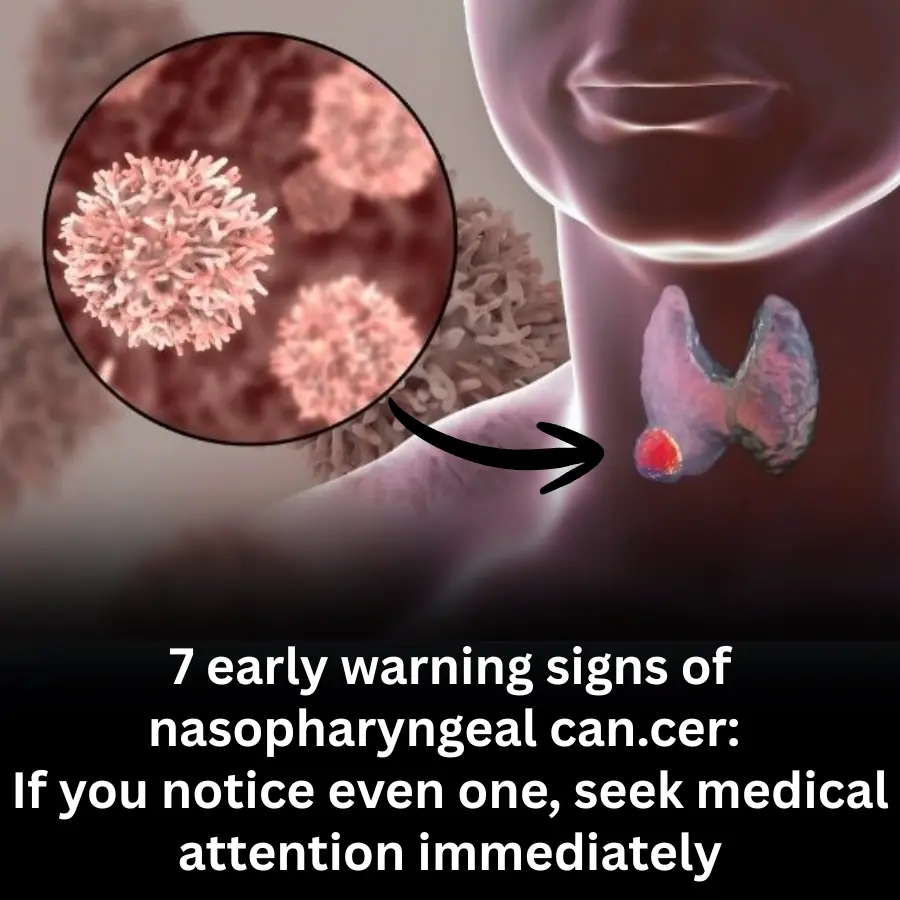
1. Persistent Nasal Congestion or Blockage (Usually One-Sided)
Unlike a common cold, this congestion does not improve with medication and may worsen over time.
2. Frequent Nosebleeds
Repeated, unexplained nosebleeds—especially mild but recurring—can be an early warning sign.
3. Ringing in the Ears or Hearing Loss in One Ear
Tumor growth may block the Eustachian tube, causing fluid buildup and hearing problems, often on one side only.
4. Chronic Headaches
Headaches that are persistent, unexplained, and unresponsive to usual pain relief should not be ignored.
5. Lump in the Neck
Swollen lymph nodes in the neck are one of the most common early signs, often painless and slowly enlarging.
6. Sore Throat or Difficulty Swallowing
A constant sore throat, foreign body sensation, or pain when swallowing may indicate a growing lesion.
7. Facial Numbness or Pain
In later early stages, the tumor may affect nearby nerves, causing numbness, tingling, or pain in the face.
Why Early Detection Matters
Nasopharyngeal cancer is highly treatable when diagnosed early, often with radiation therapy or combined treatments. However, delayed diagnosis can lead to spread to lymph nodes, bones, or other organs, making treatment more complex.
Who Is at Higher Risk?
-
People aged 30–60
-
Those with a family history of NPC
-
Individuals exposed to Epstein–Barr virus (EBV)
-
Diets high in salted or preserved foods
-
Long-term smoking or alcohol use
Final Advice
If you experience any of these symptoms lasting more than two weeks, especially without a clear cause, do not self-treat. Early medical evaluation can be lifesaving.