Japanese Secret to Drying Thick Clothes Quickly: Why It Works So Well
Drying thick clothes like blankets, towels, quilts, and winter jackets can be frustrating—especially in humid weather or small apartments. In Japan, where space is limited and rainy seasons are long, people have developed simple but extremely effective techniques to dry bulky laundry faster without damaging fabric or relying heavily on dryers.
This method may look ordinary at first glance, but it is based on airflow physics, fabric structure, and moisture behavior.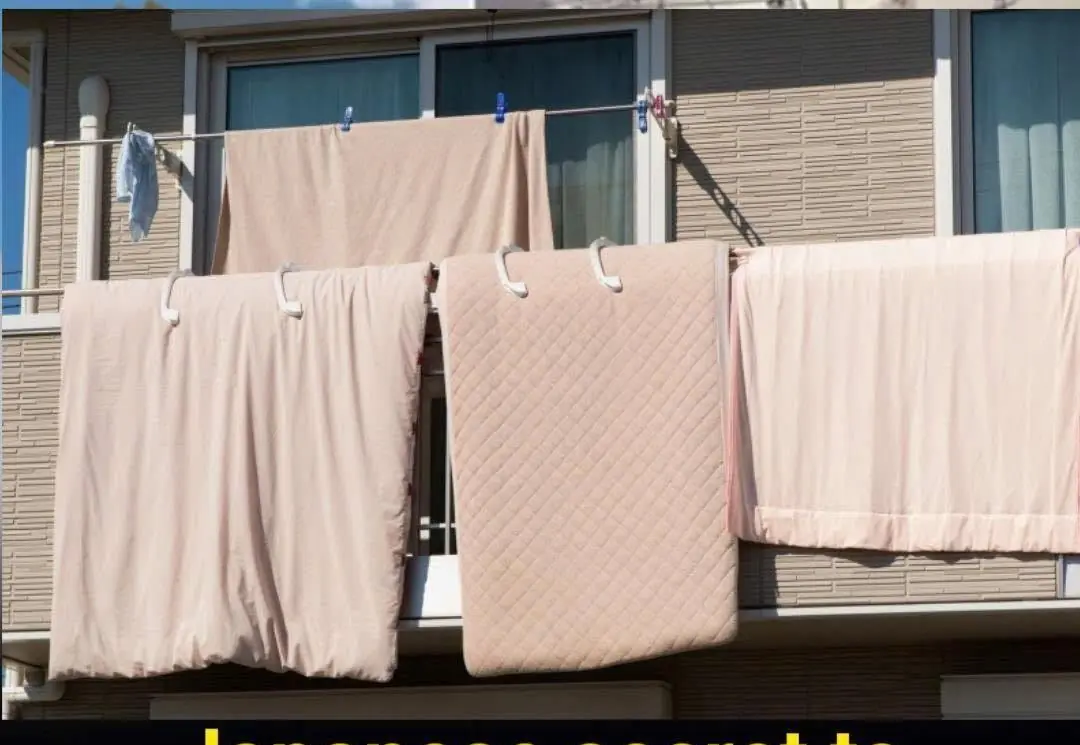
Why Thick Clothes Take So Long to Dry
Thick fabrics trap moisture deep inside their fibers. Even when the surface feels dry, the inner layers can remain damp for hours or even days.
Common mistakes that slow drying include:
-
Folding thick items in half
-
Hanging them flat against each other
-
Blocking airflow around the center
-
Drying indoors without circulation
The Japanese approach solves all of these problems at once.
The Core Japanese Drying Principle: Create a “Tunnel”
The key technique is hanging thick clothes in a way that creates space inside the fabric, allowing air to pass through freely.
Instead of folding blankets or towels flat, Japanese households:
-
Hang them open and curved
-
Allow the middle section to form a natural air tunnel
-
Ensure both inner and outer layers are exposed to airflow
This dramatically reduces drying time because moisture escapes from both sides simultaneously.
How to Hang Thick Clothes the Japanese Way
To apply this method at home, follow these steps:
-
Use wide hangers or balcony rails
-
Hang the item so it drapes evenly, not folded tightly
-
Leave a gap in the center instead of pressing fabric together
-
Avoid overlapping multiple thick items
For quilts or comforters, hanging them lengthwise with multiple clips spaced evenly prevents sagging and improves airflow.
Why This Method Is So Effective
This technique works because it:
-
Maximizes surface area
-
Prevents moisture from being trapped inside folds
-
Allows natural convection to pull humid air out
-
Reduces musty odors caused by slow drying
Japanese homes often rely on wind, shade, and smart placement rather than heat, making this method both energy-efficient and fabric-friendly.
Positioning Matters More Than Sunlight
Many people assume direct sunlight is the key to fast drying. In reality, air movement matters more than heat.
Japanese households often:
-
Hang clothes near windows or balconies
-
Use shaded outdoor areas with steady airflow
-
Avoid pressing laundry against walls
Even indoors, placing laundry near a fan or open window can significantly reduce drying time.
Why This Method Protects Fabric Quality
Using high heat from dryers can:
-
Shrink fabrics
-
Damage fibers
-
Fade colors
-
Reduce the lifespan of thick textiles
The Japanese air-drying method:
-
Preserves softness
-
Prevents fiber stress
-
Keeps quilts and towels fluffy
-
Reduces static and stiffness
This is especially important for bedding and winter clothing.
Extra Tips From Japanese Households
To make drying even faster:
-
Spin thick items twice in the washing machine
-
Shake them out before hanging to loosen fibers
-
Rotate heavy items halfway through drying
-
Avoid drying at night when humidity rises
Some homes also use small circulating fans placed a few feet away—not blowing directly on the fabric, but encouraging airflow around it.
Why This Method Works Even in Small Apartments
Japan’s drying techniques evolved in compact living spaces where dryers are uncommon. That’s why this approach is:
-
Space-efficient
-
Low-cost
-
Suitable for balconies or indoor racks
-
Ideal for rainy or cold seasons
It turns limited space into an advantage by using vertical airflow instead of horizontal spreading.
Common Drying Mistakes to Avoid
If thick clothes always smell damp or take days to dry, you may be:
-
Folding them too tightly
-
Hanging them flat against each other
-
Drying too many items at once
-
Ignoring airflow
Correcting these habits alone can cut drying time in half.
The Bottom Line
The Japanese secret to drying thick clothes quickly isn’t a machine or chemical—it’s smart hanging and airflow management. By creating space within fabric and allowing air to circulate freely, moisture escapes faster, odors disappear, and clothes stay in better condition.
Sometimes the most effective solutions aren’t high-tech at all—just well-tested everyday wisdom refined over generations.