5 Warning Signs Your Liver May Be in a Severe Stage: Do Not Ignore These Signals
The liver is one of the most resilient organs in the human body. It works quietly, filtering toxins, supporting digestion, regulating metabolism, and storing essential nutrients. Because of this resilience, liver disease often develops silently. By the time clear symptoms appear, the condition may already be advanced.
Many people assume liver problems always cause pain. In reality, the liver can suffer serious damage long before discomfort becomes obvious. That is why recognizing early and late warning signs is critical. If even one of the signs below appears, medical attention should not be delayed.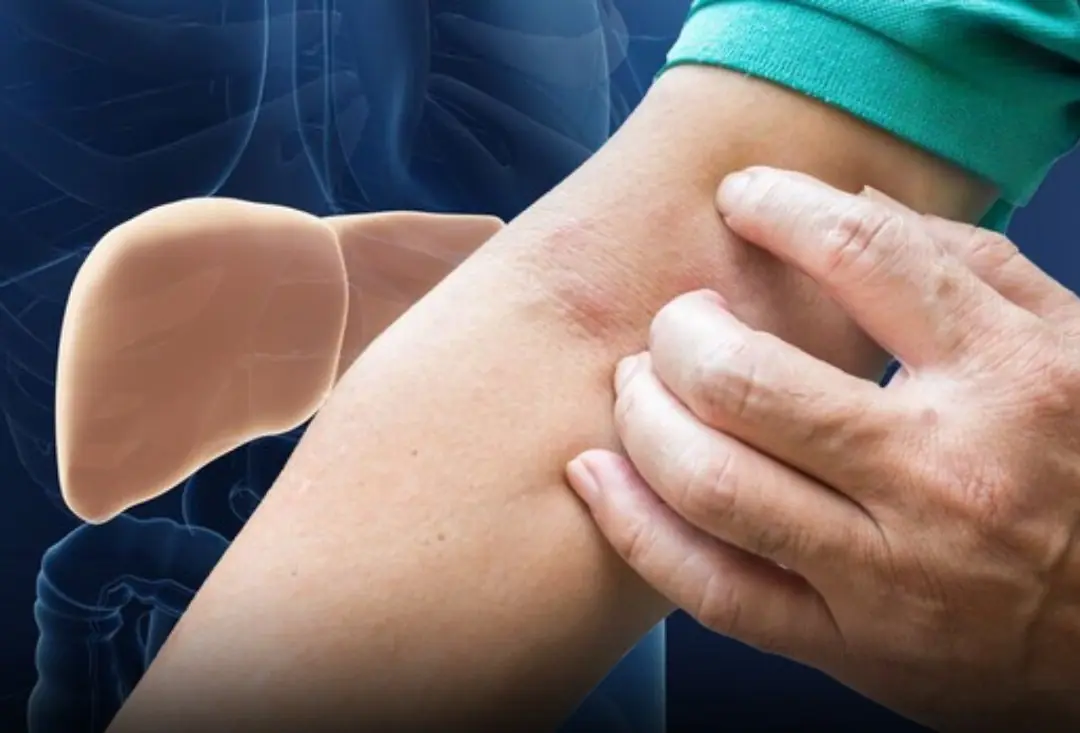
1. Persistent Itching Without a Clear Cause
Unexplained, long-lasting itching can be an early but serious sign of liver dysfunction. This type of itching often affects the arms, legs, palms, or soles of the feet and does not improve with lotions or allergy treatments.
When the liver is damaged, bile salts can build up in the bloodstream instead of being properly processed. These substances irritate nerve endings in the skin, leading to intense itching that may worsen at night. While itching alone does not confirm liver disease, persistent itching without an obvious cause should never be ignored.
2. Yellowing of the Skin or Eyes (Jaundice)
One of the most recognizable signs of severe liver problems is jaundice. This condition causes the skin and the whites of the eyes to turn yellow. It occurs when the liver cannot effectively process bilirubin, a yellow pigment produced during the breakdown of red blood cells.
Jaundice often appears alongside other symptoms such as dark urine, pale or clay-colored stools, and general fatigue. These changes signal that bile flow is disrupted, which may indicate hepatitis, cirrhosis, bile duct obstruction, or liver cancer. Jaundice is always a medical red flag and requires immediate evaluation.
3. Easy Bruising and Bleeding
If bruises appear easily or bleeding takes longer than usual to stop, the liver may be struggling. The liver produces proteins that help blood clot properly. When liver function declines, these clotting factors decrease, making the body more prone to bruising, nosebleeds, bleeding gums, or prolonged bleeding from minor cuts.
This symptom often signals advanced liver disease, including cirrhosis. It is especially concerning when combined with fatigue, weakness, or swelling elsewhere in the body.
4. Swelling in the Abdomen or Legs
Abnormal fluid buildup is another serious warning sign. Swelling in the abdomen, known as ascites, occurs when the liver can no longer regulate fluids and blood pressure effectively. The abdomen may appear enlarged, tight, or heavy, even without weight gain.
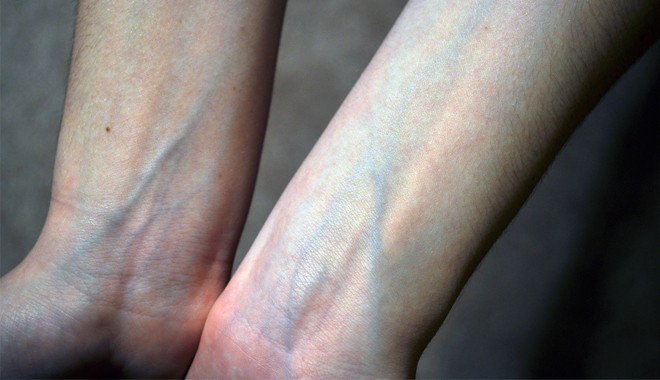
Similarly, swelling in the legs, ankles, and feet can result from low protein levels in the blood due to liver dysfunction. This type of swelling often worsens by the end of the day and improves slightly after rest. Persistent or worsening swelling is a strong indicator that the liver may be in a severe stage.
5. Chronic Fatigue, Confusion, or Mental Changes
Extreme tiredness that does not improve with rest is common in advanced liver disease. The liver plays a key role in energy metabolism and toxin removal. When it fails, toxins such as ammonia can accumulate in the bloodstream and affect the brain.
This can lead to confusion, memory problems, difficulty concentrating, mood changes, or even personality shifts. In severe cases, a condition called hepatic encephalopathy may develop, causing disorientation or altered consciousness. Mental changes should always be taken seriously, especially when combined with other physical symptoms.
Why Early Action Matters
The liver has a remarkable ability to regenerate, but only up to a point. Once damage progresses to advanced fibrosis or cirrhosis, much of that damage becomes irreversible. However, early diagnosis can slow or stop progression, reduce complications, and significantly improve quality of life.
Blood tests, imaging studies, and physical examinations can detect liver issues long before symptoms become life-threatening. Lifestyle changes, medications, and targeted treatments can make a critical difference when started early.
Final Thought
The liver rarely cries out in pain. Instead, it sends quiet signals through the skin, the blood, the mind, and the body’s balance of fluids. Ignoring these signals can allow silent damage to progress unchecked.
If even one of these warning signs appears, seeing a doctor promptly is not a precaution — it is a necessity. Early attention can protect not just the liver, but the entire body that depends on it every single day.