5 Common Refrigerator Mistakes That Can Multiply Bacteria by 10 Times
The refrigerator is meant to preserve food and protect health. However, using it incorrectly can turn it into a breeding ground for bacteria, significantly increasing the risk of food contamination and foodborne illness. According to food safety experts, several everyday habits can cause bacteria levels in refrigerators to rise dramatically — even up to ten times higher than normal.
Here are five common mistakes many households unknowingly make.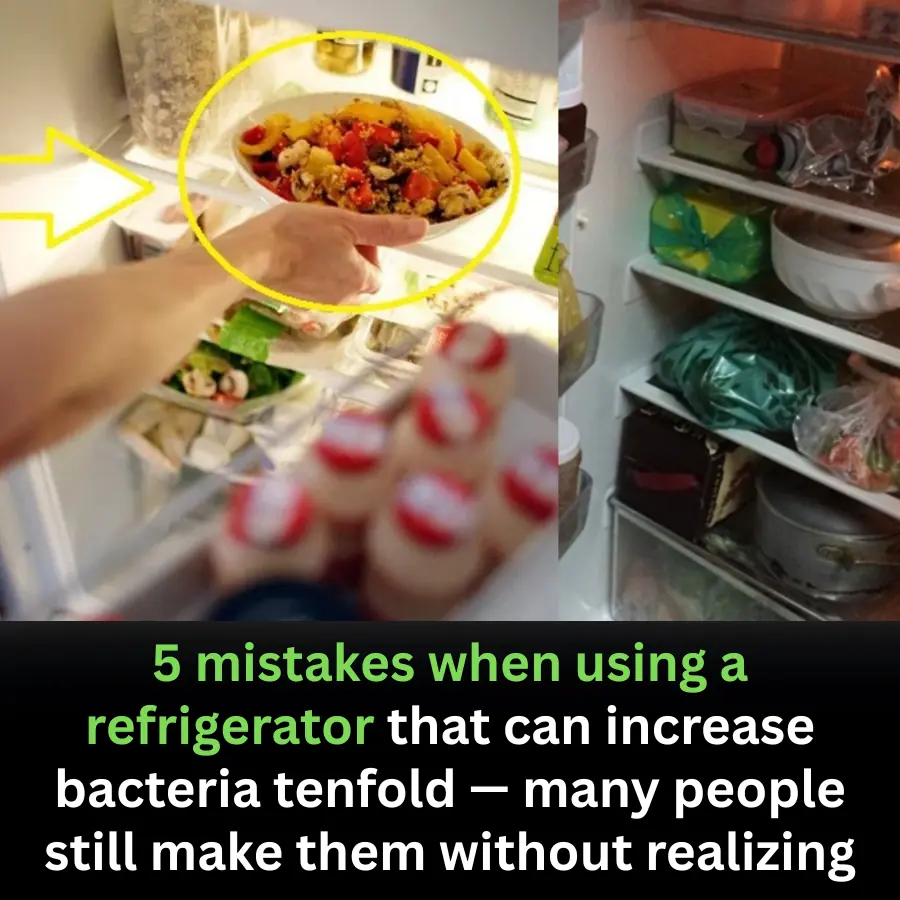
1. Overloading the Refrigerator
Packing the fridge too full restricts air circulation, preventing cold air from distributing evenly. This creates warm spots where bacteria can thrive, especially around the back and corners of shelves.
2. Storing Hot Food Directly Inside
Placing hot or warm food straight into the refrigerator raises the internal temperature. This not only encourages bacterial growth but also puts other stored foods at risk. Always allow food to cool to room temperature first.
3. Never Cleaning the Refrigerator Regularly
Spilled liquids, food crumbs, and expired items become ideal environments for bacteria and mold. Experts recommend cleaning the refrigerator at least once every 1–2 weeks, including shelves, drawers, and door seals.
4. Mixing Raw and Cooked Foods
Storing raw meat, seafood, and cooked foods together can lead to cross-contamination. Raw foods often carry harmful bacteria that can spread to ready-to-eat items if not properly separated and sealed.
5. Using the Wrong Temperature Settings
Many people assume “colder is better” or never check their fridge temperature at all. The ideal refrigerator temperature is 0–4°C (32–39°F). Temperatures above this range allow bacteria to multiply rapidly.
Why This Matters
Harmful bacteria such as Salmonella, Listeria, and E. coli can survive and multiply in poorly managed refrigerators. These bacteria may cause food poisoning, gastrointestinal infections, and serious health complications — especially in children, the elderly, and people with weakened immune systems.
How to Use Your Refrigerator Safely
-
Store food in airtight containers
-
Separate raw and cooked foods clearly
-
Check temperature settings regularly
-
Discard expired or spoiled items promptly
-
Clean spills immediately
Final Reminder
A refrigerator only protects your health if it’s used correctly. Small daily habits can make a big difference in preventing bacteria buildup and keeping your family safe.