Applying Medicated Oil to the Soles Before Sleep: A Traditional Practice with Potential Benefits
In many Asian households, applying medicated oil to the body is a familiar remedy passed down through generations. Recently, attention has turned to a simple habit: gently massaging medicated oil onto the soles of the feet before going to bed. Many people report noticeable improvements the next morning — from better sleep to a lighter, more relaxed body.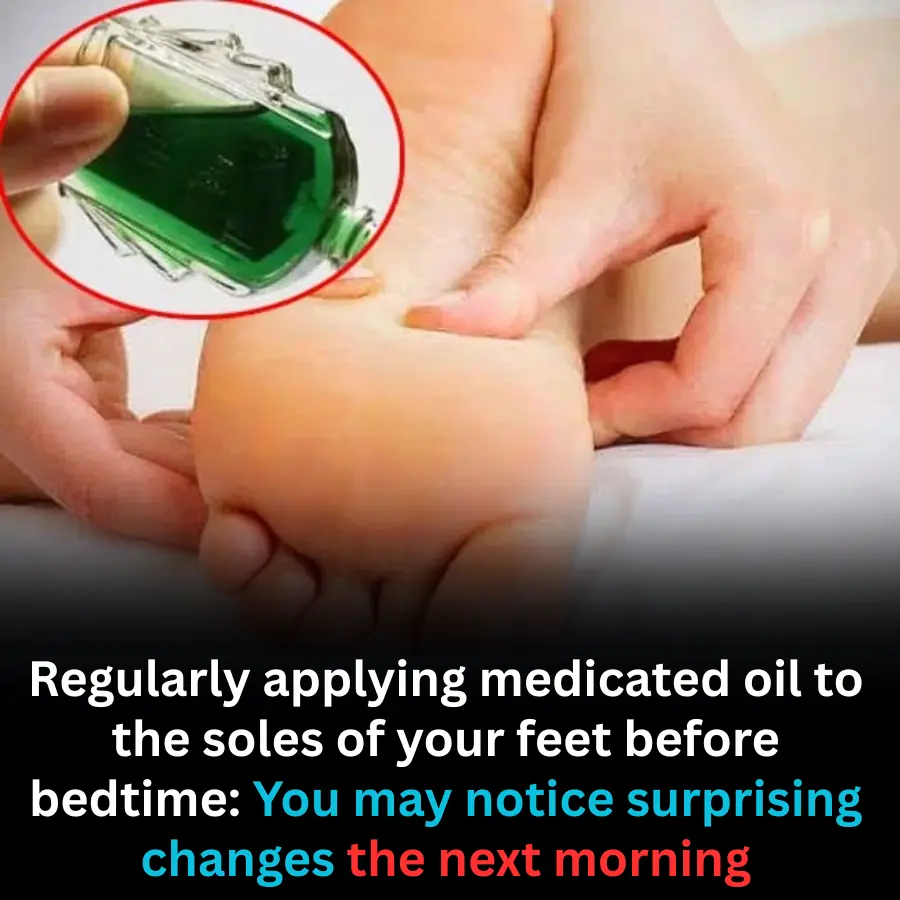
Why the soles of the feet matter
According to traditional medicine theories, the soles of the feet contain numerous nerve endings and reflex zones connected to different organs in the body. Stimulating these areas through massage may help promote circulation, relax the nervous system, and support overall balance.
Modern anatomy also confirms that the feet are rich in blood vessels and nerve receptors, making them highly responsive to touch and temperature changes.
Potential benefits people commonly report
Those who practice this habit regularly often describe:
-
Falling asleep more easily
-
Deeper, less interrupted sleep
-
Warmer feet and reduced nighttime chills
-
Less morning fatigue or stiffness
The warming sensation from medicated oil, combined with gentle massage, may help the body shift into a relaxed, rest-ready state.
How medicated oil may help
Most medicated oils contain ingredients such as menthol, eucalyptus, camphor, or herbal extracts. These compounds can:
-
Create a warming or soothing sensation
-
Temporarily relieve muscle tension
-
Promote relaxation through sensory stimulation
When applied before sleep, this may support the body’s natural recovery processes overnight.
How to do it safely
Experts recommend:
-
Using a small amount of oil
-
Massaging gently for 2–5 minutes per foot
-
Avoiding broken or irritated skin
-
Washing hands after application
People with sensitive skin, chronic conditions, or allergies should test a small area first or consult a healthcare professional.
A helpful habit, not a cure
Health professionals emphasize that this practice does not replace medical treatment. However, as a low-cost, low-risk habit, it may be a helpful addition to a healthy bedtime routine focused on relaxation and sleep quality.
Sometimes, small nightly habits can make mornings feel noticeably better.