
These 5 Foot Symptoms Could Be a Hidden Warning Sign of Diabetes
Diabetes is often called a “silent disease” because its early symptoms can be subtle and easily overlooked. While many people associate diabetes with thirst, fatigue, or frequent urination, doctors say the feet can reveal some of the earliest warning signs. Because diabetes directly affects blood circulation and nerve health, changes in the feet may appear long before a formal diagnosis is made. Paying attention to these signs could lead to earlier detection and better long-term outcomes.
1. Persistent numbness or tingling
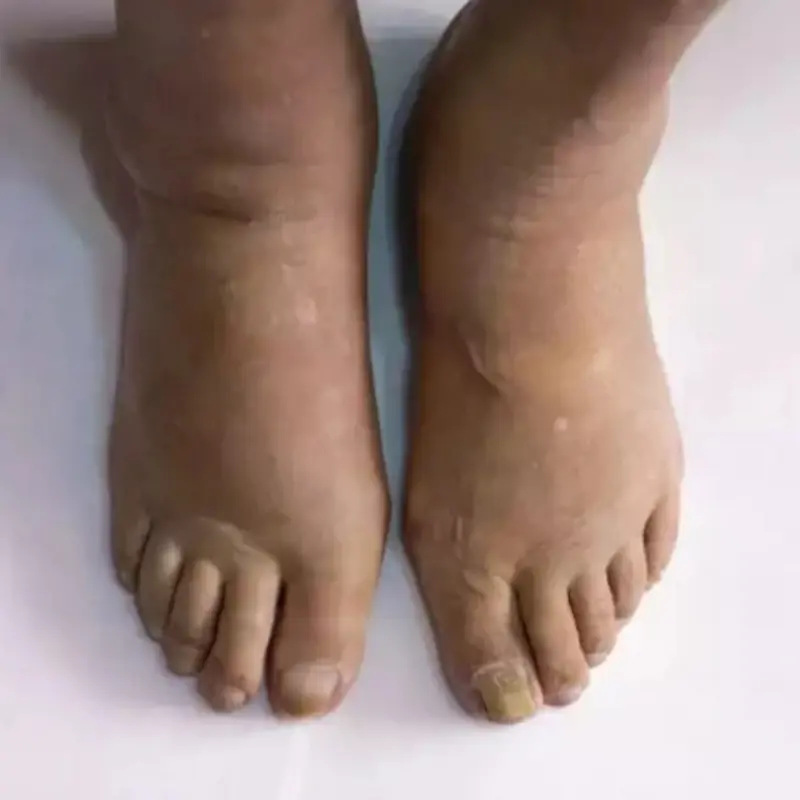
One of the most common foot-related symptoms of diabetes is numbness, tingling, or a “pins and needles” sensation. This occurs due to diabetic neuropathy, a type of nerve damage caused by prolonged high blood sugar levels. At first, the sensation may come and go, especially at night. Over time, it can become constant, making it difficult to feel temperature changes or pain. Doctors warn that ignoring this symptom increases the risk of unnoticed injuries.
2. Burning or sharp pain in the feet
Some people experience burning, stabbing, or electric shock–like pain in their feet, especially when resting. This discomfort is another sign of nerve involvement and often worsens at night. While occasional foot pain can be caused by fatigue or footwear, persistent or unexplained pain should not be ignored. In people with undiagnosed diabetes, this symptom may be one of the earliest clues that blood sugar levels are affecting the nervous system.
3. Cold feet or changes in skin color
Diabetes can impair blood circulation, particularly in the lower extremities. As a result, the feet may feel unusually cold, even in warm environments. Some individuals also notice changes in skin color, such as pale, bluish, or reddish tones. Poor circulation not only causes discomfort but also slows healing and increases the risk of infections. Doctors emphasize that circulation problems in the feet are a serious concern and should be evaluated promptly.
4. Slow-healing cuts, blisters, or sores
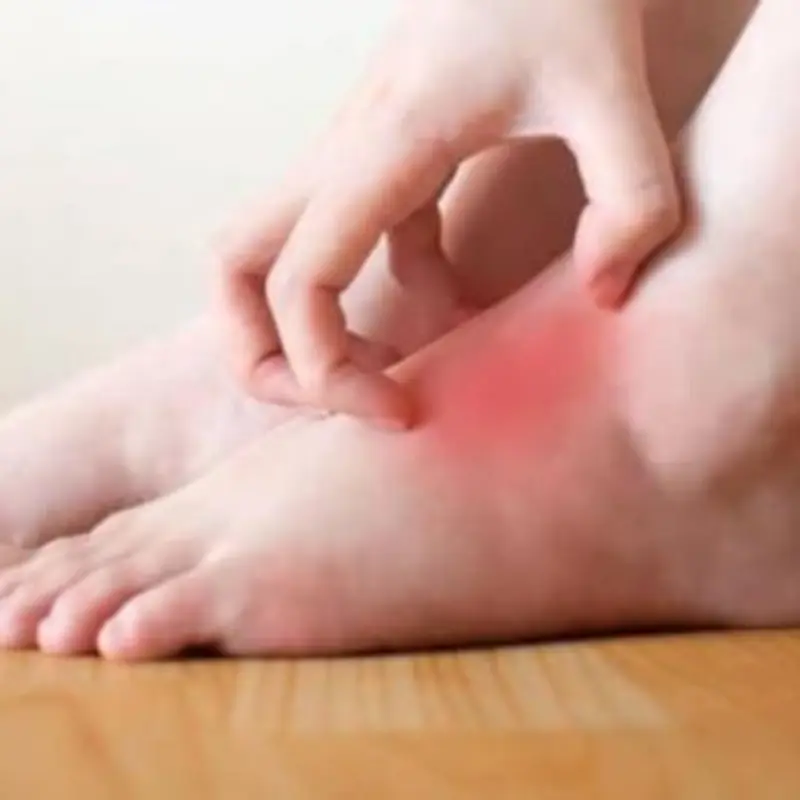
Healthy feet typically heal quickly from minor cuts or blisters. However, in people with diabetes, wounds on the feet may take much longer to heal or fail to heal altogether. High blood sugar weakens the immune response and damages blood vessels, reducing the body’s ability to repair tissue. Even small sores can become infected and develop into serious complications if left untreated. This is why foot care is a critical part of diabetes management.
5. Dry, cracked, or itchy skin
Dry, cracked skin on the feet—especially around the heels—can also signal underlying diabetes. Nerve damage can reduce the skin’s ability to produce natural oils, leading to dryness and irritation. Cracks in the skin create openings for bacteria, increasing the risk of infection. Persistent itching or flaking that does not improve with basic care may indicate a deeper metabolic issue rather than a simple skin condition.
News in the same category


Every morning when you wake up, you must pay attention to your health

If you notice someone with prominent veins, make sure they hear this advice

Too many people with irregular bl.o.od sugar levels don’t notice the signals their bodies give!

5 Dangerous Habits That Are Destroying Your Liver — Stop Them Now Before It’s Too Late

1 minute to “check your kidneys” at home: Strong or weak, you can tell at a glance — advice from a veteran physician with 40 years of experience

Persistent pain in certain areas of the body can be a warning sign of kidney damage or kidney disease

According to a psychological perspective the reasons why a woman..

Scientists identify 8 early symptoms seen in 23% of can.cer patients: They appear very early — anyone experiencing them should see a doctor

What used to be pig feed suddenly turned into "green gold", priced at 1 million/kg but still "sold out"

Suffering from Canker Sores? Here Are 3 Powerful Home Treatments You Should Try

Morning Warning: Spot This Sign When You Wake Up? Don’t Ignore — It May Signal C.a.n.cer

Warning: Two foods considered the strongest “triggers” for can:cer

7 seemingly minor illnesses that keep recurring may be early warning signs of can.cer

Does eating liver really nourish the liver? The scientific truth may surprise you

7 warning signs of nasopharyngeal can.cer: Miss the first one, and treatment becomes extremely difficult.

Stroke and heart attacks often target this group: 7 things you must do now before it’s too late

This vegetable is known as the ‘king of anti-cancer vegetables’: Small in size, but surprisingly powerful in health benefits

Why Many Japanese People Sleep with Socks On All Year Round
News Post

Okra Is Nutritious, but These 5 Groups of People Should Avoid It

Packed with powerful nutrients, these 3 humble vegetables are hailed in Japan

Every morning when you wake up, you must pay attention to your health

If you notice someone with prominent veins, make sure they hear this advice

Too many people with irregular bl.o.od sugar levels don’t notice the signals their bodies give!

5 Dangerous Habits That Are Destroying Your Liver — Stop Them Now Before It’s Too Late

1 minute to “check your kidneys” at home: Strong or weak, you can tell at a glance — advice from a veteran physician with 40 years of experience

Persistent pain in certain areas of the body can be a warning sign of kidney damage or kidney disease

According to a psychological perspective the reasons why a woman..

Scientists identify 8 early symptoms seen in 23% of can.cer patients: They appear very early — anyone experiencing them should see a doctor

What used to be pig feed suddenly turned into "green gold", priced at 1 million/kg but still "sold out"

Creamy Cajun Lobster Rolls

Suffering from Canker Sores? Here Are 3 Powerful Home Treatments You Should Try

Morning Warning: Spot This Sign When You Wake Up? Don’t Ignore — It May Signal C.a.n.cer

Grilled Chicken & Veggie Bowl

Warning: Two foods considered the strongest “triggers” for can:cer

7 seemingly minor illnesses that keep recurring may be early warning signs of can.cer

Does eating liver really nourish the liver? The scientific truth may surprise you
