Your Feet Are a “Blood Sugar Meter”: Beware of Diabetes If You Frequently Experience These 12 Symptoms
Diabetes often develops quietly. Many people focus on blood tests and ignore what their bodies are already signaling. Doctors point out that the feet are one of the earliest and most revealing areas affected by high blood sugar, because they rely heavily on healthy nerves, blood vessels, and circulation.
If blood sugar remains uncontrolled, damage may begin long before a formal diagnosis. Paying attention to changes in your feet can provide valuable early warning signs.
Why Diabetes Shows Up in the Feet First
High blood sugar damages small blood vessels and nerves over time. The feet are especially vulnerable because they are farthest from the heart and depend on strong circulation and nerve signaling.
As a result, problems related to diabetes often appear in the feet earlier and more clearly than in other parts of the body.
12 Foot Symptoms That May Signal Blood Sugar Problems
1. Frequent Numbness or Tingling
A pins-and-needles sensation, burning, or numbness in the feet can indicate diabetic nerve damage (neuropathy).
2. Cold Feet, Even in Warm Weather
Poor circulation caused by diabetes can make feet feel persistently cold.
3. Slow-Healing Cuts or Wounds
If small cuts or blisters take weeks to heal, high blood sugar may be interfering with tissue repair.
4. Swelling in Feet or Ankles
Fluid retention can occur when diabetes affects kidney or circulatory function.
5. Dry, Cracked Skin
Diabetes can reduce sweat and oil production, leading to excessively dry or cracked feet, which increases infection risk.
6. Changes in Skin Color
Feet may appear unusually pale, reddish, or bluish due to circulation issues.
7. Frequent Foot Infections
Fungal infections, athlete’s foot, or recurring skin infections may become more common with elevated blood sugar.
8. Pain When Walking or Standing
Pain, cramping, or heaviness in the feet or calves may indicate poor blood flow.
9. Loss of Sensation
Reduced ability to feel temperature, pain, or pressure increases the risk of unnoticed injuries.
10. Thickened or Discolored Toenails
Fungal nail infections are more common when blood sugar is not well controlled.
11. Foot Deformities or Shape Changes
Long-term nerve damage can weaken foot muscles, leading to structural changes over time.
12. Unusual Foot Odor
Persistent odor may signal infection or tissue breakdown, even without visible wounds.
Why These Symptoms Are Often Ignored
Many people assume foot discomfort is due to aging, long hours of standing, uncomfortable shoes, or fatigue. Because these symptoms usually develop gradually, they are easy to dismiss.
Unfortunately, delayed attention allows diabetes-related damage to progress, increasing the risk of ulcers, infections, and serious complications.
Who Should Be Especially Alert?
You should be extra cautious if you:
-
Have a family history of diabetes
-
Are overweight or inactive
-
Have high blood pressure or cholesterol
-
Experience frequent thirst or urination
-
Feel persistent fatigue
For these individuals, foot symptoms should never be ignored.
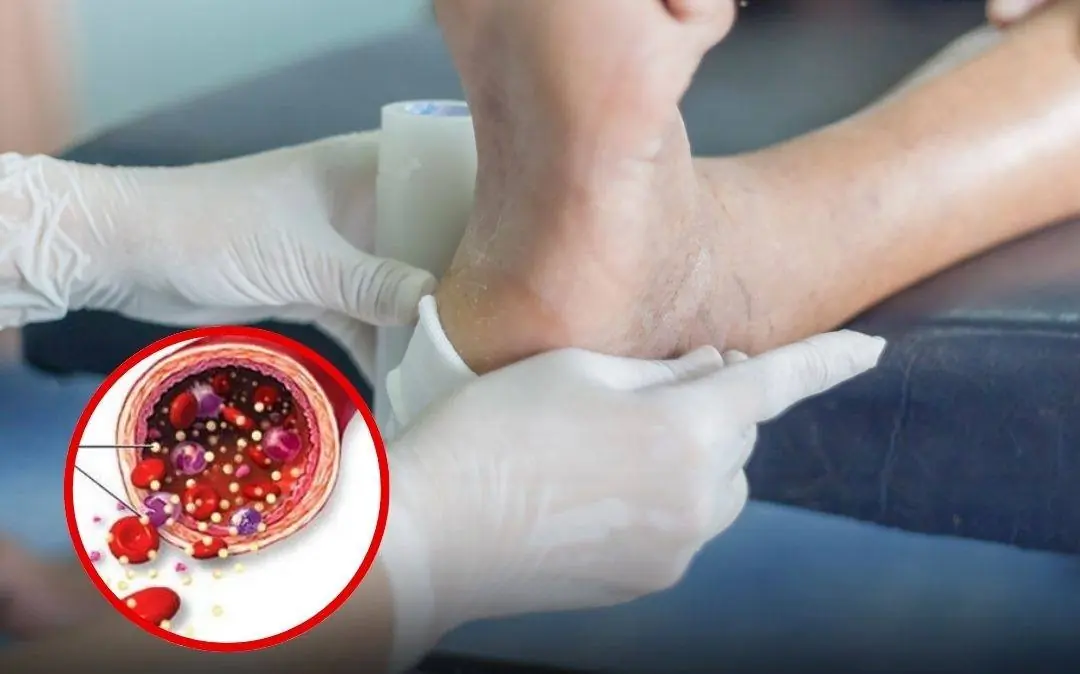
What To Do If You Notice These Signs
Experiencing one symptom does not automatically mean diabetes. However, multiple or recurring symptoms strongly suggest the need for medical evaluation.
Doctors recommend:
-
Blood sugar testing
-
Routine foot examinations
-
Early lifestyle changes
Early detection allows diabetes to be managed effectively, often preventing long-term damage.
How to Protect Your Feet and Blood Sugar
Simple habits can make a big difference:
-
Maintain stable blood sugar levels
-
Inspect feet daily for cuts or changes
-
Wear comfortable, well-fitting shoes
-
Keep feet clean and moisturized
-
Stay physically active to improve circulation
Foot care is not cosmetic—it is a critical part of metabolic health.
The Bottom Line
Your feet often reveal what blood tests confirm later. Numbness, pain, swelling, skin changes, and slow healing are not random issues—they may be early signs of blood sugar imbalance.
Listening to these warning signals and acting early can prevent serious complications and protect long-term health. When it comes to diabetes, early awareness is one of the most powerful tools you have