CCTV Captures Bizarre Tiger Behavior After Deadly Yorkshire Wildlife Park Tragedy!
After a wildlife handler’s reported death, unusual tiger footage raises questions that demand careful investigation.
A tiger standing unusually still. A familiar-looking enclosure appearing in CCTV footage. Reports that the animal repeatedly returned to the same place, seemingly refusing to move on. And behind the unsettling images, a tragedy involving a wildlife handler at Yorkshire Wildlife Park.
The story is disturbing not simply because of the animal’s unusual behavior, but because it raises a question that is far more difficult to answer: what was the tiger actually responding to?
The image accompanying the headline brings together several striking elements: a tiger in an enclosure, a photograph of a young man identified in the accompanying report as wildlife handler William Chapman, a night-time CCTV image, and blurred footage that appears to show an animal close to a person. Red circles draw attention to the scenes, encouraging viewers to connect them.
But a dramatic image is not the same as a complete explanation. The accompanying text makes claims about the tiger repeatedly returning to the incident site and remaining motionless for extended periods. It also mentions an unusual mechanical vibration and an alleged frequency of 18 hertz. Crucially, the screenshot itself says that these claims and the investigation findings remain unverified.
That distinction matters. The reported death deserves serious attention, and the animal’s welfare deserves careful consideration. But neither should be turned into a mystery story in which speculation is presented as established fact.
To understand why the footage has attracted attention, it is necessary to look beyond the red circles and examine the circumstances described, the possible explanations for unusual animal behavior, and the evidence that would be needed to establish what happened.
The central question is not whether the footage looks strange. It is whether investigators can demonstrate what caused the behavior—and whether that explanation has any confirmed connection to the reported tragedy.
Chapter 1: The Tragedy Behind the CCTV Headlines
The first thing that must be understood is the difference between the confirmed tragedy and the extraordinary claims being circulated around it.
The screenshot describes William Chapman as a wildlife handler and suggests that the tiger displayed unusual behavior after his death. However, reporting published after the incident identifies Chapman as a 24-year-old visitor to Yorkshire Wildlife Park, not an employee or animal handler. The reported incident occurred on October 10, 2026, when he entered the enclosure containing an Amur tiger named Altai. He died after the animal made physical contact with him. An inquest opening heard that he had climbed over two fences to enter the enclosure.
This correction is essential because the role of the person involved changes the context of the story. The screenshot’s description could lead readers to believe that a trained employee was carrying out normal duties inside an enclosure when something went wrong. The available reporting instead describes a visitor entering an area intended to keep people separated from a powerful wild animal.
The distinction does not make the tragedy less serious. A young man died, his family lost someone they loved, and the incident placed enormous pressure on the people responsible for the park, its visitors, and its animals. It does mean that the circumstances should be described accurately.
What happened at Yorkshire Wildlife Park?
Yorkshire Wildlife Park is a wildlife attraction near Doncaster in South Yorkshire, England. It is known for large animal habitats, including an area called Land of the Tigers. The park houses Amur tigers, a population of the tiger species also commonly known as Siberian tigers.
The incident involving Chapman occurred at the tiger enclosure. According to the reporting of the inquest, he entered the enclosure after climbing over two barriers. The tiger approached him, and the physical encounter resulted in multiple traumatic injuries. He was pronounced dead at the scene.
The circumstances were shocking to visitors and staff. A wildlife park is designed to allow people to observe animals while maintaining barriers between visitors and potentially dangerous species. These boundaries are not decorative features. They are part of the safety system that makes it possible for people to see large predators without entering their territory.
A tiger is not a domestic animal, and even one that has lived in managed care for years remains a powerful predator. It has natural instincts, strength, speed, and physical abilities that can make close contact extremely dangerous. The animal does not understand the rules of a visitor attraction in the same way a person does.
For that reason, the enclosure is designed around separation. Fences, viewing platforms, gates, signs, staff procedures, and visitor instructions all serve a purpose. When someone crosses those barriers, the conditions that normally protect both people and animals are suddenly changed.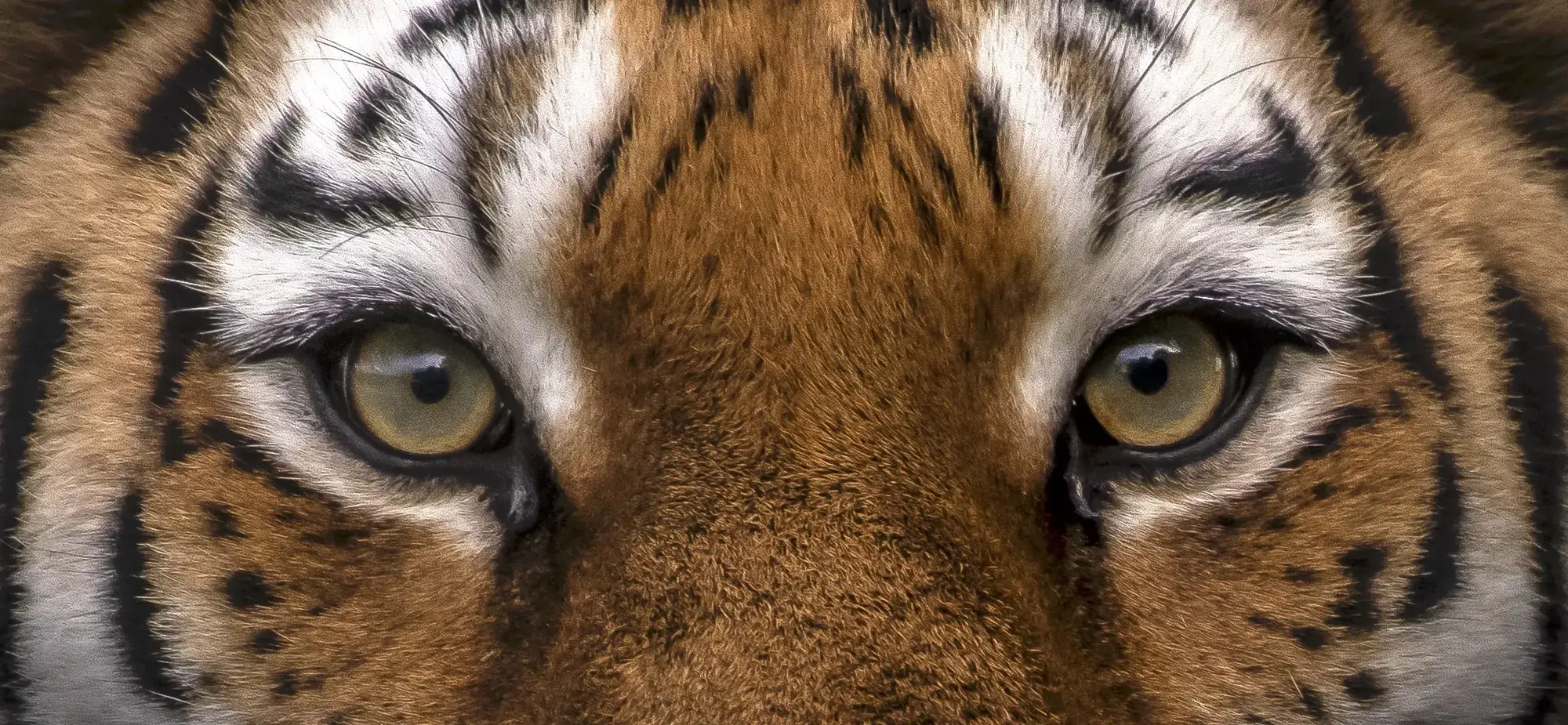
The man named in the reports
The name William Chapman became public in the days after the incident. His family described him as a bright, warm, and engaging young man whom they loved deeply. Their statement also asked the public to stop circulating deeply distressing material connected with his death.
That request deserves to be taken seriously.
When a tragedy occurs in a public place, photographs and videos can spread quickly. People may share them because they are shocked, curious, or trying to understand what happened. But for a family, each repeated image can become another painful reminder of the loss.
A responsible article should not reproduce distressing footage or treat a person's final moments as entertainment. The focus should remain on what can be established, the questions that still need answers, and the human consequences of the incident.
It is also important not to reduce Chapman to the circumstances of his death. The family’s description makes clear that he was a loved person with relationships and a life beyond the headlines. That is a more respectful way to remember him than focusing only on the dramatic details of the attack.
The tiger at the centre of the incident
The tiger involved was named Altai. He is an Amur tiger, a large subspecies adapted to the forests and colder regions of northeastern Asia. These animals are powerful, muscular predators with strong limbs, sharp claws, and teeth designed for hunting.
The public reaction after the incident included concern about what would happen to Altai. Some people wondered whether the tiger would be euthanised. The park subsequently stated that the animal was safe and well and would not be put down as a consequence of the incident.
That decision reflects an important distinction in animal management. A tiger that reacts to a person entering its enclosure is not automatically demonstrating abnormal behavior. The animal is responding within an environment that has suddenly become very different from the one it normally experiences.
The responsibility for preventing such encounters lies in maintaining effective barriers, procedures, and supervision. The animal cannot be expected to understand that a person has crossed into its space by mistake, deliberately, or under circumstances that are not yet fully understood.
The question of Altai’s future therefore involves animal welfare, safety, and the findings of the relevant investigations. It should not be reduced to public anger or emotional reactions to footage.
Why the CCTV headline has caused confusion
The screenshot uses a dramatic headline: “CCTV Captures Bizarre Tiger Behavior After Deadly Yorkshire Wildlife Park Tragedy!” It then claims that the tiger repeatedly returned to the incident site and remained motionless for long periods.
Those claims are striking because they suggest that the animal behaved in a way that might be interpreted as unusual or even emotionally meaningful after the fatal encounter.
But the screenshot does not provide the original CCTV recording, a verified timeline, an expert assessment, or a complete investigation report. It also mentions an alleged mechanical vibration and a frequency of 18 hertz without showing how that figure was measured or who established its relevance.
This means the claims cannot be treated as confirmed findings.
A video clip can show what an animal did at a particular moment. It cannot, by itself, explain why the animal behaved that way. To establish a cause, investigators would need to examine the recording in context, consider the animal's normal routines, review the enclosure environment, and assess possible sounds, vibrations, lighting changes, or other stimuli.
The headline may encourage readers to imagine that the tiger was reacting to the death in a mysterious way. But the evidence presented in the screenshot does not establish that interpretation.
And that leads to the next question: what does unusual tiger behavior actually mean?