To many people around the world, wearing socks to bed—especially in summer—may seem uncomfortable or unnecessary. However, in Japan, sleeping with socks on throughout the year is surprisingly common. This habit is not simply a matter of preference or fashion, but a practice rooted in health beliefs, cultural traditions, and modern scientific understanding of sleep quality and circulation.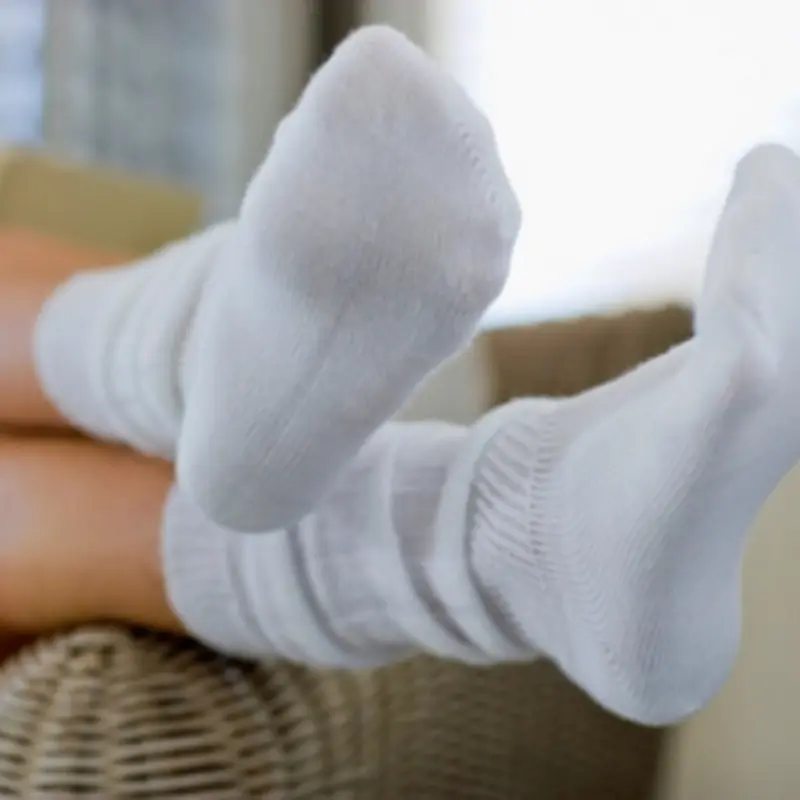
One of the main reasons Japanese people wear socks to sleep is body temperature regulation. According to sleep experts, falling asleep is easier when the body’s core temperature drops slightly. Wearing socks warms the feet, which helps blood vessels dilate and allows heat to escape from the body more efficiently. This process, known as peripheral vasodilation, can actually help the body cool down faster overall, leading to quicker and deeper sleep.
In Japan, this concept aligns closely with traditional health ideas. Japanese culture places strong emphasis on keeping the extremities warm, especially the feet. The belief is that cold feet can disrupt blood flow and negatively affect internal organs. This idea is deeply connected to traditional practices such as onshitsu (warming therapies) and the long-standing view that balance within the body is essential for good health.
Another important factor is circulation. Many Japanese people, particularly women and older adults, experience a condition commonly referred to as “cold sensitivity,” where hands and feet feel cold even in warm environments. Wearing socks at night helps maintain steady circulation during sleep, reducing nighttime discomfort and preventing sudden awakenings caused by cold feet.
The practice is also influenced by Japan’s housing design and climate. Traditional Japanese homes often have less insulation compared to Western houses. Floors are commonly made of wood or tatami mats, which can feel cold even during warmer months. Because of this, the feet are more exposed to temperature changes, making socks a simple and effective solution to stay comfortable during sleep.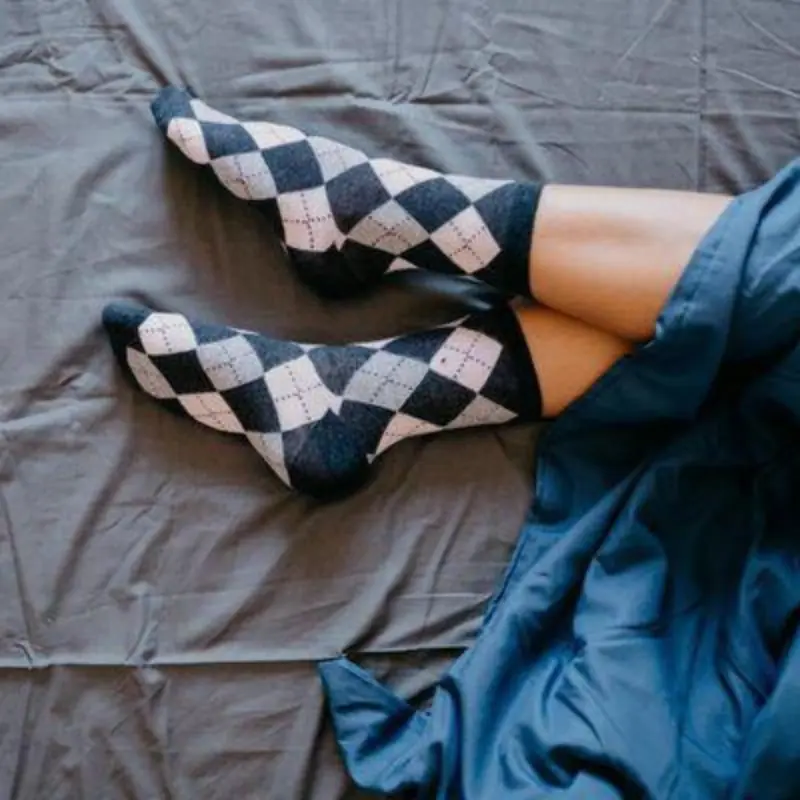
From a modern medical perspective, sleeping with socks may also help with sleep disorders. Studies have shown that people who keep their feet warm at night tend to fall asleep faster and experience fewer nighttime awakenings. For individuals who suffer from insomnia or restless sleep, socks can be a low-cost, non-medical way to improve sleep quality.
In addition, wearing socks at night may benefit people with poor circulation or nerve sensitivity, such as those with diabetes or mild peripheral neuropathy, provided the socks are not too tight. Japanese doctors often recommend loose, breathable socks made of cotton or wool to avoid restricting blood flow.
Cultural habits also play a role. In Japan, cleanliness and comfort are highly valued. Socks worn specifically for sleeping are often separate from daytime socks, kept clean and soft. This distinction makes the practice feel more hygienic and intentional, rather than something done out of convenience.
It is worth noting, however, that Japanese people are careful about how they wear socks to bed. Tight socks that leave marks on the ankles are generally avoided, as they can restrict circulation. Instead, many choose specially designed sleep socks that are loose-fitting and moisture-absorbing. This helps prevent overheating or excessive sweating, even during hot summer nights.
Interestingly, while some cultures believe that sleeping with socks can cause illness, Japanese health experts emphasize that the key is moderation and comfort. If socks make a person feel too hot or uncomfortable, they are unnecessary. The practice is meant to support the body’s natural processes, not override them.
In conclusion, the reason many Japanese people sleep with socks on all year round is a combination of health awareness, cultural tradition, environmental factors, and scientific understanding of sleep. Far from being a strange habit, it reflects a thoughtful approach to comfort and well-being. As sleep science continues to evolve, this simple practice may gain even more recognition worldwide as an easy way to improve sleep quality—one pair of socks at a time.