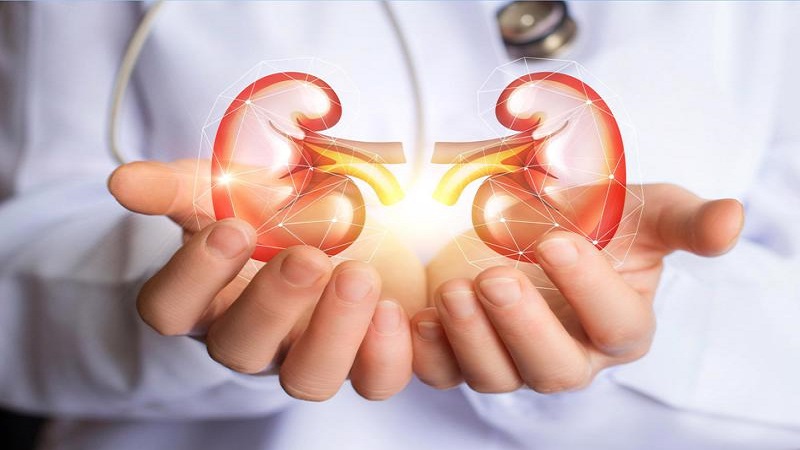
The kidneys are small but incredibly powerful organs. Every day, they filter waste and excess fluids from the blo.od, regulate electrolytes, help control blood pressure, support red blo.od cell production, and maintain overall balance within the body. When the kidneys are healthy, these processes happen quietly and efficiently - often without us noticing.
However, when kidney function begins to decline, toxins and waste products can slowly build up in the body. What makes kidney disease especially dangerous is that it often progresses silently. Many people do not experience obvious symptoms until significant damage has already occurred. That is why recognizing early warning signs is critical. Detecting kidney problems early can help prevent further damage and allow for timely, effective treatment.
Below are eight common signs that may indicate unhealthy kidneys, followed by clear, actionable steps you can take to protect these vital organs.
1. Changes in Urination Patterns
Urine production is one of the kidneys’ most important roles. Any noticeable change in how often or how much you urinate can be an early sign that something is wrong.
What to watch for:
-
Frequent urination, especially at night (nocturia)
-
Reduced urine output, even when fluid intake is normal
-
Foamy or bubbly urine, which may indicate excess protein in the urine
-
Urine that appears darker, cloudy, or unusually colored
Why it matters:
These changes often reflect how well the kidneys are filtering waste and maintaining fluid balance. When kidney function declines, urine output and composition may become irregular or abnormal.
2. Swelling in the Legs, Ankles, or Feet
Swelling, also known as edema, is a common symptom of kidney dysfunction. When the kidneys struggle to remove excess sodium and fluid, that fluid can accumulate in the body.
What to watch for:
-
Puffiness or swelling in the feet, ankles, or lower legs
-
A heavy or tight feeling in the limbs
-
Shoes, socks, or clothing feeling suddenly tight
Why it matters:
Fluid retention is a clear sign that the kidneys are no longer maintaining proper balance. Swelling often becomes more noticeable in the evening and may worsen over time..jpg)
3. Persistent Fatigue and Weakness
Feeling tired occasionally is normal, but ongoing fatigue without a clear cause can signal kidney trouble.
What to watch for:
-
Constant exhaustion despite adequate sleep
-
Reduced stamina and motivation
-
Difficulty concentrating or feeling mentally foggy
Why it matters:
Healthy kidneys produce erythropoietin, a hormone that helps the body make red blood cells. When kidney function declines, red blood cell production drops, leading to anemia. Reduced oxygen delivery to tissues results in fatigue, weakness, and low energy.
4. Shortness of Breath
Breathing difficulties can sometimes be linked to kidney problems, particularly when fluid builds up in the lungs.
What to watch for:
-
Feeling breathless after mild activity
-
Difficulty breathing while lying down
-
Waking at night feeling short of breath
Why it matters:
Excess fluid in the lungs (pulmonary edema) can severely limit oxygen intake. In addition, anemia caused by kidney disease can also contribute to breathlessness. This symptom requires prompt medical attention.
5. Persistent Lower Back or Side Pain
While many cases of back pain are muscular, kidney-related pain has distinct characteristics.
What to watch for:
-
Dull or sharp pain in the lower back or sides, just below the ribs
-
Pain on one or both sides of the body
-
Pain that does not improve with movement or rest
Why it matters:
Kidney infections, inflammation, or kidney stones can cause persistent pain in this area. Ignoring it can allow infection or damage to worsen.
6. Skin Itching, Rashes, or Dryness
When kidneys fail to remove toxins efficiently, waste products can accumulate in the bloodstream and affect the skin.
What to watch for:
-
Persistent itching that does not respond to moisturizers
-
Dry, irritated, or flaky skin
-
Unexplained rashes
Why it matters:
These skin symptoms may indicate advanced toxin buildup and mineral imbalances in the body - common in declining kidney function.
7. Metallic Taste in the Mouth or Ammonia-Like Breath
Kidney dysfunction can significantly affect taste and breath.
What to watch for:
-
A constant metallic or bitter taste
-
Loss of appetite or food tasting unpleasant
-
Breath that smells like ammonia
Why it matters:
This condition, known as uremia, occurs when waste products accumulate in the blood. It is a serious sign that kidney function is significantly impaired and requires medical evaluation.
8. Nausea and Vomiting
As toxins build up in the body, the digestive system is often affected.
What to watch for:
-
Persistent nausea, especially in the morning
-
Vomiting without a clear cause
-
Loss of appetite and unintended weight loss
Why it matters:
Digestive symptoms signal that waste accumulation is affecting multiple systems. Without treatment, dehydration and further complications may follow.
Taking Action Early Matters
Kidney disease does not develop overnight. It progresses gradually, often giving subtle warnings along the way. If you experience one or more
of these symptoms - especially persistently - it is essential to consult a healthcare provider. Early diagnosis allows for treatment strategies that
can slow or even halt disease progression.
How to Prevent Kidney Disease: Practical Steps You Can Take
The good news is that many cases of kidney disease are preventable or manageable with lifestyle changes and regular monitoring.
1. Stay Properly Hydrated
Water helps kidneys flush out toxins and prevent stone formation.
What to do:
-
Aim for about 8 cups (2 liters) of water daily
-
Increase intake in hot weather or during physical activity
-
Limit sugary drinks, alcohol, and excessive caffeine
2. Manage Blood Pressure
High blo.od pressure is one of the leading causes of kidney damage.
What to do:
-
Monitor blood pressure regularly
-
Reduce salt intake
-
Maintain a healthy weight
-
Avoid smoking and excessive alcohol
3. Control Blo.od Sugar Levels
Diabetes is another major contributor to kidney disease.
What to do:
-
Follow a doctor-approved diabetes management plan
-
Eat balanced meals with low-glycemic foods
-
Exercise regularly
-
Monitor blood sugar consistently
4. Maintain a Kidney-Friendly Diet
Diet plays a powerful role in kidney health.
What to do:
-
Eat fruits, vegetables, whole grains, and lean proteins
-
Limit processed foods and added sugars
-
Reduce red meat intake
-
Choose healthy fats such as olive oil and fish
5. Exercise Regularly
Physical activity supports circulation, weight control, and metabolic health.
What to do:
-
Aim for 30 minutes of moderate exercise most days
-
Include strength and flexibility training
-
Choose activities you can maintain long term
6. Avoid Smoking
Smoking damages blood vessels and accelerates kidney decline.
What to do:
-
Quit smoking if you currently smoke
-
Avoid secondhand smoke
-
Seek professional support if needed
7. Use Pain Medications Carefully
Overuse of certain painkillers can damage the kidneys.
What to do:
-
Avoid frequent or long-term use of NSAIDs
-
Follow dosage instructions carefully
-
Consult a doctor for chronic pain management
8. Get Regular Kidney Checkups
Early detection saves kidney function.
What to do:
-
Request routine blood and urine tests if at risk
-
Monitor creatinine, eGFR, and urine protein levels
-
Follow up promptly on abnormal results
9. Manage Cholesterol Levels
Healthy blood vessels support healthy kidneys.
What to do:
-
Eat heart-healthy fats
-
Exercise regularly
-
Monitor cholesterol levels
-
Follow medical advice when medication is needed
10. Reduce Excess Salt Intake
Too much salt increases blood pressure and fluid retention.
What to do:
-
Limit sodium to under 2,300 mg per day
-
Read food labels carefully
-
Cook more meals at home using fresh ingredients
Final Thoughts: Protecting Your Kidneys Protects Your Life
Your kidneys are essential to nearly every system in your body. Protecting them means protecting your heart, brain, bones, and overall vitality. By paying attention to early warning signs, making healthy lifestyle choices, and staying proactive with medical care, you can significantly reduce your risk of kidney disease.
If you have risk factors such as diabetes, high blood pressure, or a family history of kidney disease, vigilance is especially important. Small daily habits can make a profound difference over time.
Healthy kidneys support a healthier, longer, and more balanced life and they are worth protecting.