Does Eating Liver Really Benefit the Liver? Doctors Explain the Truth
For a long time, many people have believed the saying “eat liver to nourish the liver”, assuming that consuming animal liver can directly improve liver health. But is this belief scientifically accurate? Medical experts say the answer is not that simple.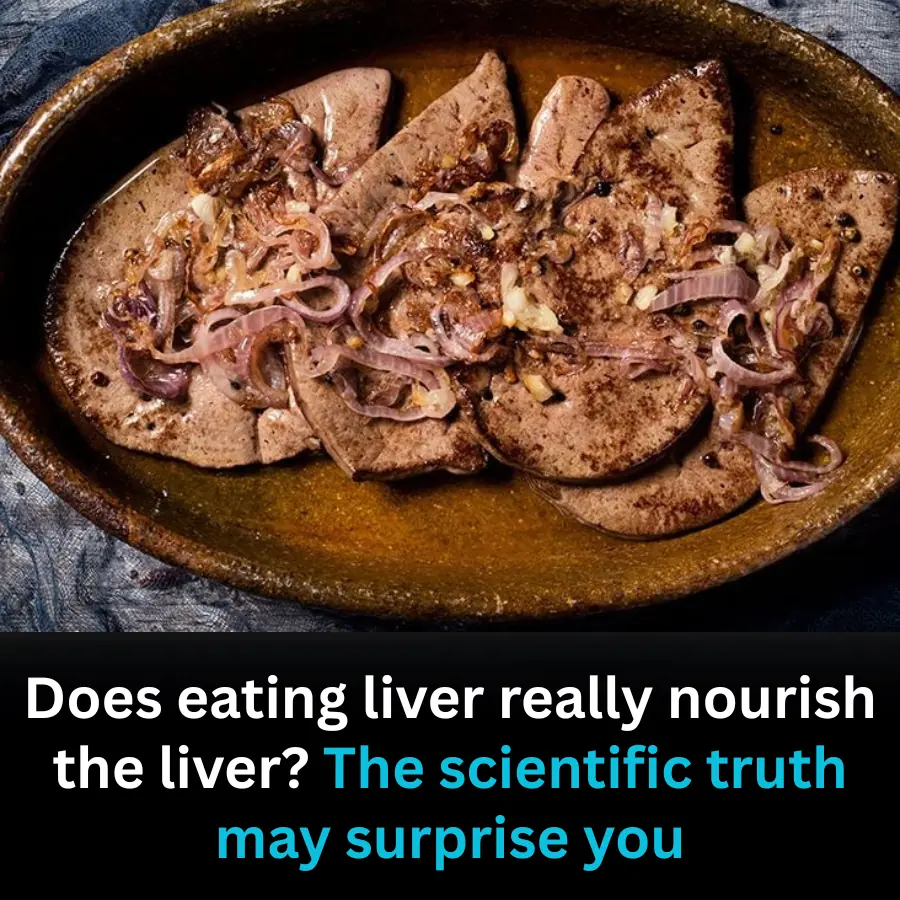
Why people believe liver is good for the liver
Animal liver is indeed one of the most nutrient-dense foods. It contains high levels of:
-
Vitamin A
-
Vitamin B12
-
Iron
-
Folate
-
Zinc
These nutrients are essential for blood production, immune function, and overall metabolism, which explains why liver is often recommended for people with anemia or fatigue.
But does it actually ‘nourish’ the liver?
Doctors emphasize that eating liver does not directly repair or strengthen your own liver. The liver is not like muscle tissue that grows stronger when you eat similar organs. Instead, liver health depends on how well it can detoxify, metabolize fats, and regulate blood sugar.
Potential risks of eating too much liver
Eating liver in excess may actually harm the liver, especially for certain people:
-
Excess vitamin A: Animal liver is extremely high in vitamin A. Chronic overconsumption can cause liver toxicity, headaches, bone pain, and even liver damage.
-
High cholesterol: Liver contains significant cholesterol, which may worsen fatty liver disease or cardiovascular risk if eaten frequently.
-
Purines: Liver is rich in purines, increasing the risk of gout and uric acid buildup.
Who should be cautious
Doctors advise the following groups to limit liver consumption:
-
People with fatty liver disease
-
Patients with hepatitis or cirrhosis
-
Individuals with high cholesterol or gout
-
Pregnant women (due to vitamin A toxicity risk)
So how should you eat liver safely?
-
Limit consumption to 1 small serving per week
-
Avoid frying; opt for boiling or steaming
-
Balance with vegetables and whole grains
-
Do not treat liver as a “health supplement”
What truly protects your liver
Experts agree that the best ways to maintain liver health are:
-
Limiting alcohol
-
Avoiding excessive sugar and ultra-processed foods
-
Maintaining a healthy weight
-
Getting enough sleep
-
Eating a balanced diet rich in vegetables, fruits, and lean protein
Conclusion
Eating liver can provide valuable nutrients, but it does not mean “eating liver nourishes the liver.” When consumed excessively or incorrectly, it may do more harm than good. Moderation and balance remain the key to liver health.