Your fingernails may seem like a small and purely cosmetic detail, but they can quietly reflect what is happening inside your body. Because nails grow slowly and continuously, changes in their color, texture, shape, or strength can signal nutritional deficiencies, circulation problems, infections, or even chronic illness. In many cases, nails reveal health issues before other symptoms appear.
While nail changes do not automatically mean disease, persistent or unexplained differences should never be ignored. Below are nine important nail signs that may offer valuable clues about your overall health and when you should consider seeking medical advice.
1. Pale or White Nails
If your nails appear unusually pale or white, it may indicate reduced blood flow or low oxygen levels.
Possible underlying causes include:
-
Anemia (low iron levels)
-
Liver disease
-
Heart conditions
-
Malnutrition
In some cases, pale nails may be accompanied by fatigue, dizziness, or shortness of breath. If this discoloration persists, blood tests may be necessary to determine the cause.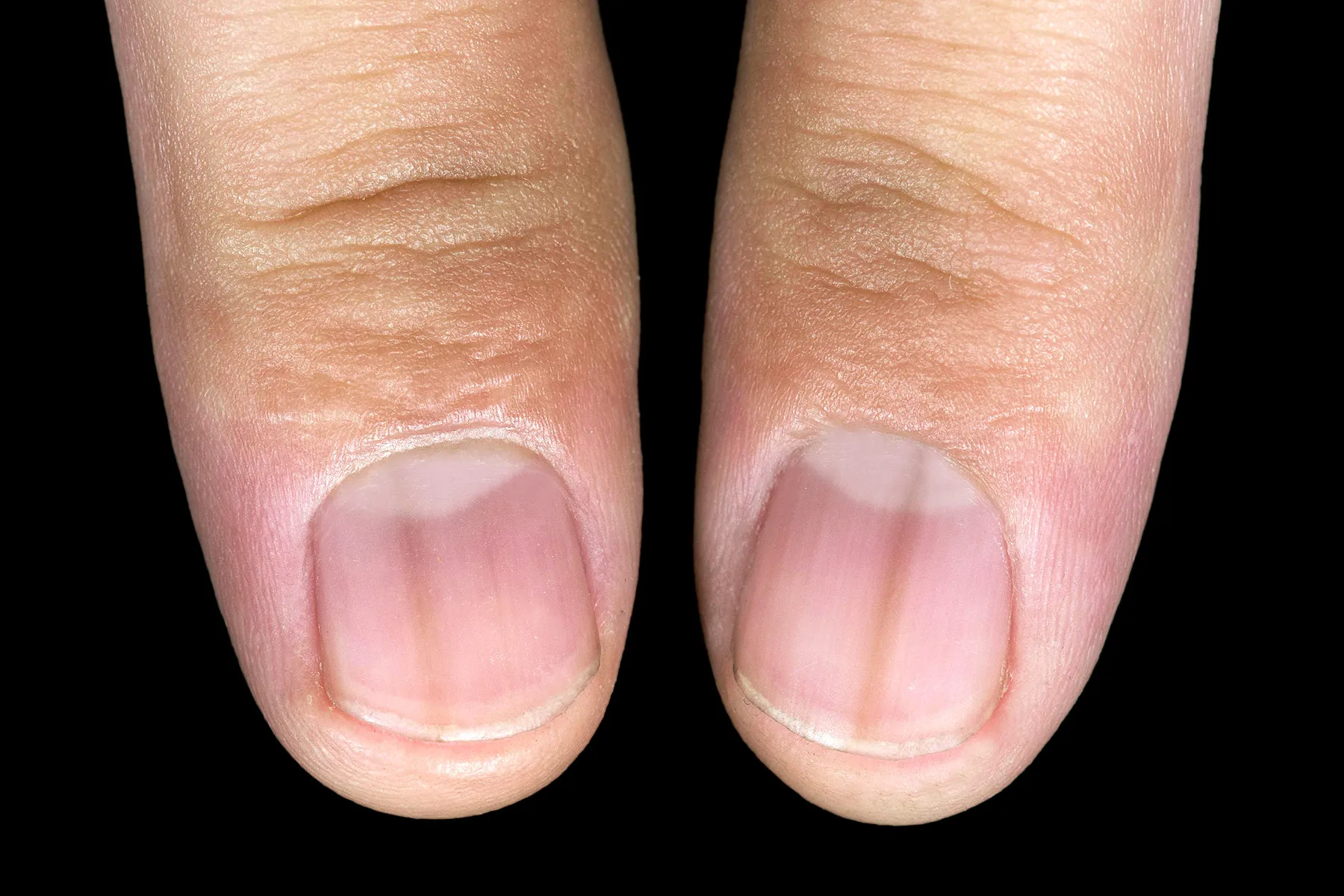
2. Yellow Nails
Yellowing nails are often dismissed as a cosmetic issue, but they can signal deeper problems.
Common causes include:
-
Fungal infections
-
Chronic lung conditions
-
Diabetes
-
Thyroid disorders
Thickened, brittle, or slow-growing yellow nails may also point to yellow nail syndrome, a rare condition associated with respiratory and lymphatic issues.
3. Blue or Purple Nails
A bluish or purplish tint to the nails suggests that your body may not be getting enough oxygen.
This may be linked to:
-
Heart or lung disease
-
Circulatory problems
-
Cold exposure or Raynaud’s phenomenon
If nail discoloration does not improve when hands are warmed or relaxed, medical evaluation is important.
4. Brittle or Cracking Nails
Nails that split, peel, or break easily can reflect nutritional or hormonal imbalances.
Common causes include:
-
Iron deficiency
-
Low biotin levels
-
Hypothyroidism
-
Dehydration
-
Frequent exposure to chemicals or water
While environmental factors can contribute, chronic brittleness often indicates an internal issue that deserves attention.
5. Dark Lines or Spots Under the Nail
Dark streaks or spots beneath the nail should never be ignored, especially if they appear suddenly or grow over time.
Possible explanations:
-
Bruising or trauma
-
Infection
-
Melanoma (a serious form of skin cancer)
Any unexplained dark discoloration under the nail - particularly without injury - requires immediate medical evaluation.
6. Clubbing (Rounded, Bulging Nails)
Clubbing occurs when the nail beds soften and the tips of the fingers become rounded or swollen.
This change is commonly associated with:
-
Chronic lung disease
-
Heart disease
-
Digestive disorders
-
Certain cancers
Clubbing develops gradually and is often painless, which is why it can go unnoticed until advanced stages.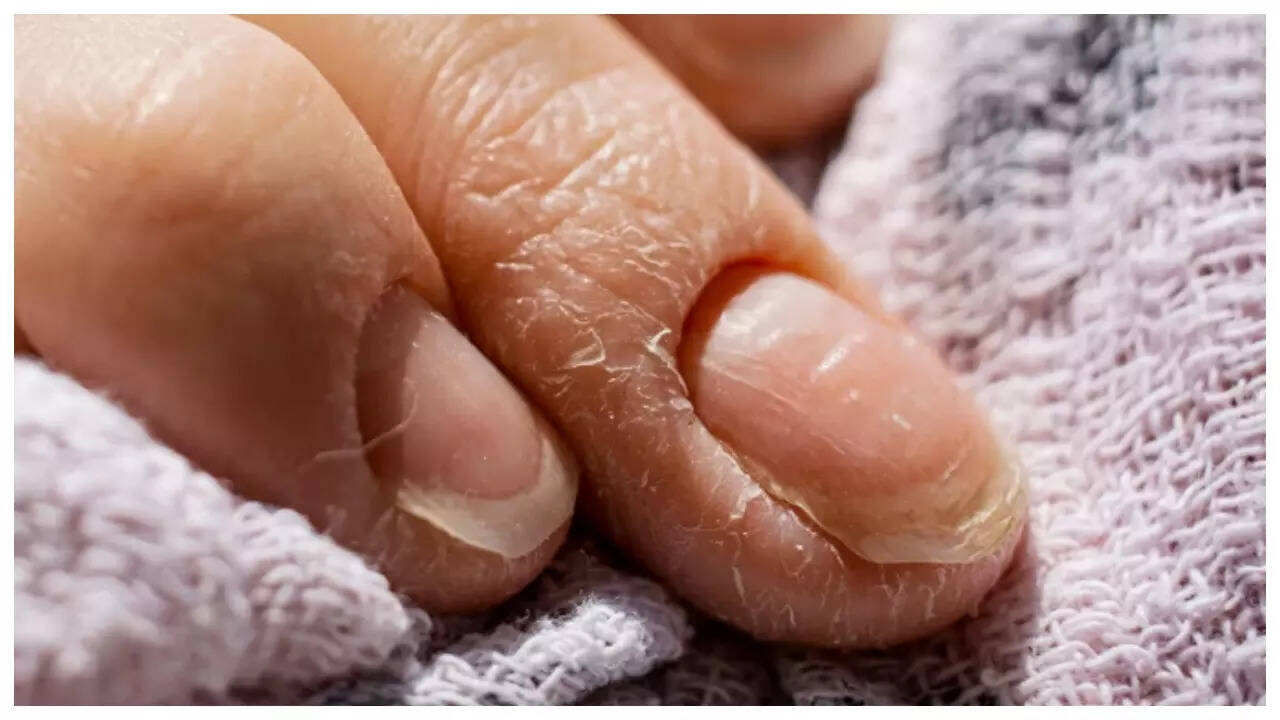
7. Spoon-Shaped Nails (Koilonychia)
Nails that curve upward like a spoon rather than arching normally can indicate iron deficiency anemia.
Other associated conditions include:
-
Hemochromatosis
-
Heart disease
-
Hypothyroidism
This sign is especially important in children, women, and individuals with dietary restrictions.
8. White Spots or Lines
Small white spots are usually harmless and often caused by minor trauma. However, recurring or widespread white markings may point to:
-
Zinc deficiency
-
Calcium imbalance
-
Protein deficiency
-
Allergic reactions
If white spots persist despite adequate nutrition, further evaluation may be needed.
9. Deep Horizontal Grooves (Beau’s Lines)
Beau’s lines appear as deep horizontal indentations across the nail.
They may indicate:
-
Severe illness or infection
-
High fever
-
Major physical or emotional stress
-
Uncontrolled diabetes
-
Chemotherapy or medication effects
Because nails grow slowly, these lines can provide a timeline of past health events.
When to Be Concerned
Occasional nail changes can occur due to aging, environmental exposure, or minor injuries. However, you should seek medical advice if nail changes are:
-
Persistent
-
Worsening over time
-
Affecting multiple nails
-
Accompanied by other symptoms such as fatigue, pain, or weight changes
Early evaluation can prevent more serious complications.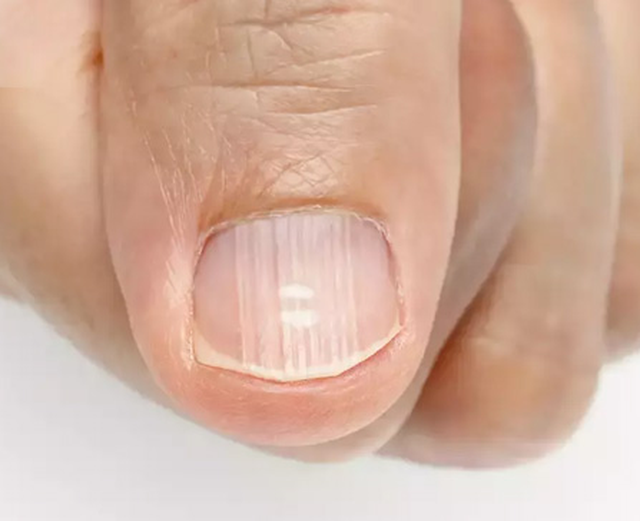
How to Support Nail Health Naturally
Healthy nails reflect a healthy body. To support nail strength and appearance:
-
Eat a balanced diet rich in protein, iron, zinc, and vitamins
-
Stay hydrated
-
Avoid excessive use of harsh nail products
-
Protect nails from trauma and prolonged moisture
-
Manage chronic conditions under medical guidance
Final Thoughts
Your fingernails are more than just a cosmetic feature - they are a subtle health report written by your body. Paying attention to changes in color, shape, and texture can help you detect potential health concerns early, when they are most treatable.
Listening to these small signals doesn’t mean assuming the worst. It means staying informed, aware, and proactive about your health - one fingertip at a time.