Lemons are loved for their bright flavor, fresh aroma, and endless uses in cooking, cleaning, and wellness. But while most people squeeze the juice and toss the rest away, they often overlook one small detail with surprising potential: lemon seeds.
These tiny seeds are usually discarded without a second thought, yet they can be reused in creative, practical, and even beautiful ways. From gardening projects to natural beauty remedies and eco-friendly household uses, lemon seeds prove that even the smallest parts of nature can serve a purpose. With a little imagination, what once seemed like waste can become a valuable resource.
Below are 10 creative and useful ways to reuse lemon seeds at home, turning something ordinary into something unexpectedly special.
1. Grow Your Own Lemon Tree
One of the most rewarding ways to reuse lemon seeds is to grow your own lemon tree. While it requires patience, the process is both relaxing and educational. After removing the seeds from a lemon, rinse off any remaining pulp and allow them to dry slightly. Plant the seeds in a small pot filled with well-draining soil, water gently, and place the pot in a warm, sunny spot.
Although it may take several years before the tree produces fruit, watching it grow from seed to plant is a fulfilling experience. Even if it never bears lemons, it still makes a lovely decorative houseplant.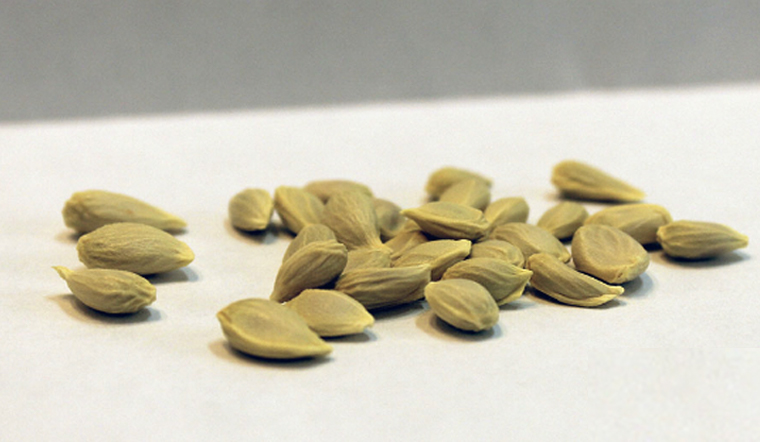
2. Infuse Lemon Seed Oil
Lemon seeds contain natural oils that can be infused into a carrier oil for a variety of uses. This homemade oil is valued for its antioxidant and antibacterial properties, making it useful for skincare, hair care, and light household cleaning.
To make it, crush clean, dry lemon seeds and place them in a small jar. Cover them with olive oil or coconut oil, seal the jar, and let it sit in a warm place for several days. Strain the oil before use. The result is a gently scented, natural oil with multiple applications.
3. Create a Natural Skin Exfoliator
When dried and finely ground, lemon seeds can be turned into a gentle exfoliating powder. Mixed with ingredients like honey, yogurt, or aloe vera, they form a natural scrub that helps remove dead skin cells and refresh the skin.
This simple exfoliator can be used occasionally to leave the skin feeling smoother and more revitalized, without relying on harsh chemicals or microplastics found in many commercial products.
4. Brew Lemon Seed Tea
Lemon seeds can also be used to make a mild herbal tea. After rinsing the seeds, lightly crush them and steep them in hot water for several minutes. The resulting tea has a subtle citrus flavor and is traditionally believed to support digestion and overall balance.
While it should be consumed in moderation, lemon seed tea is a simple way to make use of seeds that would otherwise go to waste.
5. Use as a Natural Insect Repellent
The natural oils found in lemon seeds give off a scent that many insects dislike. Ground lemon seeds can be mixed with water to form a paste and applied around windowsills, doorways, or other areas where insects tend to gather.
This method offers an eco-friendly alternative to chemical repellents and adds a light citrus aroma to your living space.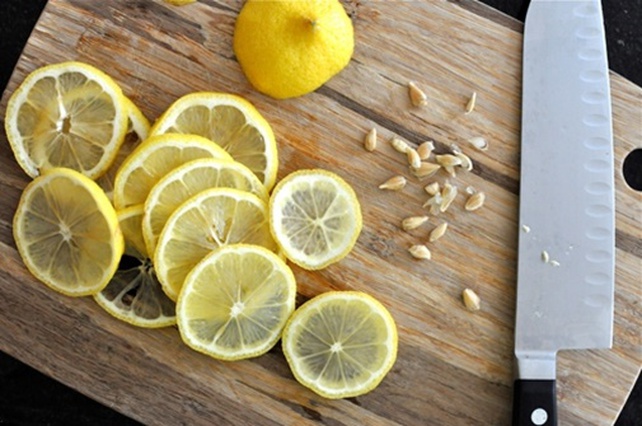
6. Craft Lemon Seed Jewelry
For those who enjoy handmade crafts, lemon seeds can be transformed into unique, nature-inspired jewelry. Once cleaned and thoroughly dried, the seeds can be painted, polished, or lightly carved.
Strung together, they can become necklaces, bracelets, or earrings with a rustic, organic charm. This creative reuse not only reduces waste but also results in one-of-a-kind accessories.
7. Make Lemon Seed Powder for Baking
Dried lemon seeds can be ground into a fine powder and added in small amounts to baked goods. When mixed into cakes, cookies, or muffins, the powder adds a subtle citrus note and contributes antioxidants found in the seeds.
Used sparingly, it can enhance flavor while adding a nutritional boost to homemade treats.
8. Use as a Natural Cleaning Scrub
Lemon seed powder can also be used as a gentle cleaning scrub. When combined with baking soda and a little water, it forms a paste that helps remove grime from sinks, countertops, and stovetops.
The natural oils in the seeds enhance cleaning power while leaving behind a fresh scent, making this a simple and sustainable household cleaner.
9. Make a DIY Lemon Seed Face Mask
Thanks to their antioxidant content, lemon seeds can be added to homemade face masks. Ground into a fine powder and mixed with yogurt or aloe vera gel, they create a soothing mask that may help brighten the skin and promote a refreshed appearance.
Applied for a short time and rinsed gently, this mask is a natural addition to a simple skincare routine.
10. Add to Compost for Your Garden
If you compost, lemon seeds are a great addition to your compost pile. Over time, they break down naturally and contribute nutrients to the soil. Their citrus properties may also help discourage certain pests in the garden.
Composting lemon seeds is an easy way to return nutrients back to the earth and close the loop on food waste.
Final Thoughts
Lemon seeds may be small, but their potential is surprisingly large. With a bit of creativity and care, they can be transformed into tools for gardening, beauty, cleaning, crafting, and sustainability. Instead of throwing them away, reusing lemon seeds invites a more thoughtful and resourceful approach to everyday life.
So the next time you slice or squeeze a lemon, pause before discarding the seeds. Those tiny leftovers might just be the beginning of something useful, meaningful, and unexpectedly rewarding.