What many people pull from their gardens without a second thought may actually be one of nature’s quiet gifts. Often labeled as a nuisance, Common mallow and related mallow species has followed humans for centuries, growing along roadsides, fields, and backyards. In traditional cultures, this so-called “weed” was never discarded. It was harvested, cooked, brewed, and trusted as a gentle ally for everyday health.
Modern interest in natural wellness has brought renewed attention to plants like mallow, not as miracle cures, but as supportive, nutrient-rich herbs that complement a balanced lifestyle.
Why Mallow Was Never Just a Weed
Mallow thrives where other plants struggle. Its resilience is one reason it spreads easily, earning its reputation as an unwanted plant. But that same resilience reflects a rich internal chemistry designed to protect and nourish living tissue.
Historically, mallow was valued in Europe, the Middle East, and parts of Asia as both food and medicine. Its leaves, stems, flowers, and even roots were used an early example of whole-plant utilization long before sustainability became a concept.
Key Nutrients and Compounds in Mallow
Mallow is especially known for its mucilage, a gel-like substance released when the plant is soaked or cooked. Alongside this, it contains:
-
Natural antioxidants
-
Vitamins A and C
-
Mild anti-inflammatory compounds
-
Minerals such as calcium and magnesium
-
Gentle fiber for digestion
These components explain why mallow has traditionally been associated with soothing and protective effects rather than aggressive treatment.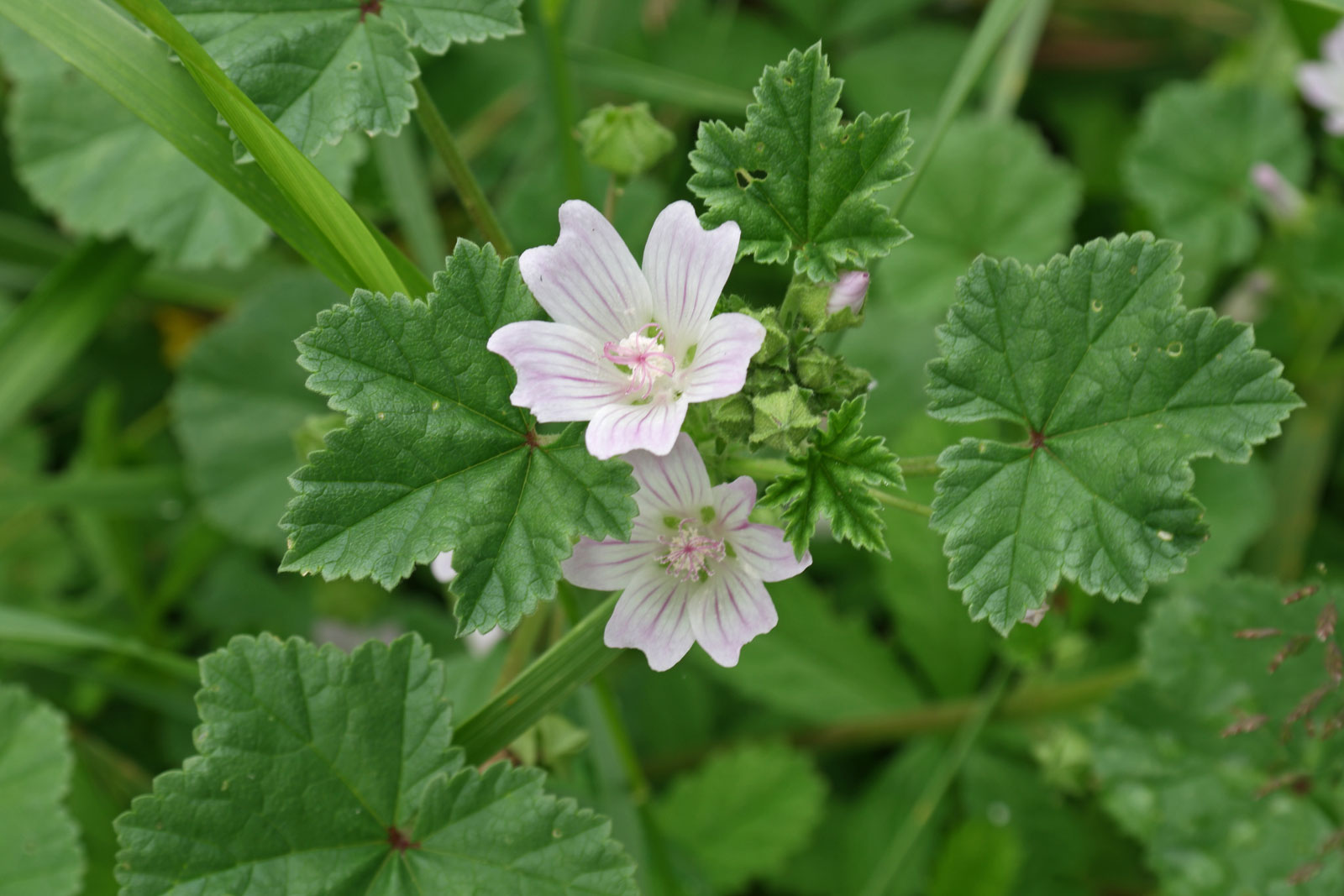
Traditional Health Uses of Mallow
1. Soothing the Digestive System
Mallow’s mucilage coats the digestive tract, which may help:
-
Ease stomach irritation
-
Reduce discomfort from mild gastritis
-
Support gentle bowel movement
For this reason, mallow teas and broths were often given to children, elders, and those recovering from illness.
2. Supporting Respiratory Comfort
In folk medicine, mallow was used for coughs, dry throats, and chest discomfort.
The plant’s softening properties may help:
-
Calm irritated throat tissue
-
Make coughs more productive
-
Support breathing comfort during seasonal changes
This is why mallow appears in many traditional herbal blends for the lungs.
3. Skin and External Care
Crushed mallow leaves or cooled infusions were applied externally to:
-
Soothe minor skin irritation
-
Calm redness and dryness
-
Support healing of small wounds
Its gentle nature made it suitable even for sensitive skin.
4. Mild Anti-Inflammatory Support
While not a replacement for medical treatment, mallow has traditionally been used to support the body’s natural inflammatory balance, particularly in joints and soft tissues.
Mallow as Food, Not Just Medicine
In many regions, mallow was simply part of the diet:
-
Leaves cooked like spinach
-
Added to soups and stews
-
Used to thicken broths naturally
-
Brewed into mild herbal teas
When cooked, the leaves become tender and slightly silky, providing nutrition without harshness.
What Mallow Can and Cannot Do
It is important to be clear and responsible.
Mallow does not cure cancer, lung disease, or serious medical conditions.
Claims suggesting it can “eliminate tumors” or “heal organs” are not supported by scientific evidence.
What mallow can do is:
-
Support comfort
-
Nourish gently
-
Complement healthy habits
-
Provide plant-based nutrients
In traditional medicine, its value lay in support and prevention, not dramatic intervention.

Why Plants Like Mallow Matter Today
Modern life often favors fast solutions and strong interventions. Plants like mallow remind us of a different approach—one based on consistency, gentleness, and long-term balance.
They also highlight an important truth:
Not everything valuable is cultivated on purpose. Some of the most useful plants grow freely, quietly, and abundantly—waiting to be recognized.
Safe Use and Precautions
-
Correct identification is essential before use
-
Harvest only from clean, chemical-free areas
-
Start with small amounts
-
Avoid if allergic to plants in the mallow family
-
Consult a healthcare professional for chronic or serious conditions
Final Thoughts
Calling mallow a “weed” says more about modern habits than about the plant itself. For generations, it was food, comfort, and care - woven into daily life rather than isolated as medicine.
In rediscovering plants like mallow, we are not uncovering magic. We are rediscovering relationship - with nature, tradition, and a slower understanding of health.
Sometimes, the most overlooked plants are the ones that have been quietly helping us all along.
