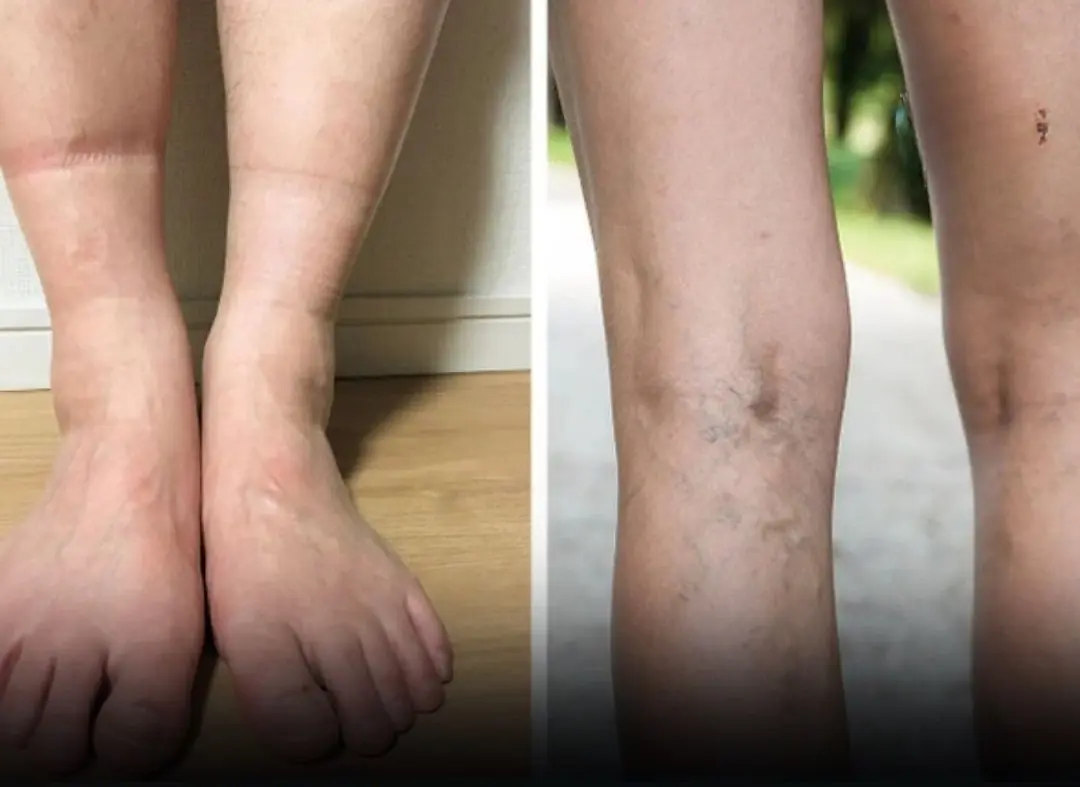
2. Heart-Related Issues
The heart plays a critical role in moving blood efficiently throughout the body. When the heart is not pumping effectively, fluid may pool in the lower extremities due to gravity.
Persistent sock marks combined with symptoms such as shortness of breath, rapid fatigue, or unexplained weight gain may point toward heart-related problems. Swelling in both feet is often more concerning than swelling in just one.
Doctors emphasize that early signs of heart strain are often subtle and easy to overlook. The feet may be one of the first places these changes become visible.
3. Kidney Function Problems
Healthy kidneys remove excess fluid and waste from the bloodstream. When kidney function declines, fluid can accumulate in tissues, particularly in the feet, ankles, and lower legs.
Sock marks that appear alongside frequent urination changes, fatigue, foamy urine, or facial puffiness may indicate that the kidneys are under stress. This type of swelling is often worse at the end of the day and may gradually progress.
Because kidney disease can develop silently for years, noticing changes in the feet may offer an early opportunity for diagnosis and intervention.
4. Thyroid Imbalance
Thyroid disorders, especially hypothyroidism, can slow down metabolism and affect how the body manages fluids. This may result in swelling of the feet and ankles, leading to deeper sock impressions.
People with thyroid imbalances may also notice cold sensitivity, dry skin, unexplained weight changes, or hair thinning. Swelling linked to thyroid issues often feels firm rather than soft and may not improve quickly with rest.
Sock marks alone do not confirm a thyroid condition, but when paired with other symptoms, they deserve attention.
Why Sock Marks Are Often Ignored
Sock marks feel normal because they are so common. Most people assume they are caused by tight socks or long days on their feet. The issue arises when these marks become deeper, more frequent, or longer-lasting.
The body often compensates quietly for internal imbalances, and visible signs may appear only after the problem has been developing for some time. Feet are particularly vulnerable because gravity naturally pulls fluid downward.
When Sock Marks Are Likely Harmless
Not all sock marks signal disease. They are usually harmless if:
-
They disappear quickly
-
There is no swelling or discomfort
-
They occur only after wearing tight socks
-
They do not happen consistently
Temporary swelling from heat, travel, or standing is common and usually resolves with rest and hydration.
When to Pay Attention
It may be time to seek medical advice if sock marks:
-
Appear daily or worsen over time
-
Are accompanied by swelling, pain, or skin tightness
-
Occur alongside fatigue, breathing difficulty, or urination changes
-
Affect both feet consistently
Early evaluation often involves simple tests and can prevent serious complications if an underlying condition is present.

a
The Bottom Line
Your feet can reveal more about your health than you might expect. Persistent sock marks are not just a cosmetic issue—they may be subtle signals of circulation, heart, kidney, or thyroid problems.
Paying attention to small changes gives the body a voice. When those signs repeat or intensify, listening early can make a meaningful difference in long-term health.