Don’t eat sweet potatoes until you know these 8 important facts
Health 22/12/2025 20:41
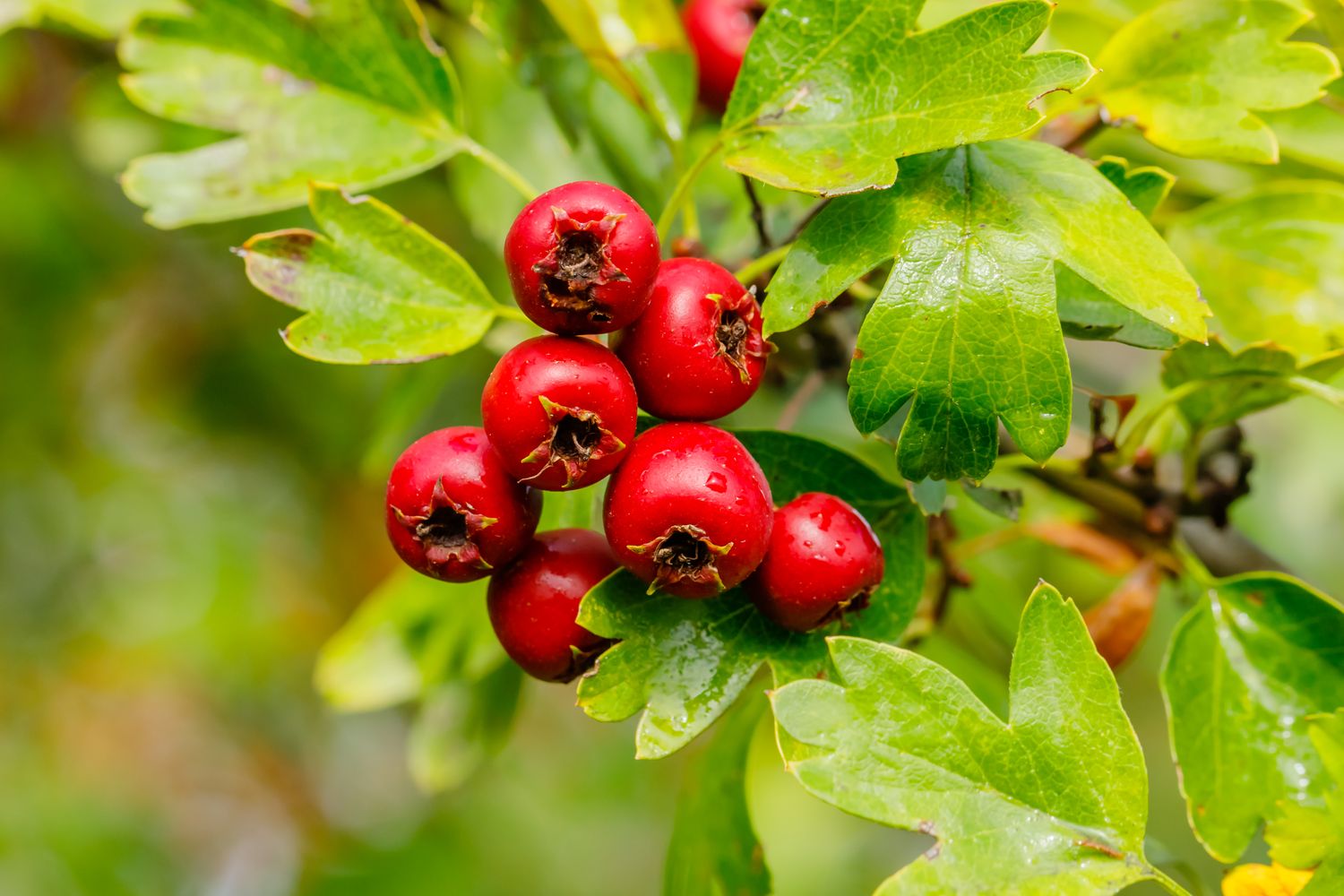
For centuries, people across Europe, Asia, and North America have turned to hawthorn, a plant from the Crataegus genus, as a trusted natural remedy for heart health. Long before modern cardiology existed, traditional healers recognized hawthorn’s ability to support circulation, strengthen the heart, and promote overall cardiovascular balance.
Today, science is beginning to confirm what traditional medicine has known for generations: hawthorn is more than folklore. It contains a unique combination of bioactive compounds that may help support heart function, manage cholesterol levels, and improve blood vessel health—making it one of the most respected herbs in natural cardiovascular care.
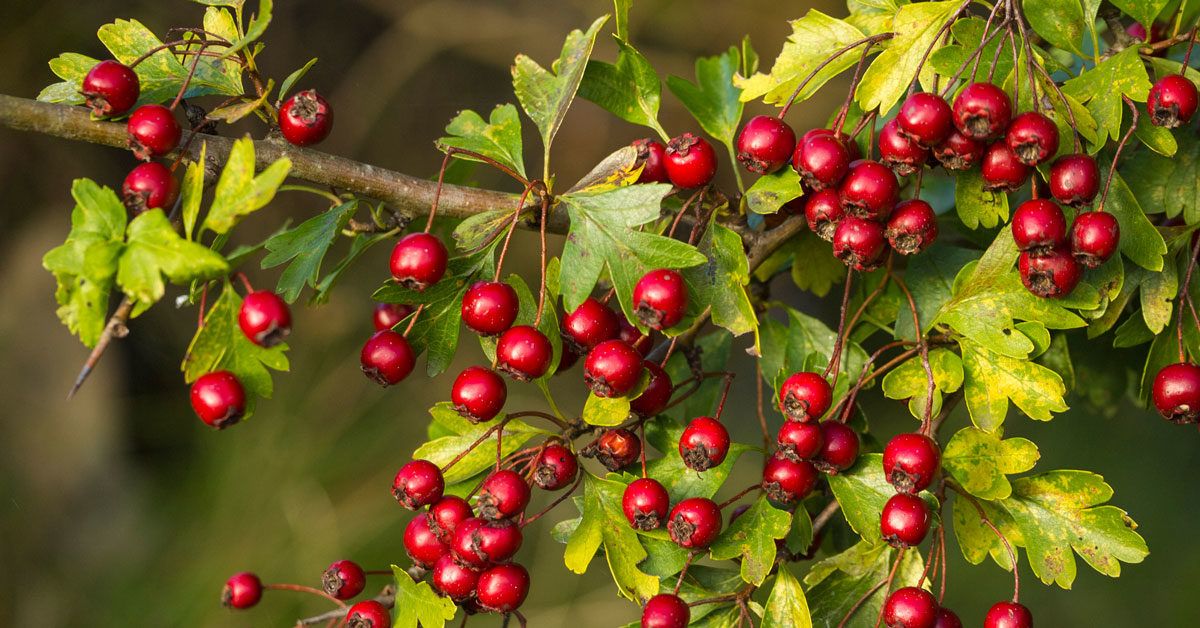
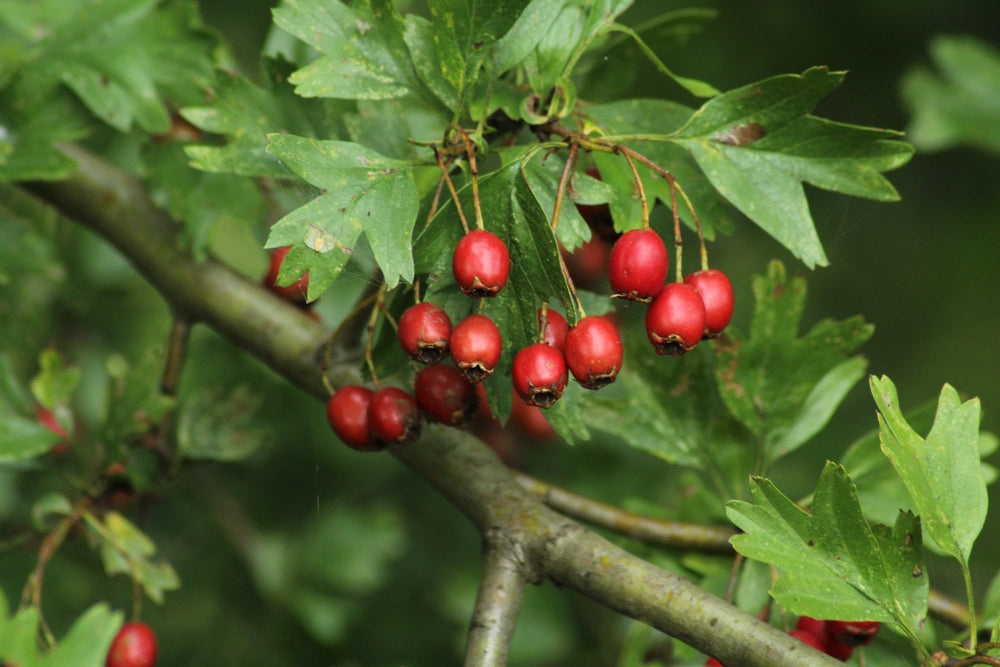
Hawthorn refers to a group of shrubs and small trees belonging to the Crataegus genus. The plant is easily recognized by its white or pink flowers, bright red berries, and thorny branches. While different species grow in different regions, their medicinal properties are remarkably similar.
The berries, leaves, and flowers are all used medicinally, often in teas, tinctures, capsules, or standardized extracts. Each part of the plant contributes beneficial compounds that work together to support heart health.
Hawthorn has one of the longest and most consistent histories of use in heart-related conditions:
In Traditional European medicine, hawthorn was prescribed for “weak heart,” palpitations, and poor circulation.
In Traditional Chinese Medicine, hawthorn berries were used to support blood flow and digestion, especially in conditions involving stagnation.
By the late 19th century, hawthorn became a staple in Western herbalism for managing early-stage heart disease.
What makes hawthorn unique is that it has traditionally been used not to force the heart to work harder, but to help it work more efficiently and calmly.
Hawthorn’s benefits come from a rich blend of naturally occurring compounds, including:
Flavonoids (such as quercetin and vitexin): powerful antioxidants that protect blood vessels and reduce inflammation
Oligomeric proanthocyanidins (OPCs): compounds that strengthen capillaries and improve circulation
Phenolic acids: help combat oxidative stress
Triterpenes: support heart muscle function
These compounds work synergistically, meaning their combined effect is greater than any single component alone.
Hawthorn helps dilate blood vessels, allowing blood to flow more easily throughout the body. This reduces resistance in the arteries and decreases the workload placed on the heart.
Better circulation means:
Improved oxygen delivery to tissues
Reduced strain on the heart muscle
Better tolerance for physical activity
By improving vessel elasticity and promoting gentle vasodilation, hawthorn may help maintain healthy blood pressure levels. Unlike strong pharmaceutical drugs, hawthorn works gradually and gently, making it especially suitable for long-term cardiovascular support under professional guidance.
Research suggests that hawthorn can enhance the heart’s pumping efficiency by improving calcium utilization within heart cells. This may help the heart contract more effectively without increasing heart rate excessively.
This effect is particularly valuable for people experiencing:
Mild heart weakness
Fatigue related to circulation issues
Early-stage heart function decline
One of the most promising modern uses of hawthorn is its potential role in cholesterol balance.
Antioxidants in hawthorn help prevent oxidation of LDL (“bad”) cholesterol, a key factor in plaque formation
Improved liver function may support healthier lipid metabolism
Better circulation reduces stress on blood vessel walls
Several studies suggest that hawthorn extracts may help lower total cholesterol and triglyceride levels when combined with a healthy diet and lifestyle.
Chronic inflammation and oxidative stress are major contributors to heart disease and arterial damage. Hawthorn’s high antioxidant content helps neutralize free radicals, protecting both the heart muscle and blood vessels.
This protective effect may:
Slow the progression of atherosclerosis
Support long-term cardiovascular resilience
Reduce cellular damage associated with aging
An often-overlooked benefit of hawthorn is its gentle calming effect on the nervous system. Traditionally, it has been used for people whose heart symptoms worsen with stress, anxiety, or emotional strain.
Hawthorn may help:
Ease stress-related palpitations
Promote emotional balance
Support restful sleep in heart-sensitive individuals
This mind–heart connection is one reason hawthorn is sometimes called a “heart tonic” in both physical and emotional terms.

Hawthorn is available in several forms:
Tea (from leaves, flowers, or berries)
Tinctures (alcohol or glycerin extracts)
Capsules or tablets (often standardized extracts)
Standardized extracts are commonly used in clinical studies because they ensure consistent levels of active compounds.
Hawthorn is typically taken over weeks or months, as its benefits build gradually rather than providing instant effects.
Hawthorn is generally considered safe for most people when used appropriately. However, because it directly affects heart function, it should be used cautiously in certain situations.
Important considerations:
People taking heart medications, blood pressure drugs, or digoxin should consult a healthcare provider before using hawthorn
Not recommended for self-treatment of serious heart conditions
Effects are gradual, not immediate - patience is important
Hawthorn should be viewed as supportive care, not a replacement for medical treatment.
Hawthorn works best as part of a broader heart-healthy lifestyle that includes:
Balanced nutrition
Regular physical activity
Stress management
Adequate sleep
Medical supervision when needed
When combined with these habits, hawthorn may serve as a powerful natural ally in maintaining long-term cardiovascular health.
Hawthorn (Crataegus) stands out among medicinal plants for its deep connection to the heart—both historically and scientifically. With its ability to support circulation, strengthen heart function, help manage cholesterol, and protect blood vessels, it remains one of nature’s most respected cardiovascular allies.
While it is not a miracle cure, hawthorn offers something rare: gentle, comprehensive support for one of the body’s most vital systems. Used wisely and consistently, it represents a bridge between traditional wisdom and modern heart health care.
Sometimes, the strongest support comes not from force but from balance.