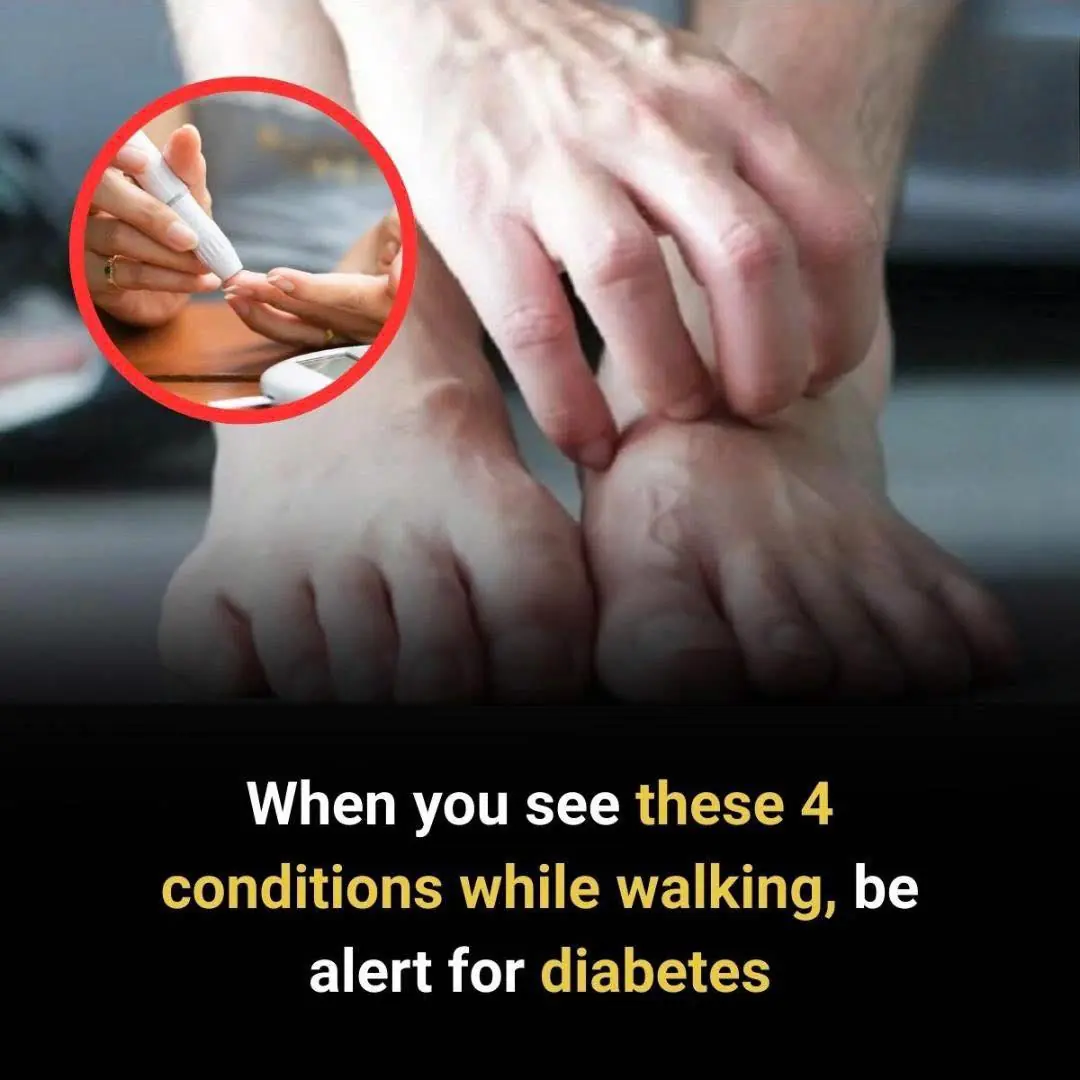
For example, if you have these 4 conditions when walking, be alert for diabetes:
1. Excessive fatigue when walking
Normally, walking is an activity that helps the body relax and increase endurance, but if you feel tired and exhausted quickly after just a few short steps, this could be a sign of a sudden increase or decrease in blood sugar.
When blood sugar is unstable, the cells in the body will not be provided with enough energy to function, leading to a decrease in endurance and prolonged fatigue.
To overcome this condition, you should see a doctor for blood sugar tests and advice on a suitable diet.
Adjusting healthy eating habits, controlling blood sugar through a low-sugar diet and increasing fiber will help the body balance energy and improve fatigue when walking.
2. Numbness or Cramping in the Legs
If you frequently experience numbness, tingling, or cramps in your legs when walking, this could be a sign of diabetic neuropathy.
High blood sugar levels over a long period of time can damage peripheral nerves, making it difficult for nerve signals to reach muscles and skin. This makes the patient susceptible to cramps, pain, or loss of sensation when walking.
If this condition is not controlled promptly, it can progress to leg ulcers or infections, increasing the risk of amputation. To improve this condition, patients need to maintain a healthy diet, control their weight, and exercise gently to increase blood circulation.
Doctors may prescribe medications to treat nerve damage or encourage patients to take B vitamins to improve nerve function.
3. Persistent muscle pain
If you experience persistent muscle pain after walking, even if the intensity of exercise is not high, this could be a sign that your body is having difficulty converting glucose into energy.
In this case, your doctor may order a fasting blood sugar test or an HbA1c test to determine your diabetes status.
Good control of blood sugar through a healthy diet and regular exercise will help improve muscle pain during exercise.
4. Slow-healing foot injuries
If after walking, you find small scratches or blisters on your feet that take a long time to heal, this could be a sign of poor blood circulation due to diabetes.
High blood sugar damages small blood vessels, reducing the body's ability to heal. In particular, when nerve damage is accompanied by poor blood circulation, the risk of infection and gangrene in the feet increases.
Doctors often recommend that diabetic patients check their feet regularly, avoid foot abrasions, and maintain a thorough foot care regimen.
At the same time, good blood sugar control through medication, diet, and exercise will help improve wound healing.
Unusual signs when walking such as excessive fatigue, numbness in the limbs, muscle aches, or slow-healing wounds can be early warning signs of diabetes that you should not ignore.
Early detection and timely treatment will help control diabetes effectively, reducing the risk of dangerous complications.
Therefore, when experiencing the above signs, you should proactively see a doctor, perform the necessary tests, and adjust your lifestyle to protect your long-term health.