8 Signs You Have Low Blo:od Oxygen Levels
Health 22/12/2025 13:19
Australia discovers a “switch” that helps can.cer cells evade the immune system
Australian scientists have just made an important discovery about how cancer cells survive.
Specifically, they have identified a key molecular mechanism that allows cancer cells to evade attacks from the immune system, helping to explain why immunotherapy—one of the most advanced treatment approaches today—still fails to achieve optimal results in many cases.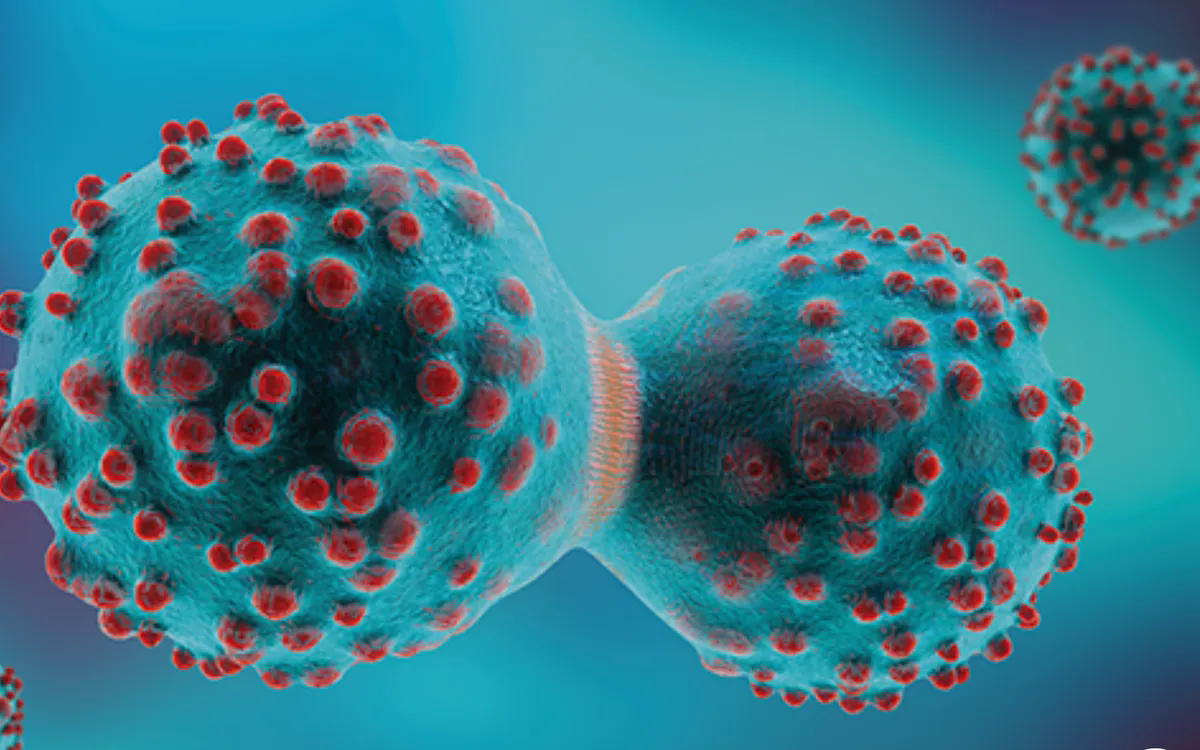
According to information released on December 20 by the Olivia Newton-John Cancer Research Institute (ONJCRI), the research team identified the gene TAK1 as acting like a “safety switch” that protects cancer cells from powerful killing signals sent by CD8⁺ T cells, the immune system’s primary “killer” cells.
The study, conducted by ONJCRI in collaboration with the Walter and Eliza Hall Institute of Medical Research (WEHI), was published in the prestigious scientific journal Cell Reports. The scientists carried out large-scale genetic screening to identify genes that help cancer cells survive immune attacks. The results showed that TAK1 is a key factor enabling tumors to effectively “withstand” immune pressure.
Dr. Anne Huber, a postdoctoral researcher at ONJCRI, said: “Previously, TAK1 was known for its role in promoting cancer cell survival and preventing cell death. However, we did not know that cancer also uses this mechanism to evade the immune system.”
When the research team used CRISPR gene-editing technology to disable TAK1 in preclinical models, tumor growth was significantly impaired. This indicates that the immune system can better control and eliminate cancer cells when this “safety switch” is turned off.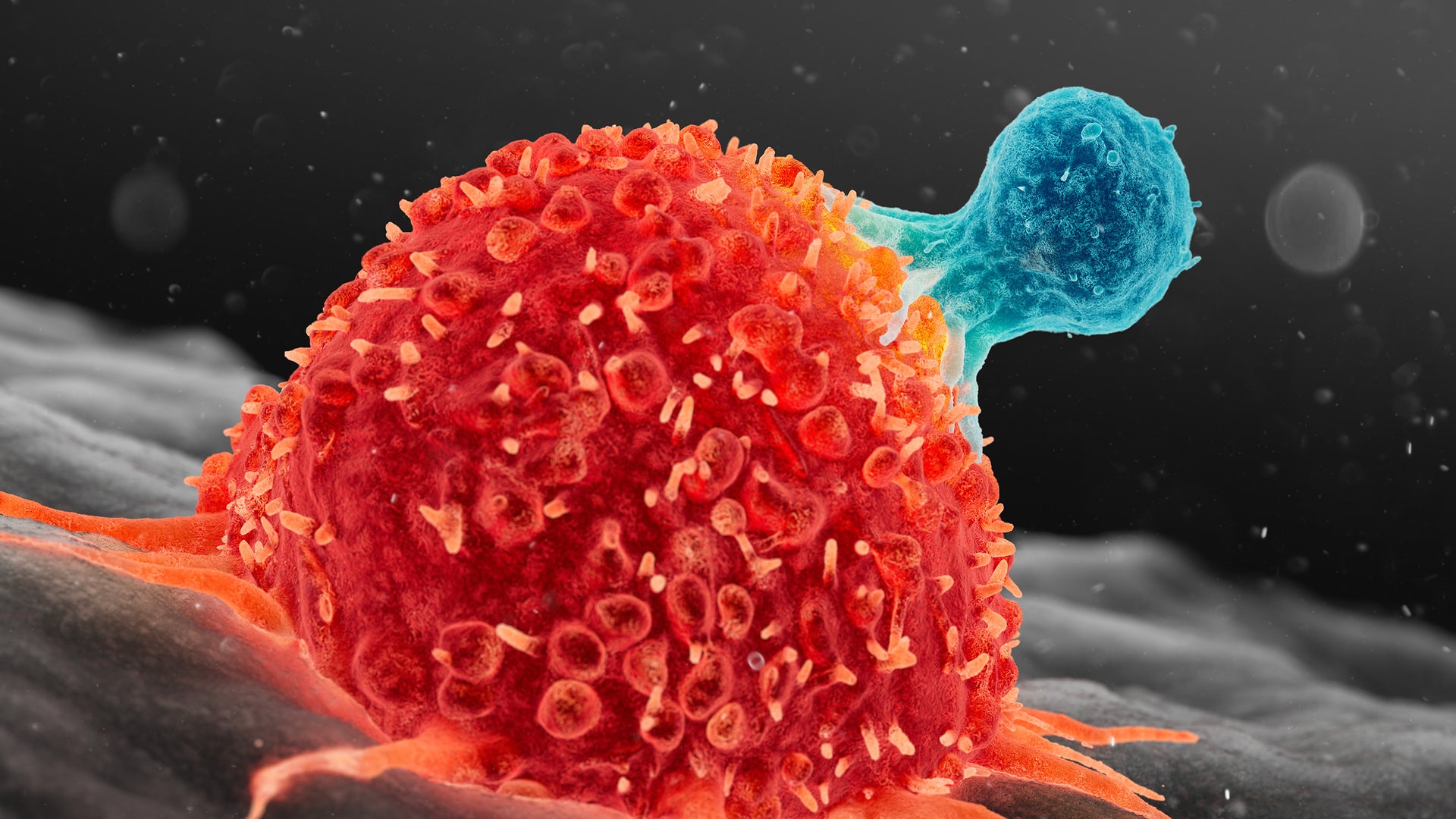
According to Dr. Huber, inhibiting TAK1 causes cancer cells to lose the protein cFLIP, a crucial factor that prevents programmed cell death. As a result, attack signals from CD8⁺ T cells can trigger self-destruction pathways in cancer cells, making them especially vulnerable to immune responses.
Sharing the same view, Dr. Tirta Djajawi, a researcher at ONJCRI, compared TAK1 to a “shock absorber” that helps cancer cells withstand the strongest immune assaults. “If TAK1 is removed, the tumor will collapse under immune pressure,” he said.
The study was conducted across several types of cancer, with a primary focus on melanoma, a disease commonly treated with immunotherapy. Statistics show that each year there are approximately 330,000 new melanoma cases worldwide, with about 60,000 deaths.
The researchers hope that in the future, combining TAK1 inhibitors with existing immunotherapies could open up more effective treatment strategies, enabling the immune system to eliminate cancer more thoroughly and significantly improving patients’ chances of survival.
(Source: The West Australian)